EN
EN



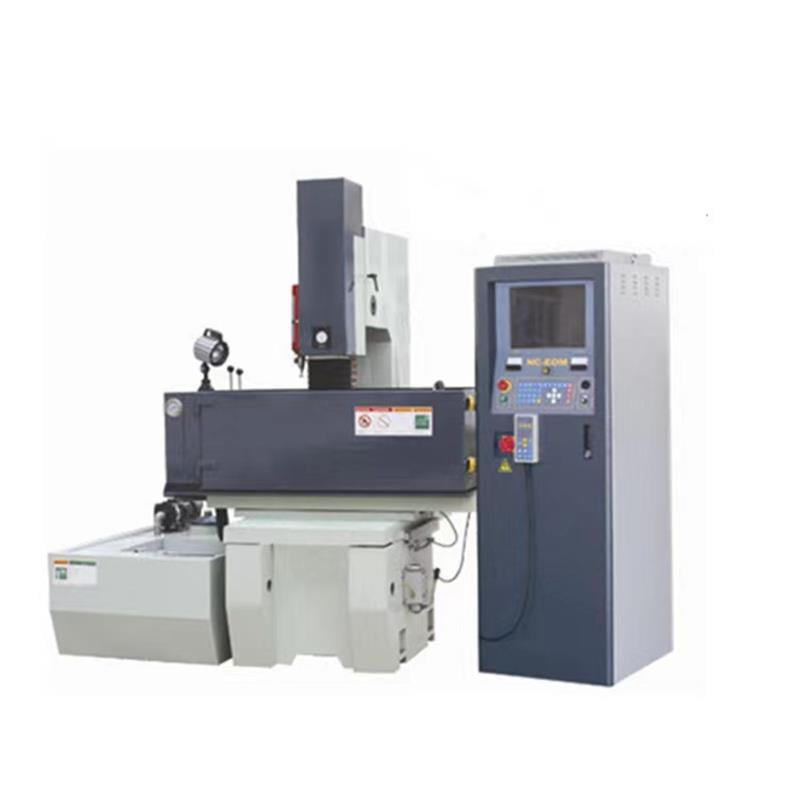
EDM drilling has become one of the most transformative processes in modern tool and mold production. By using controlled electrical discharges to erode material with extreme precision, EDM drilling enables manufacturers to achieve features that conventional machining simply cannot deliver. Whether the goal is a micro-hole in hardened steel or a deep flushing channel in a complex mold cavity, EDM drilling addresses these challenges with consistency and accuracy that define high-quality industrial output.
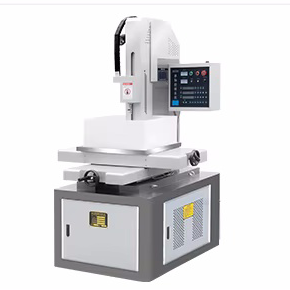
Understanding how EDM drilling enhances tool and mold production requires a closer look at both the process mechanics and the specific demands of the toolmaking industry. Mold makers and tool engineers deal with hardened materials, tight tolerances, and complex geometries on a daily basis. EDM drilling fits naturally into this environment because it operates without mechanical cutting force, preserving material integrity while opening new possibilities in design and function.
The Core Mechanism Behind EDM Drilling
How the Electrical Discharge Process Works
EDM drilling works by generating rapid electrical sparks between a rotating tubular electrode and the workpiece surface. These sparks vaporize tiny amounts of material in a controlled manner, gradually forming a precise hole. The electrode does not physically contact the workpiece, which means there is no mechanical stress transferred to the part. This non-contact nature of EDM drilling is what makes it so suitable for fragile components or materials that would otherwise deform or crack under conventional drill pressure.
Dielectric fluid, typically deionized water, flows through the center of the electrode during EDM drilling. This fluid performs two critical functions: it flushes away the eroded particles and cools the work zone. The combination of precise spark control and effective flushing allows EDM drilling to maintain dimensional accuracy even in deep-hole applications where chip evacuation is traditionally difficult. In tool and mold production, this directly translates to cleaner, more reliable hole geometries.
Material Compatibility in Tool and Mold Work
One of the most significant advantages of EDM drilling in tool and mold production is its compatibility with hardened materials. Tool steels, carbide inserts, and heat-treated mold bases are all workable with EDM drilling without requiring any pre-softening or post-processing to restore hardness. This is particularly valuable when mold components must be drilled after final heat treatment, preserving the structural properties that toolmakers worked hard to achieve. EDM drilling removes the need to schedule drilling before hardening, streamlining the overall production sequence.
Practical Applications in Mold and Tool Manufacture
Cooling Channel and Ejector Pin Hole Creation
In injection mold production, cooling channels are essential for controlling cycle times and part quality. EDM drilling is widely used to create these deep, narrow channels in complex mold plates where conventional drills cannot reach or maintain straightness. The ability of EDM drilling to produce straight, small-diameter holes at significant depth ratios gives mold designers far more flexibility in placing cooling lines exactly where thermal management is most needed. This contributes directly to shorter cycle times and improved surface quality in the molded parts.
Ejector pin holes represent another high-frequency application of EDM drilling in mold manufacturing. These holes must align precisely with part geometry and hold tight tolerances for reliable ejection without flash or deformation. EDM drilling delivers the positional accuracy and surface finish quality required for these holes, even in mold plates that have already been hardened and finished. The result is a more efficient mold assembly process with less rework or manual fitting.
Small-Hole Drilling for Wire EDM Start Points
EDM drilling is also the preferred method for creating the start holes required in wire EDM operations. Wire EDM machines need a pre-drilled hole through which the wire electrode can be threaded before cutting begins. Conventional drilling can damage hardened workpieces or produce entry holes that are too rough or off-position. EDM drilling produces clean, accurate entry holes in fully hardened tool steel without affecting the surrounding material, making it an ideal preparatory step before wire EDM contouring. This integration between EDM drilling and wire EDM significantly improves workflow efficiency in precision toolrooms.
How EDM Drilling Improves Production Quality and Efficiency
Precision and Repeatability in High-Volume Tool Production
EDM drilling offers outstanding repeatability, which is critical when producing multiple identical mold components or tool inserts. CNC-controlled EDM drilling machines can store programs for specific hole patterns and execute them with minimal operator intervention, reducing setup time and human error. For toolrooms that produce families of molds with standardized components, EDM drilling enables consistent quality across every part in the batch. This level of process control reduces scrap rates and supports tighter quality standards across production runs.
The EDM drilling machine also supports multi-axis positioning, allowing hole creation at compound angles that would be impossible or impractical with conventional drilling setups. This expands the design freedom available to mold engineers, who can optimize hole placement for function rather than being constrained by machine access limitations. In high-performance injection molds or die casting tools, this freedom makes a measurable difference in product performance.
Reducing Dependency on Secondary Operations
EDM drilling reduces the need for secondary finishing operations that are often required after conventional drilling in hardened materials. Because EDM drilling produces smooth, burr-free holes with accurate diameters, many tool and mold components require no additional reaming or deburring after the EDM drilling process is complete. This reduces total processing time per component and lowers labor costs associated with manual finishing steps. In a competitive toolmaking environment, these time savings accumulate into meaningful productivity gains and shorter mold delivery schedules.
Furthermore, EDM drilling supports the production of non-standard hole geometries, including very small diameters below 0.3 mm and high aspect ratio holes where depth significantly exceeds diameter. These capabilities are rarely achievable with conventional drilling without risking tool breakage or positional deviation. EDM drilling handles such requirements routinely, making it a reliable process for advanced mold applications where standard methods fall short.
FAQ
What materials can be processed with EDM drilling in mold production?
EDM drilling is effective on any electrically conductive material, including hardened tool steel, stainless steel, carbide, titanium, and copper alloys. This broad material compatibility makes EDM drilling especially valuable in mold production, where hardened and specialty materials are standard.
How small can holes be when using EDM drilling for tool components?
EDM drilling can produce holes as small as 0.1 mm in diameter, depending on the machine and electrode specifications. This makes EDM drilling suitable for micro-hole applications in precision mold inserts, fuel system components, and medical tooling where fine features are required.
Is EDM drilling suitable for deep holes in injection mold plates?
Yes, EDM drilling is one of the best methods for deep-hole applications in injection mold plates. The continuous flushing action and controlled spark erosion allow EDM drilling to maintain straightness and diameter consistency at depths that far exceed what conventional drills can achieve reliably.