EN
EN



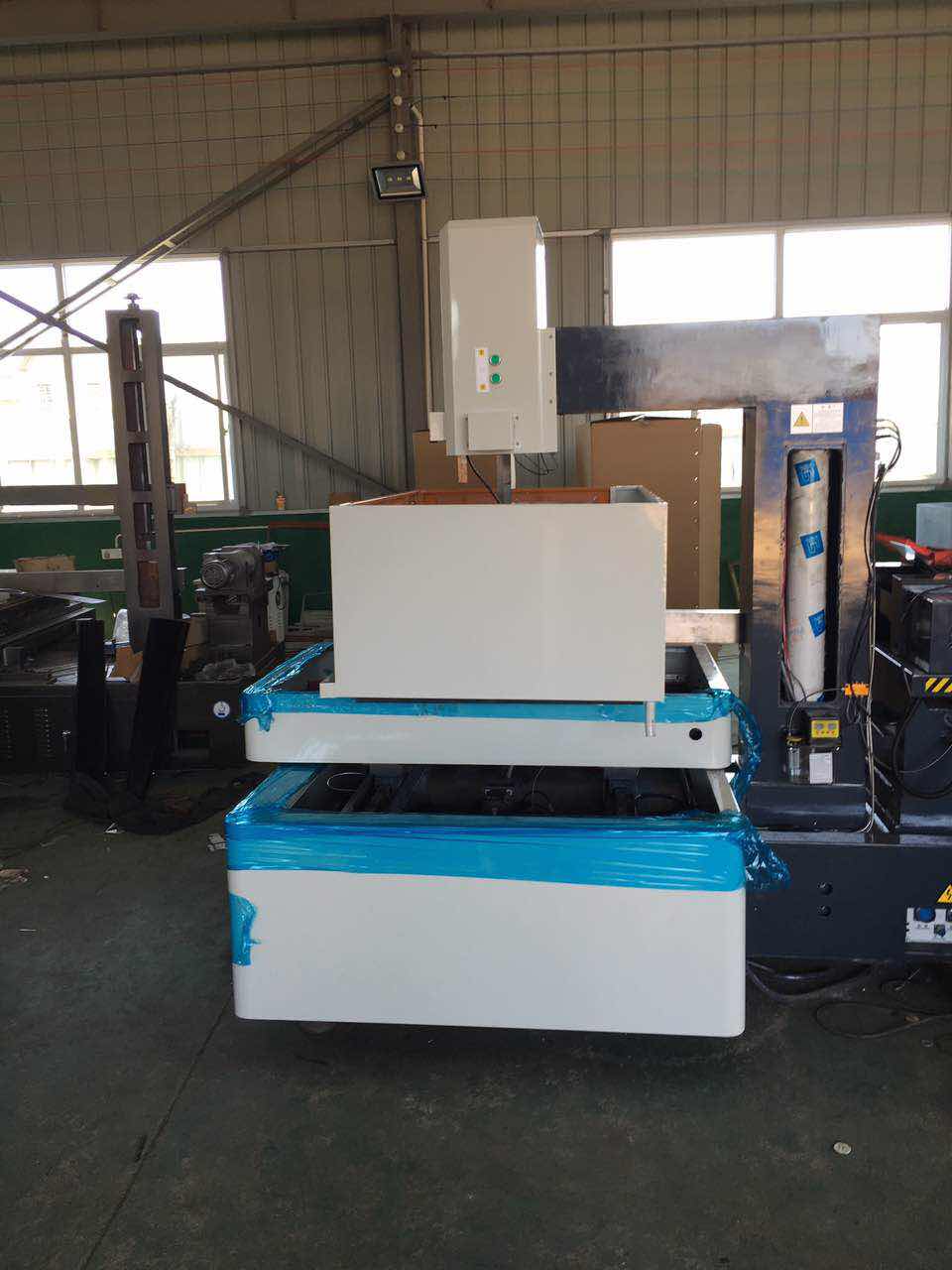
Selecting the right EDM drilling machine is one of the most consequential decisions a manufacturer or tooling engineer can make. The wrong choice leads to poor hole quality, slow cycle times, and elevated operating costs. The right EDM drilling machine, on the other hand, delivers precise, repeatable micro-holes in hardened materials that no conventional drill can touch. Whether you are processing turbine blades, injection molds, or precision dies, understanding what separates one EDM drilling machine from another is essential before you commit to a purchase.
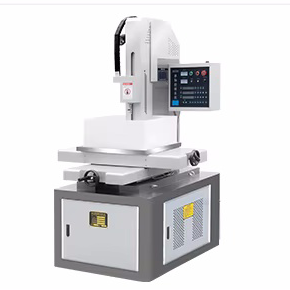
An EDM drilling machine uses electrical discharge to erode material with a rotating tubular electrode, enabling it to drill extremely small, deep holes in conductive workpieces regardless of material hardness. Because the process is non-contact, there is no mechanical cutting force, which makes an EDM drilling machine particularly suitable for fragile, thin-walled, or complex-geometry parts. This guide walks through the critical selection factors so you can match the right EDM drilling machine model to your specific production requirements with confidence.
Key Technical Specifications to Evaluate
Drilling Diameter and Depth Capacity
The first parameter to examine when choosing an EDM drilling machine is the range of electrode diameters it can accommodate. Most EDM drilling machine models support electrode diameters from 0.1 mm up to 3.0 mm, but the sweet spot for a given model may be narrower. If your application demands consistently drilling at 0.3 mm, confirm that the EDM drilling machine is optimized for that diameter range rather than simply capable of it at reduced efficiency. Drilling depth-to-diameter ratio is equally important. A high-performance EDM drilling machine should maintain stable arcing even in deep holes where flushing becomes difficult. Look for models with a rotating electrode spindle and a dedicated flushing pressure system, as these features are what allow an EDM drilling machine to achieve depth ratios of 100:1 or greater reliably.
Generator Power and Pulse Control
The generator is the heart of any EDM drilling machine. Pulse-on time, pulse-off time, and peak current directly determine how fast the EDM drilling machine removes material and how clean the resulting hole finish is. A modern EDM drilling machine equipped with a digital CNC generator gives the operator precise control over these parameters, enabling fine-tuning for different electrode materials, workpiece alloys, and required surface quality. When evaluating an EDM drilling machine, ask whether the generator supports adaptive arc control. This feature automatically adjusts pulse parameters when the EDM drilling machine detects unstable discharge conditions, improving process reliability and reducing electrode wear without operator intervention.
Structural Design and Axis Configuration
Machine Rigidity and Work Envelope
Structural rigidity has a direct impact on hole positional accuracy. An EDM drilling machine built on a rigid cast-iron or welded steel column will maintain tighter tolerances over long production runs compared to a lighter-framed unit. When reviewing an EDM drilling machine, inspect the Z-axis travel range and the table work area to confirm they accommodate your largest workpiece without compromise. The work envelope of an EDM drilling machine must also be considered alongside its weight capacity. An EDM drilling machine intended for aerospace mold inserts or heavy die blocks needs a reinforced table rated for the load. Choosing an EDM drilling machine with insufficient rigidity or work envelope will force awkward setups, introducing both inaccuracy and safety risks.
CNC Axis Count and Automation Readiness
A basic EDM drilling machine operates with a single Z-axis for depth control, which is sufficient for simple single-hole applications. However, many industrial scenarios require an EDM drilling machine with X, Y, and Z axis control so that multiple holes can be drilled in a single setup without repositioning the workpiece manually. More advanced models of EDM drilling machine include a C-axis rotary table or automatic electrode changer, enabling higher throughput for batch production. If your facility is moving toward automation, prioritize an EDM drilling machine with open CNC communication protocols so it can integrate into a broader cell or robotic loading system.
Matching the EDM Drilling Machine to Your Application
Material Type and Workpiece Geometry
An EDM drilling machine excels when working with hardened tool steels, carbides, titanium, Inconel, and other difficult-to-machine conductive materials. When your workpiece is a superalloy turbine component, an EDM drilling machine with a high-frequency generator and efficient dielectric circulation is essential to maintain process stability. Workpiece geometry also shapes the choice of EDM drilling machine. Parts with complex contours or restricted access zones require an EDM drilling machine with a compact head design or angle drilling capability. Always confirm that the electrode guide clearance of the EDM drilling machine is adequate for your workpiece, particularly when drilling near flanges, walls, or other obstructions.
Production Volume and Cost of Ownership
For low-volume, high-mix shops, a versatile EDM drilling machine with quick-change electrode holders and simple parameter programming offers the best return. For high-volume production environments, an EDM drilling machine with fast auto-threading, multi-hole macros, and electrode length compensation reduces per-part cycle times significantly. Total cost of ownership for an EDM drilling machine includes electrode consumption, dielectric fluid maintenance, and preventive maintenance intervals. A robust EDM drilling machine with sealed linear guides and an efficient filtration system will have lower ongoing costs than a cheaper EDM drilling machine that demands frequent servicing. Factor in consumable costs and support availability when making the final EDM drilling machine selection.
FAQ
What electrode material should I use with an EDM drilling machine?
Brass electrodes are the most common choice for an EDM drilling machine because they offer a good balance of conductivity, machinability, and cost. Copper-tungsten electrodes are preferred when the EDM drilling machine is used on carbide workpieces because they wear more slowly under high-energy discharge conditions. Your EDM drilling machine supplier can recommend electrode grades matched to the generator settings of your specific model.
How does flushing pressure affect EDM drilling machine performance?
Flushing pressure is critical in an EDM drilling machine because debris from the eroded workpiece must be continuously evacuated from the drilling gap. Insufficient pressure causes re-strikes, electrode breakage, and degraded hole quality. Most EDM drilling machine models allow the operator to adjust flushing pressure for different hole depths and electrode diameters. Following the recommended pressure range in the EDM drilling machine manual for each application prevents these issues and extends electrode life.
Can an EDM drilling machine drill angled or inclined holes?
Yes, many EDM drilling machine models support angled drilling either through a tilting head or a rotary worktable with angular positioning. When an EDM drilling machine drills at an angle, the electrode entry condition changes and electrode deflection risk increases, so a shorter electrode stub length is recommended. Confirm that the EDM drilling machine you select either includes angular capability as a standard feature or offers it as a verified optional accessory before assuming this function is available.