Home > Products > Metal Polishing, Brushing and Belt Finishing Machines
HarsMarg supplies metal polishing, brushing and abrasive-belt finishing machines for different workpiece shapes and production methods. This range is separate from our EDM equipment: it removes, blends or refines a surface through contact with an abrasive belt, brush, flap wheel or polishing wheel. The correct machine therefore depends first on the workpiece geometry and process route, not simply on the word “polishing.”
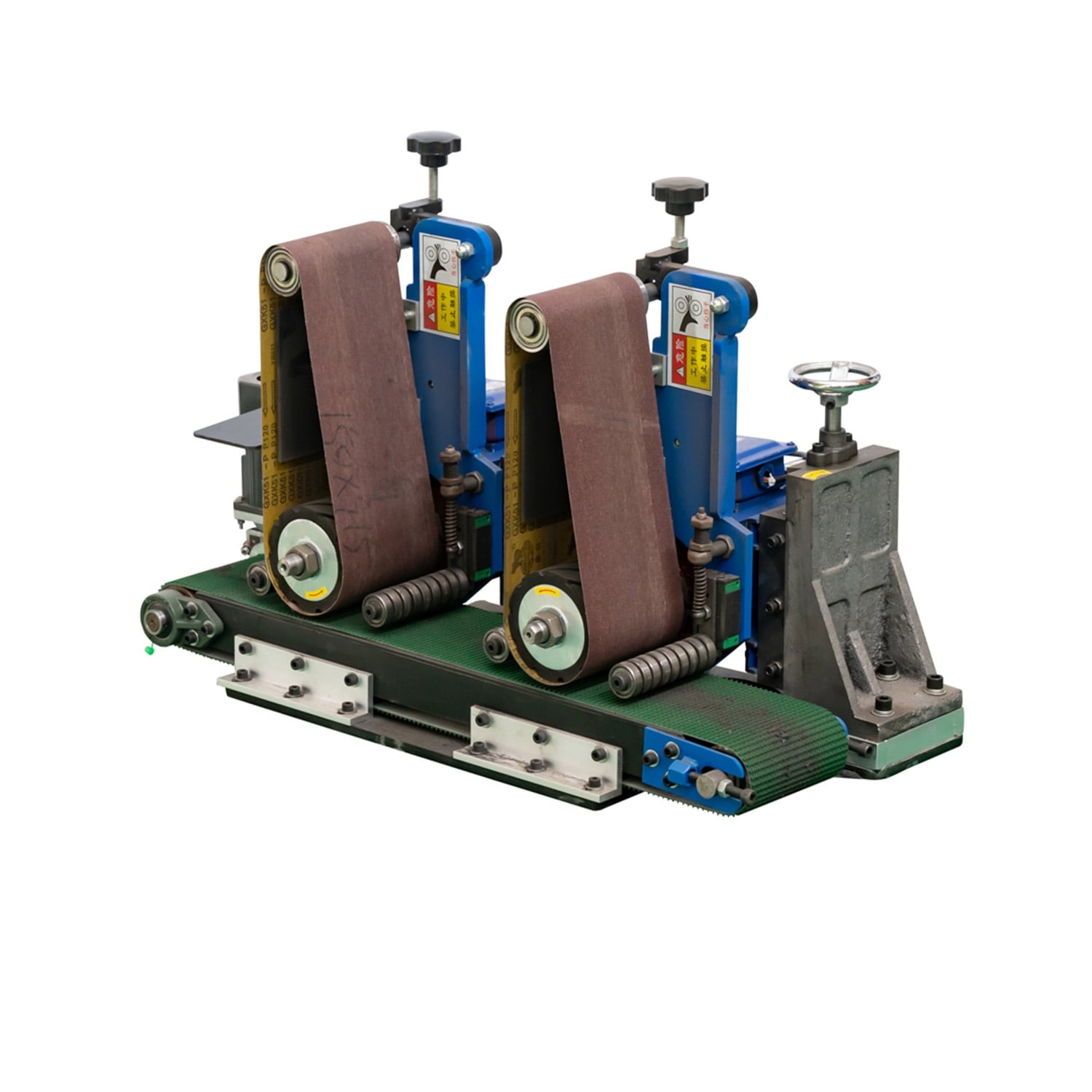
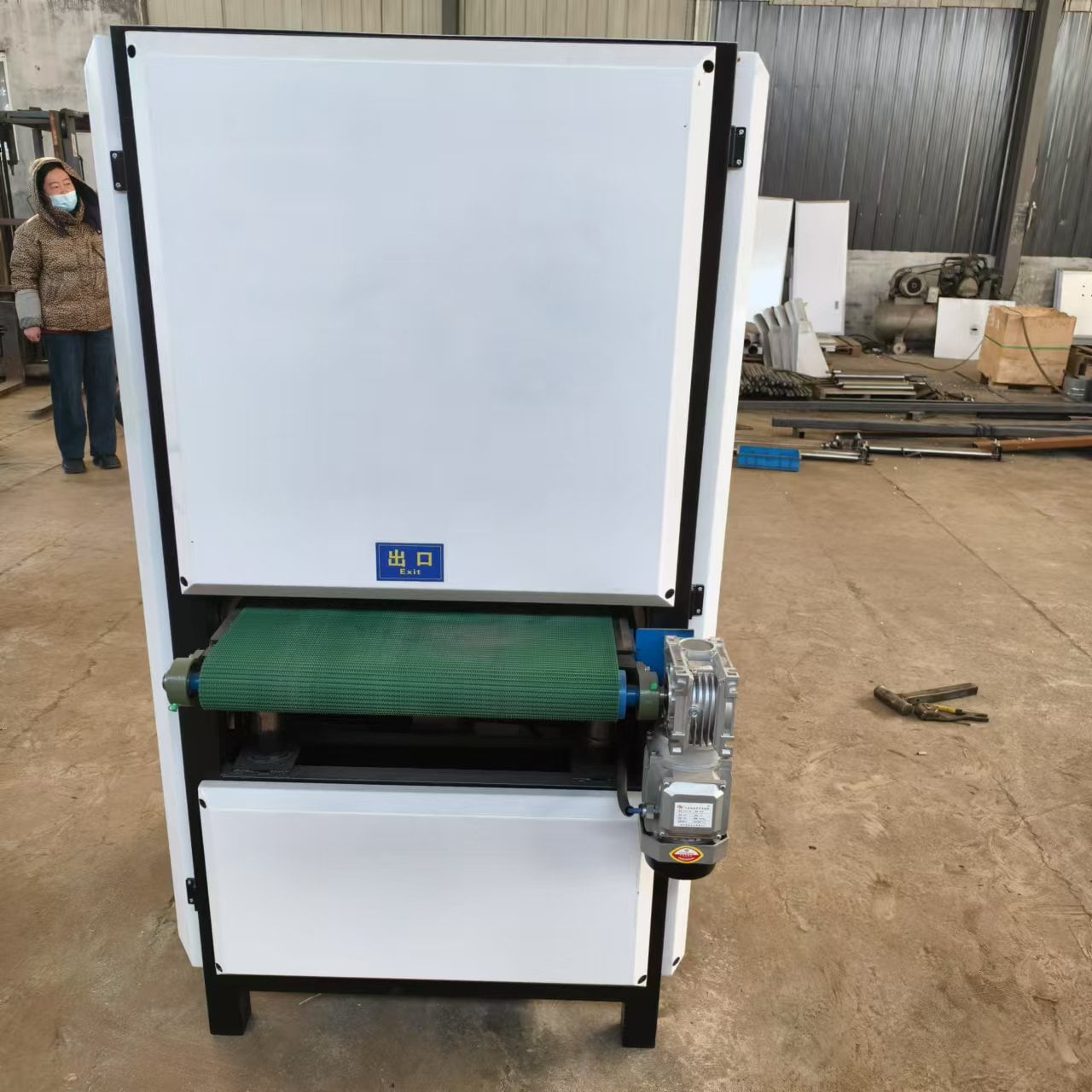
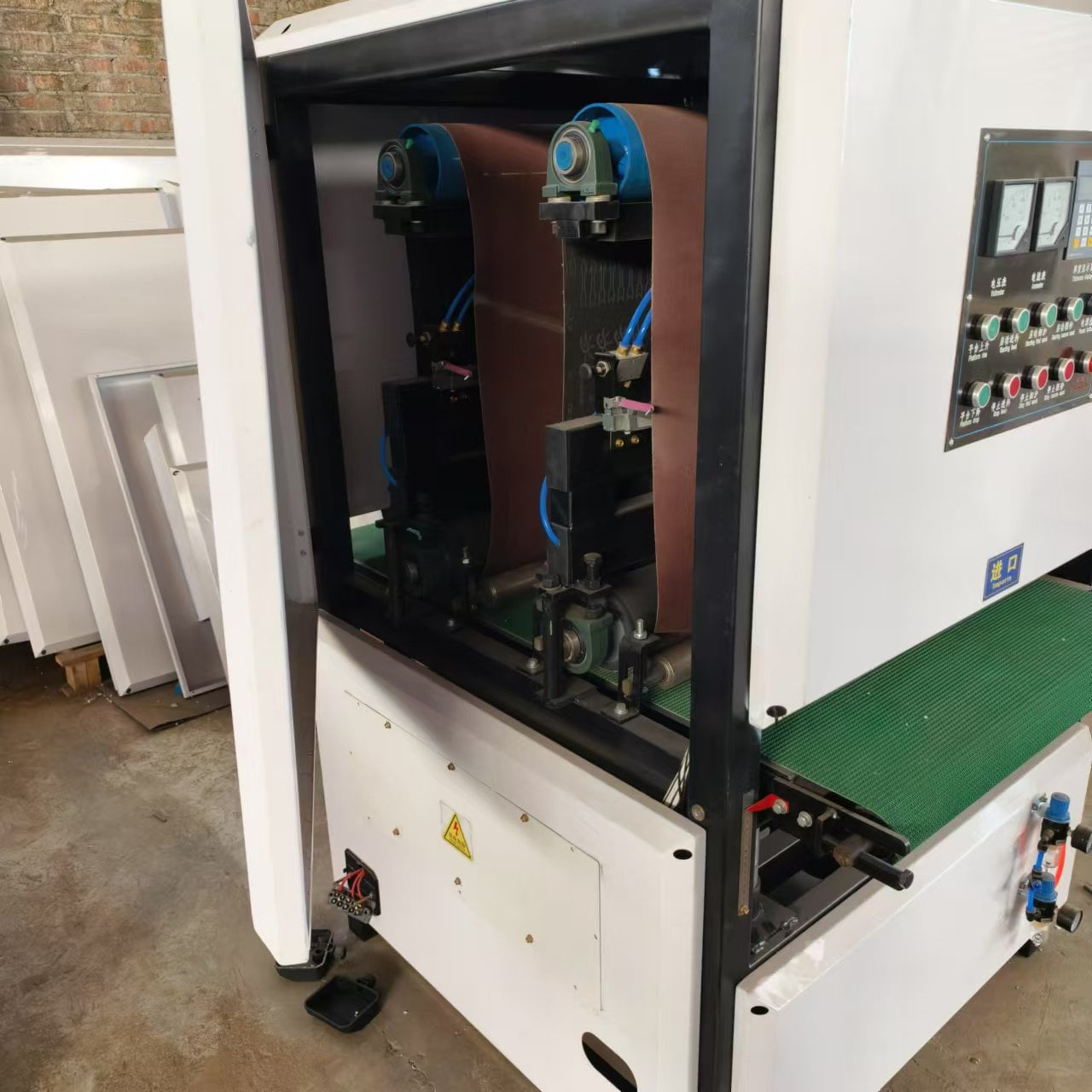
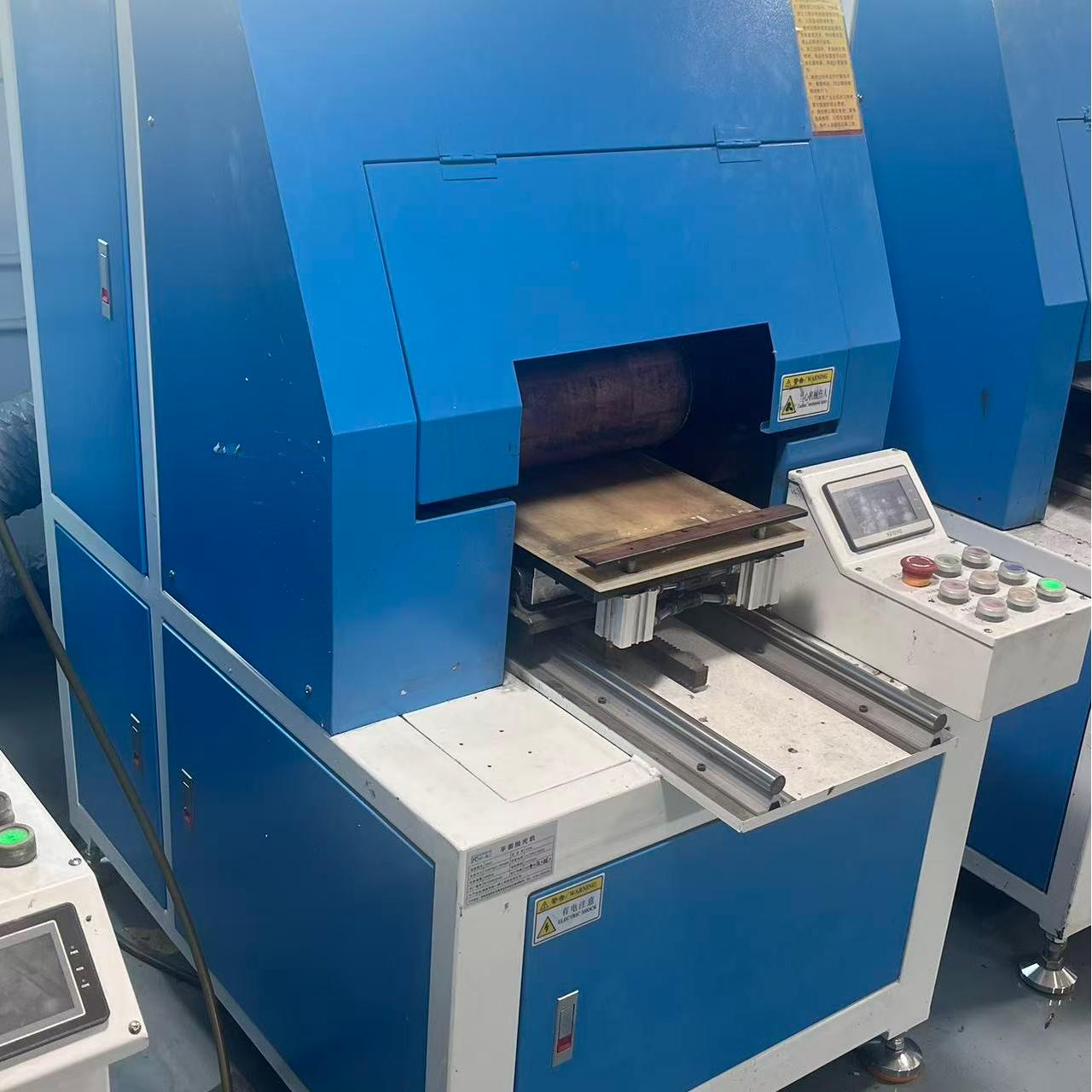
For flat workpieces, compare the listed working width, thickness range, number of stations and height-adjustment method. The range includes a compact 150 mm platform in single-, dual- and three-station versions, together with wider 400, 600, 800, 1000 and 1300 mm configurations. Where the current specification identifies electric lifting or manual gearbox lifting, that verified difference is used for selection; it does not by itself imply automatic loading, automatic process control or a guaranteed finish.
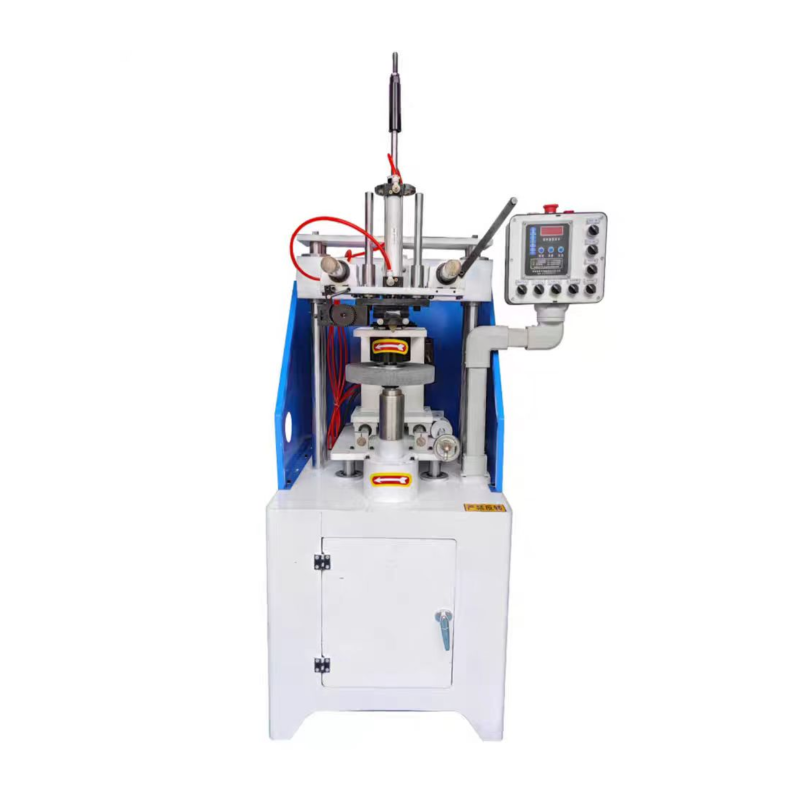
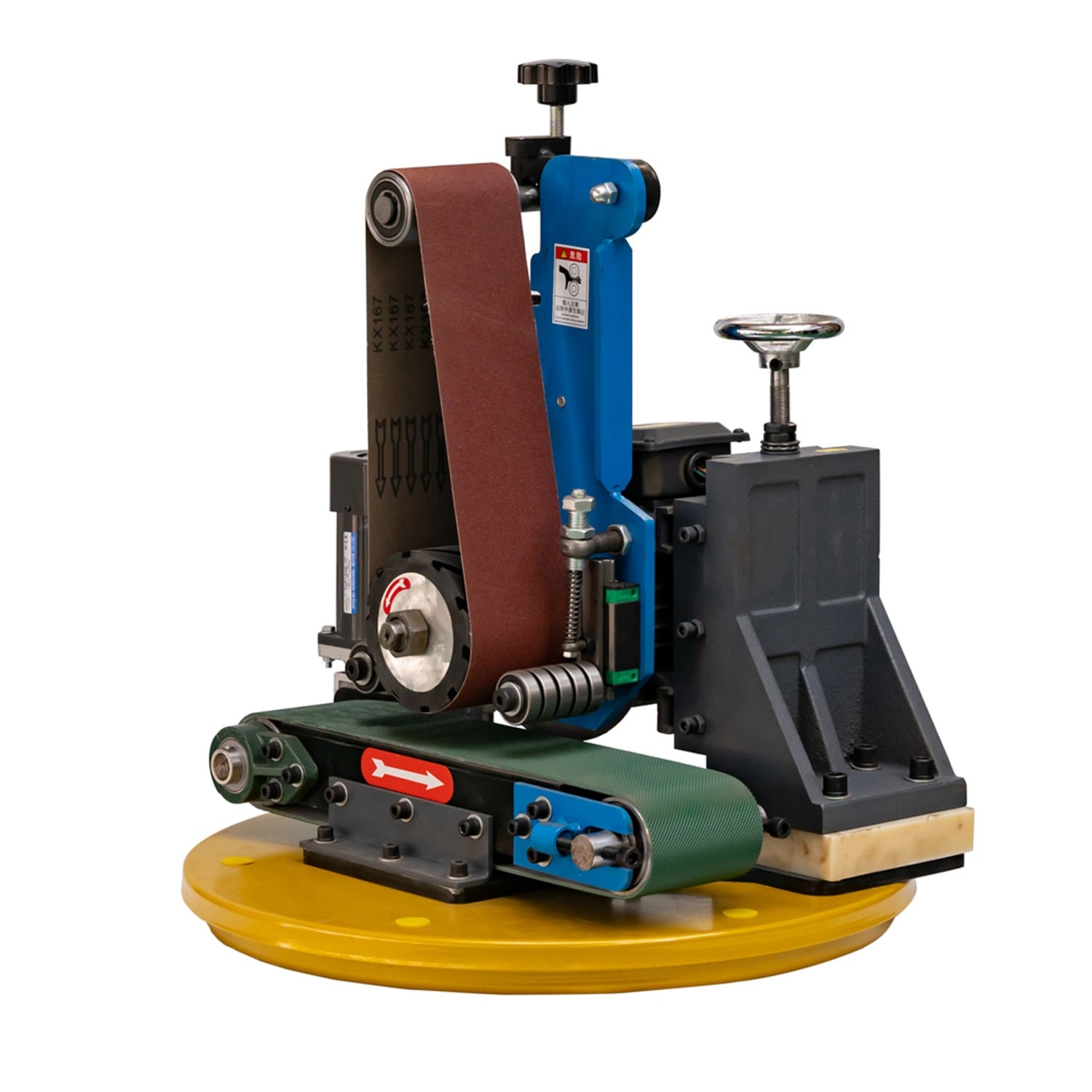
For round or bent workpieces, send the tube, bar or shaft diameter, length, bend radius and a drawing or photograph. A machine for straight equal-diameter parts uses a different workholding and feed concept from equipment intended for tubes that are already bent. For manual or low-volume work, the range also includes vertical, vertical-and-horizontal and other belt-sander configurations. Their working zones, belt length and motor option must be matched to the required contact area and operation.
Surface results depend on the incoming condition, material, abrasive type and grit, contact pressure, belt or wheel speed, feed, number of passes and any polishing compound. For that reason, a machine name alone cannot guarantee a mirror, satin, hairline or measured-roughness result. HarsMarg should confirm the process from a representative workpiece or sample whenever the visual or measured finish is critical.
To receive a technical recommendation, provide the material and grade, workpiece shape and dimensions, current surface condition, target operation and finish, required throughput, preferred dry or wet process, loading method, local power supply and destination country. We can then compare the relevant machine family and identify which specifications or options still need confirmation before quotation.
| Workpiece or requirement | Start with | Compare before selection |
|---|---|---|
| Flat parts up to 150 mm listed width | Single-station, dual-station or three-station model | Number of stations, exact tool in each station, width, thickness and required process sequence |
| Wider flat surfaces | 400–1300 mm electric-lift or manual-lift belt finishing machines | Listed working width, thickness range, lift method, belt configuration and feed |
| Tubes that are already bent | Bent Tube Polishing Machine | Tube diameter, bend radius, clearance, belt size, dry or wet requirement and target finish |
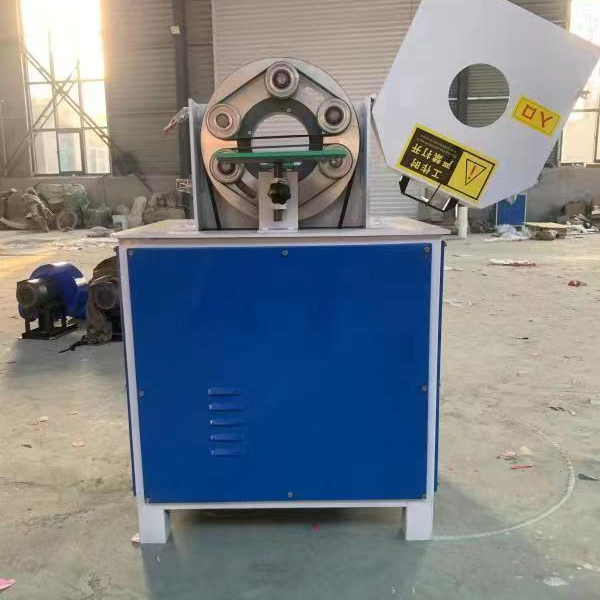
| Straight tubes, bars or shafts | 4–80 mm Tube and Bar Polishing Machine | Diameter, length, support or feed method, tool type and number of passes |
| Manual finishing of small or freeform parts | Vertical, vertical-and-horizontal or manual belt sander | Working orientation, contact zone, belt size, motor option, speed control and voltage |



 EN