EN
EN



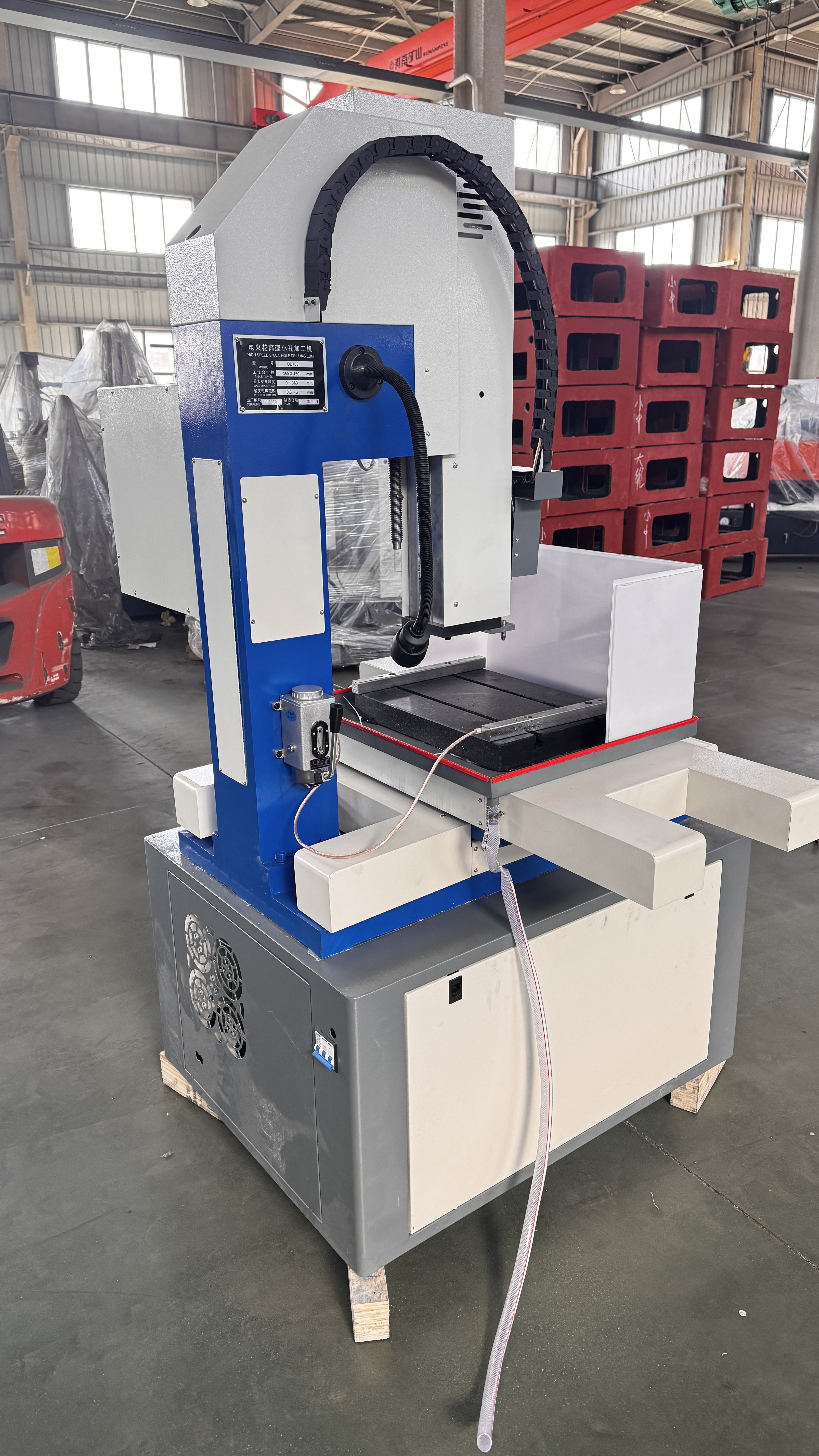
Manufacturing precision components requires advanced machining technologies that can handle complex geometries and difficult-to-machine materials. The EDM drilling machine represents a breakthrough in electrical discharge machining, offering unparalleled accuracy and versatility for creating intricate holes and cavities in hardened materials. This sophisticated equipment has revolutionized tool and mold manufacturing processes, enabling manufacturers to achieve tolerances that were previously impossible with conventional drilling methods.
Modern manufacturing demands have pushed the boundaries of traditional machining capabilities, particularly in aerospace, automotive, and medical device industries. The EDM drilling machine addresses these challenges by utilizing controlled electrical discharges to erode material precisely, regardless of hardness. This technology has become indispensable for creating cooling channels in injection molds, turbine blade cooling holes, and micro-components for electronic devices.
Fundamental Principles of EDM Drilling Technology
Electrical Discharge Mechanism
The EDM drilling machine operates on the principle of electrical discharge machining, where controlled electrical sparks erode material from the workpiece. Unlike conventional drilling that relies on mechanical cutting forces, this process uses thermal energy generated by electrical discharges between the electrode and workpiece. The sparks create temperatures exceeding 10,000 degrees Celsius in microsecond intervals, instantly vaporizing small amounts of material.
Each electrical discharge creates a small crater in the workpiece surface, and thousands of these micro-discharges collectively form the desired hole geometry. The process occurs in a dielectric fluid that serves multiple purposes: it acts as an insulator until the voltage reaches breakdown levels, cools the work area, and flushes away eroded particles. This controlled erosion process enables the EDM drilling machine to achieve remarkable precision and surface finish quality.
Electrode Design and Selection
Electrode selection significantly impacts the performance of an EDM drilling machine. Copper and graphite remain the most common electrode materials, each offering distinct advantages for specific applications. Copper electrodes provide excellent electrical conductivity and produce superior surface finishes, making them ideal for precision work requiring minimal post-processing.
Graphite electrodes offer faster material removal rates and better wear resistance, particularly beneficial for roughing operations or when machining large volumes. The electrode geometry must be precisely manufactured to ensure accurate hole profiles, as any imperfections in the electrode translate directly to the workpiece. Modern EDM drilling machine systems often incorporate automatic electrode changing capabilities, allowing for optimized electrode selection throughout the machining process.
Applications in Tool Manufacturing
Precision Tool Creation
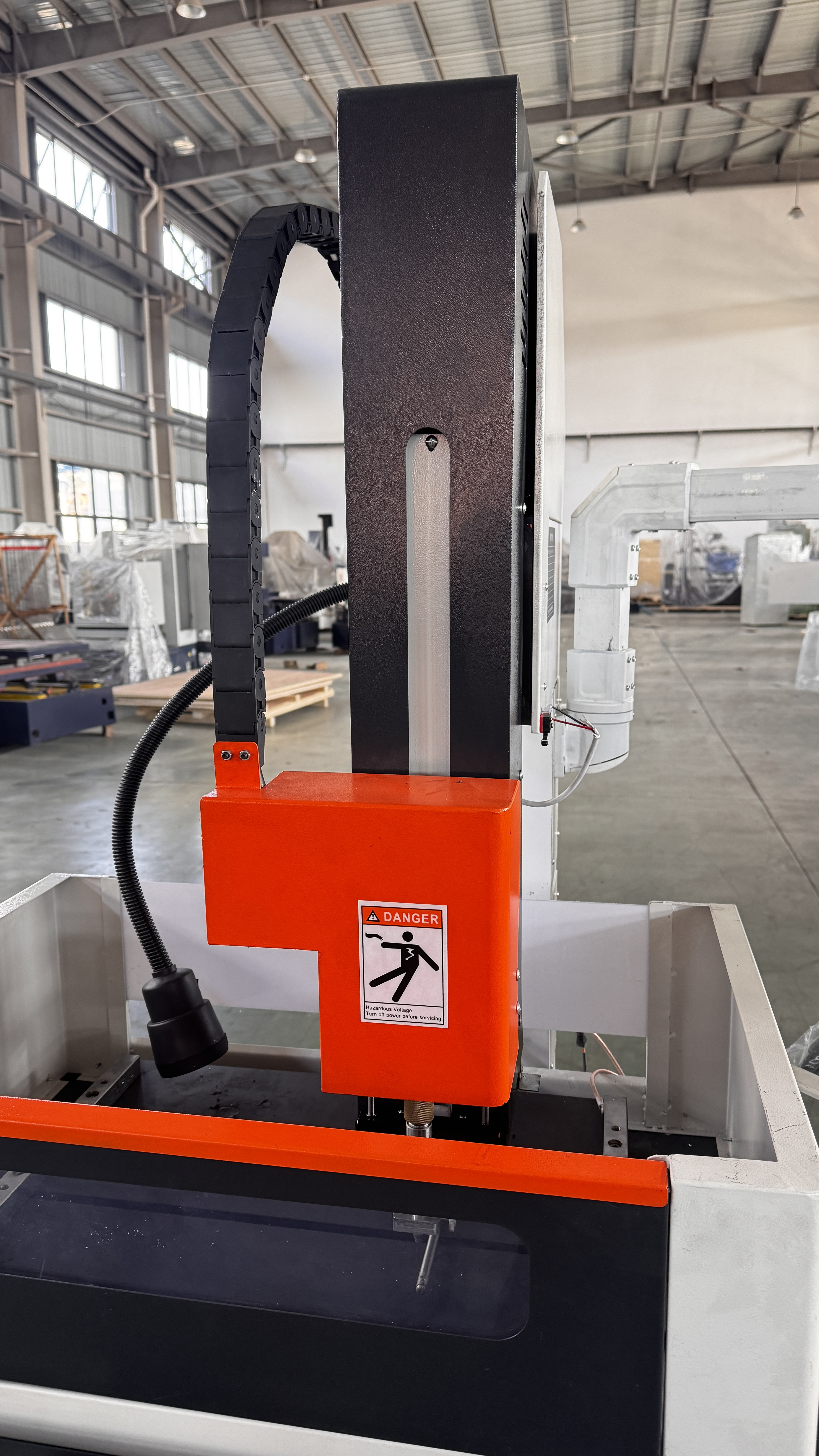
Tool manufacturing represents one of the primary applications for EDM drilling machine technology. Creating precise holes in hardened tool steels, carbide inserts, and other difficult-to-machine materials becomes achievable through electrical discharge machining. The process enables manufacturers to produce complex internal geometries that would be impossible or extremely difficult with conventional drilling methods.
Cutting tool manufacturers utilize EDM drilling machine capabilities to create coolant passages within solid carbide cutting tools. These internal channels improve tool life by directing cutting fluid precisely to the cutting edge, reducing heat buildup and extending tool performance. The ability to drill holes with diameters as small as 0.1mm opens new possibilities for micro-tooling applications in electronics and medical device manufacturing.
Progressive Die Manufacturing
Progressive die manufacturing requires exceptional precision in hole placement and geometry, making the EDM drilling machine an invaluable asset. These complex dies often feature hundreds of precisely positioned holes for stripper plates, guide pins, and ejection systems. Traditional drilling methods struggle with the required tolerances and often cause work hardening in high-strength materials.
The EDM drilling machine eliminates these concerns by machining without mechanical contact, preventing work hardening and maintaining consistent hole quality throughout the die structure. This capability extends die life and improves stamping accuracy, directly impacting production quality and cost-effectiveness in high-volume manufacturing environments.
Mold Manufacturing Excellence
Injection Mold Cooling Systems
Effective cooling system design critically impacts injection molding cycle times and part quality. The EDM drilling machine enables mold makers to create sophisticated cooling channel networks that follow part geometry more closely than conventional straight-line cooling circuits. These conformal cooling channels reduce cycle times, improve part dimensional stability, and minimize warpage in complex plastic components.
Creating intersecting cooling channels and complex geometries becomes straightforward with EDM drilling machine technology. The process allows for drilling holes at various angles and depths without the geometric limitations imposed by rotating cutting tools. This flexibility enables cooling system optimization that significantly improves molding process efficiency and part quality consistency.
Deep Hole Drilling Capabilities
Large injection molds often require deep cooling channels and ejection pin holes that challenge conventional drilling equipment. The EDM drilling machine excels in deep hole applications, maintaining excellent straightness and diameter consistency even in holes with length-to-diameter ratios exceeding 40:1. This capability proves essential for thick-section molding applications where cooling effectiveness depends on deep channel penetration.
The absence of cutting forces in EDM drilling eliminates drill wandering and reduces the risk of hole deviation, common problems in deep conventional drilling. This accuracy ensures proper cooling circuit function and ejection system alignment, critical factors in mold performance and longevity. Modern EDM drilling machine systems incorporate advanced flushing capabilities that maintain consistent material removal rates even in deep hole applications.
Advanced Material Machining
Superalloy Processing
Aerospace and energy industries increasingly rely on superalloys that resist conventional machining methods due to their extreme hardness and work-hardening characteristics. The EDM drilling machine provides an effective solution for creating precise holes in these challenging materials, including Inconel, Hastelloy, and titanium alloys. The thermal machining process remains unaffected by material hardness, enabling consistent performance across diverse material types.
Superalloy components often require complex internal passages for cooling or lightweighting purposes. The EDM drilling machine capability to create intricate internal geometries without mechanical stress makes it ideal for aerospace applications where component integrity is paramount. This technology enables the production of advanced turbine components and heat exchangers that would be impossible to manufacture using conventional methods.
Ceramic and Composite Machining
Advanced ceramics and composite materials present unique machining challenges due to their brittleness and abrasive nature. The EDM drilling machine offers a viable solution for creating precise holes in electrically conductive ceramics and carbon fiber composites without inducing mechanical stress or delamination. This capability opens new applications in electronics cooling, aerospace structures, and high-performance automotive components.
The thermal nature of EDM drilling machine processing eliminates concerns about tool wear and breakage common in conventional drilling of these materials. Edge quality remains excellent without the chipping and cracking often associated with mechanical drilling methods. This advantage proves particularly valuable in semiconductor manufacturing and advanced composite fabrication where hole quality directly impacts component performance.
Process Optimization and Control
Parameter Selection and Tuning
Optimal EDM drilling machine performance requires careful parameter selection and continuous monitoring throughout the machining process. Key parameters include discharge voltage, current settings, pulse duration, and dielectric pressure. These variables interact to determine material removal rates, surface finish quality, and electrode wear characteristics. Understanding these relationships enables operators to optimize processes for specific applications and materials.
Modern EDM drilling machine systems incorporate adaptive control technologies that automatically adjust parameters based on real-time process feedback. These systems monitor gap conditions, material removal rates, and electrode wear to maintain optimal cutting conditions throughout the machining cycle. This automation reduces operator skill requirements while improving process consistency and reducing cycle times.
Quality Assurance and Measurement
Quality control in EDM drilling machine operations requires sophisticated measurement techniques due to the precision levels involved. Coordinate measuring machines and optical measurement systems verify hole position accuracy, diameter consistency, and surface finish quality. Statistical process control methods track process capability and identify trends that might indicate parameter drift or electrode wear.
In-process monitoring systems integrated with modern EDM drilling machine equipment provide real-time feedback on machining conditions. These systems detect abnormal discharge patterns, electrode breakage, or contamination issues before they impact part quality. Predictive maintenance capabilities minimize unplanned downtime and ensure consistent production output in high-volume manufacturing environments.
Economic Benefits and Cost Analysis
Operational Cost Considerations
While EDM drilling machine equipment requires significant initial investment, the operational benefits often justify the expense in precision manufacturing applications. The ability to machine hardened materials without annealing reduces processing steps and handling requirements. Elimination of tool wear costs associated with conventional drilling in difficult materials provides ongoing operational savings.
Energy consumption in EDM drilling machine operations compares favorably to conventional methods when considering total processing requirements. The elimination of cutting fluids and reduced setup times contribute to lower operational costs. Additionally, the superior hole quality often eliminates secondary finishing operations, reducing total manufacturing time and costs.
Return on Investment Analysis
Calculating return on investment for EDM drilling machine equipment requires considering multiple factors including reduced scrap rates, improved part quality, and expanded manufacturing capabilities. The ability to machine parts that were previously impossible or required multiple operations provides competitive advantages that justify equipment costs in many applications.
Labor efficiency improvements through automation and reduced setup requirements contribute significantly to ROI calculations. The consistent quality output from EDM drilling machine processes reduces quality control requirements and warranty costs. These factors combine to provide attractive payback periods in applications requiring precision hole drilling in difficult materials.
Future Trends and Developments
Technology Integration
The integration of artificial intelligence and machine learning technologies promises to revolutionize EDM drilling machine capabilities. Predictive algorithms will optimize parameter selection based on material properties, hole geometry, and quality requirements. Smart systems will learn from historical data to improve process efficiency and reduce cycle times while maintaining quality standards.
Industry 4.0 connectivity enables EDM drilling machine systems to integrate seamlessly with manufacturing execution systems and quality management platforms. Real-time data sharing facilitates predictive maintenance, process optimization, and quality tracking across multiple machines and production facilities. This connectivity improves overall equipment effectiveness and enables more responsive manufacturing operations.
Environmental Considerations
Environmental sustainability increasingly influences EDM drilling machine development, with manufacturers focusing on energy efficiency and waste reduction. Advanced dielectric recycling systems minimize fluid consumption and reduce environmental impact. Improved process efficiency reduces overall energy consumption per part, supporting corporate sustainability initiatives.
The development of biodegradable dielectric fluids addresses environmental concerns while maintaining machining performance. These innovations enable EDM drilling machine operations in environmentally sensitive applications and support compliance with increasingly strict environmental regulations. Sustainable manufacturing practices become competitive advantages as customers prioritize environmental responsibility.
FAQ
What materials can be processed with EDM drilling machines
EDM drilling machines can process any electrically conductive material regardless of hardness, including hardened tool steels, carbides, superalloys, titanium, and conductive ceramics. The process works equally well on materials that are difficult or impossible to drill conventionally, making it ideal for aerospace, medical, and precision tooling applications where material properties challenge traditional machining methods.
How does hole accuracy compare between EDM drilling and conventional drilling
EDM drilling machines typically achieve hole position accuracy within ±0.005mm and diameter tolerances of ±0.002mm, significantly better than conventional drilling in hard materials. The absence of cutting forces eliminates drill wandering and work piece deflection, enabling superior straightness in deep holes. This precision makes EDM drilling essential for applications requiring exact hole placement and consistent quality.
What factors affect EDM drilling machine operating costs
Primary cost factors include electrode consumption, dielectric fluid usage, electrical power consumption, and machine maintenance. While initial equipment costs are higher than conventional drilling, operational advantages include elimination of drill bit replacement, reduced scrap rates, and the ability to machine parts in their hardened state. Total cost analysis often favors EDM drilling machine technology in precision applications.
Can EDM drilling machines create complex hole geometries
Yes, EDM drilling machines excel at creating complex hole shapes, tapered holes, and intersecting passages that would be impossible with conventional drilling. The process can produce square holes, cross-shaped passages, and intricate internal geometries by using specially shaped electrodes. This capability enables innovative cooling system designs in injection molds and advanced internal features in precision components.