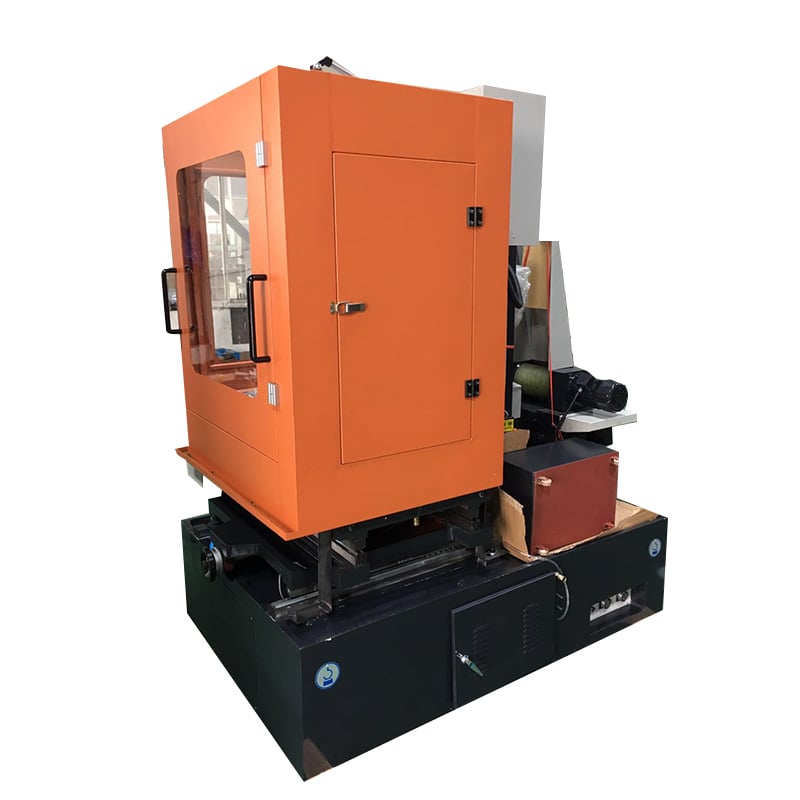
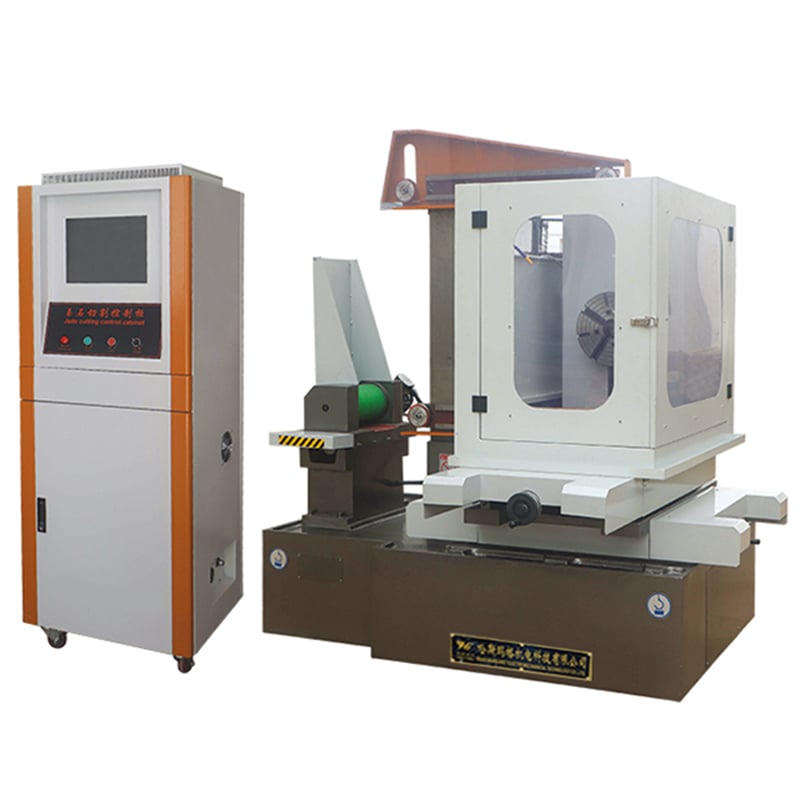
Modern manufacturing and construction industries demand precision cutting solutions capable of handling the toughest materials known to engineering. From reinforced concrete structures to advanced ceramics and hardened metals, traditional cutting methods often fall short when dealing with materials that exhibit exceptional hardness and durability. Diamond cutting equipment has emerged as the definitive solution for these challenging applications, offering unmatched performance through the superior properties of industrial diamonds. These advanced cutting systems leverage the hardest naturally occurring substance on Earth to deliver precise, clean cuts across a wide spectrum of hard materials that would otherwise prove problematic or impossible to process with conventional tools.
Superior Material Properties of Diamond Cutting Systems
Unmatched Hardness and Durability
Diamond cutting equipment derives its exceptional performance from the fundamental properties of industrial diamonds, which register a perfect 10 on the Mohs hardness scale. This supreme hardness translates directly into the ability to cut through materials that would quickly dull or damage conventional cutting tools. Unlike carbide or steel cutting implements that lose their edge when confronted with hard materials, diamond-embedded cutting tools maintain their sharpness and cutting efficiency throughout extended operational periods.
The crystalline structure of diamonds provides not only hardness but also remarkable wear resistance under extreme conditions. When properly manufactured and applied in cutting equipment, diamond particles maintain their cutting geometry even when subjected to high temperatures and pressures that occur during intensive cutting operations. This durability factor significantly reduces downtime for tool changes and maintenance, leading to improved productivity and lower operational costs over the equipment's lifespan.
Thermal Conductivity Advantages
Beyond hardness, diamonds exhibit exceptional thermal conductivity properties that prove crucial in cutting applications. This characteristic allows diamond cutting equipment to dissipate heat generated during cutting operations more effectively than alternative materials. Efficient heat management prevents thermal damage to both the cutting tool and the workpiece material, ensuring clean cuts with minimal heat-affected zones that could compromise material integrity.
The superior thermal properties of diamond cutting equipment become particularly important when processing materials sensitive to heat buildup. Advanced ceramics, composite materials, and precision-manufactured components benefit significantly from the reduced thermal impact achieved through diamond cutting technology. This thermal advantage extends tool life while maintaining cut quality throughout demanding applications.
Precision and Cut Quality Excellence
Dimensional Accuracy in Critical Applications
Professional applications requiring tight dimensional tolerances depend on the precision capabilities inherent in diamond cutting equipment. The consistent cutting geometry of diamond particles enables these systems to maintain dimensional accuracy across thousands of cutting cycles. This reliability proves essential in aerospace, medical device manufacturing, and precision engineering applications where dimensional variations measured in microns can determine component acceptability.
The sharp cutting edges provided by diamond particles create clean entry and exit cuts with minimal material deformation or chipping. This precision translates into reduced secondary processing requirements, as parts often meet final specifications directly from the cutting operation. Manufacturing facilities utilizing diamond cutting equipment report significant improvements in part quality consistency and reduced rejection rates compared to conventional cutting methods.
Surface Finish Quality
Diamond cutting equipment produces superior surface finishes that often eliminate or significantly reduce subsequent finishing operations. The uniform cutting action of diamond particles creates smooth, consistent surface textures that meet or exceed requirements for many critical applications. This surface quality advantage proves particularly valuable when processing materials for optical applications, precision bearings, or medical implants where surface characteristics directly impact functional performance.
The ability to achieve excellent surface finishes directly from the cutting process represents substantial cost savings through reduced processing steps. Traditional cutting methods often require multiple finishing operations to achieve comparable surface quality, adding time, cost, and potential sources of dimensional variation to the manufacturing process. Diamond cutting technology streamlines production while improving final product quality.

Versatility Across Material Types
Concrete and Masonry Applications
Construction and demolition industries rely heavily on diamond cutting equipment for processing concrete, stone, and masonry materials. The abrasive nature of concrete, particularly when reinforced with steel rebar, quickly destroys conventional cutting tools. Diamond cutting systems maintain their effectiveness throughout extended cutting operations in these demanding applications, providing consistent performance regardless of aggregate hardness or steel reinforcement density.
Diamond wire cutting machines and blade systems excel in architectural applications requiring precise cuts in decorative stone, precast concrete elements, and structural modifications. The clean cuts achieved by diamond cutting equipment eliminate the need for extensive finishing work while ensuring structural integrity remains uncompromised. This capability proves essential for renovation projects where precision cuts must integrate seamlessly with existing structures.
Advanced Materials Processing
Modern manufacturing increasingly utilizes advanced materials such as technical ceramics, composite structures, and hardened alloys that challenge conventional cutting methods. Diamond cutting equipment handles these materials effectively, maintaining cut quality and dimensional accuracy regardless of material hardness or abrasive characteristics. Silicon carbide ceramics, tungsten carbide components, and fiber-reinforced composites all benefit from the superior cutting capabilities of diamond-based systems.
The electronics industry particularly values diamond cutting equipment for processing semiconductor wafers, ceramic substrates, and precision components where material damage must be minimized. The sharp, consistent cutting action of diamond tools prevents microcracking and subsurface damage that could compromise electronic component performance. This capability enables the production of high-reliability components essential for aerospace, medical, and telecommunications applications.
Economic Benefits and Cost Effectiveness
Reduced Operating Costs
While diamond cutting equipment typically requires higher initial investment compared to conventional cutting tools, the long-term economic benefits significantly outweigh upfront costs. Extended tool life reduces replacement frequency and associated downtime, while improved cutting efficiency increases throughput without additional labor costs. Maintenance requirements decrease substantially due to the durability of diamond cutting elements, further reducing operational expenses.
The precision capabilities of diamond cutting equipment eliminate many secondary operations, reducing total processing time and associated costs. Parts that previously required multiple processing steps to achieve final specifications can often be completed in single operations using diamond cutting technology. This process consolidation improves manufacturing efficiency while reducing handling and work-in-process inventory costs.
Productivity Enhancement
Diamond cutting equipment enables higher cutting speeds and feed rates compared to conventional alternatives while maintaining superior cut quality. This productivity improvement directly translates to increased manufacturing capacity without additional equipment investment. Facilities can process more parts per shift while maintaining or improving quality standards, effectively increasing return on manufacturing assets.
The reliability of diamond cutting equipment reduces production scheduling uncertainties associated with frequent tool changes and maintenance requirements. Consistent tool performance enables more accurate production planning and delivery commitments, improving customer satisfaction and supporting business growth objectives. The predictable performance characteristics of diamond cutting systems facilitate lean manufacturing initiatives and continuous improvement programs.
Technology Advancement and Innovation
Manufacturing Process Improvements
Continuous advancement in diamond synthesis and bonding technologies has significantly enhanced the performance capabilities of modern diamond cutting equipment. Synthetic diamond production enables precise control over crystal size, distribution, and bonding matrix composition, optimizing cutting performance for specific material applications. These technological improvements have expanded the range of materials effectively processed by diamond cutting systems while improving overall cutting efficiency.
Advanced bonding matrices developed specifically for diamond cutting applications provide optimal diamond retention while allowing controlled diamond exposure as cutting progresses. This technology ensures consistent cutting performance throughout tool life while maximizing diamond utilization efficiency. The result is improved cost-effectiveness combined with superior cutting performance across diverse material applications.
Automation Integration Capabilities
Modern diamond cutting equipment integrates seamlessly with automated manufacturing systems, enabling lights-out production capabilities for high-volume applications. CNC integration allows precise control over cutting parameters while automated tool monitoring systems track performance and predict maintenance requirements. This integration capability supports Industry 4.0 initiatives while maximizing equipment utilization and minimizing labor requirements.
Sensor technology incorporated into advanced diamond cutting equipment provides real-time feedback on cutting conditions, enabling automatic parameter optimization for maximum efficiency and quality. These smart systems adapt cutting parameters based on material variations and tool wear conditions, ensuring consistent results while maximizing tool life and productivity. The data generated by these systems supports predictive maintenance programs and continuous process improvement initiatives.
FAQ
What materials can be effectively cut using diamond cutting equipment
Diamond cutting equipment successfully processes a wide range of hard materials including reinforced concrete, natural stone, technical ceramics, hardened steels, carbide tools, composite materials, and semiconductor wafers. The superior hardness and thermal properties of diamond make it effective for materials that quickly dull conventional cutting tools. Specific applications range from construction and demolition work to precision manufacturing in aerospace and electronics industries.
How does the cost of diamond cutting equipment compare to conventional alternatives
While diamond cutting equipment requires higher initial investment, the total cost of ownership typically proves lower due to extended tool life, reduced maintenance requirements, and improved productivity. Diamond tools last significantly longer than conventional alternatives, reducing replacement costs and downtime. The precision capabilities often eliminate secondary processing operations, further improving cost effectiveness through reduced total processing time.
What maintenance requirements apply to diamond cutting equipment
Diamond cutting equipment generally requires less maintenance than conventional cutting systems due to the durability of diamond cutting elements. Regular cleaning to remove accumulated debris, periodic inspection of bonding matrix wear, and proper cooling system maintenance represent typical requirements. Following manufacturer guidelines for operating parameters and cooling ensures optimal tool life and cutting performance while minimizing unexpected maintenance issues.
Can diamond cutting equipment be integrated with existing manufacturing systems
Modern diamond cutting equipment is designed for seamless integration with existing CNC machines, automated handling systems, and manufacturing execution systems. Standard interfaces and communication protocols enable easy integration while advanced control systems provide precise parameter control and real-time monitoring capabilities. This integration flexibility allows facilities to upgrade cutting capabilities without major system modifications or workflow disruptions.