EN
EN



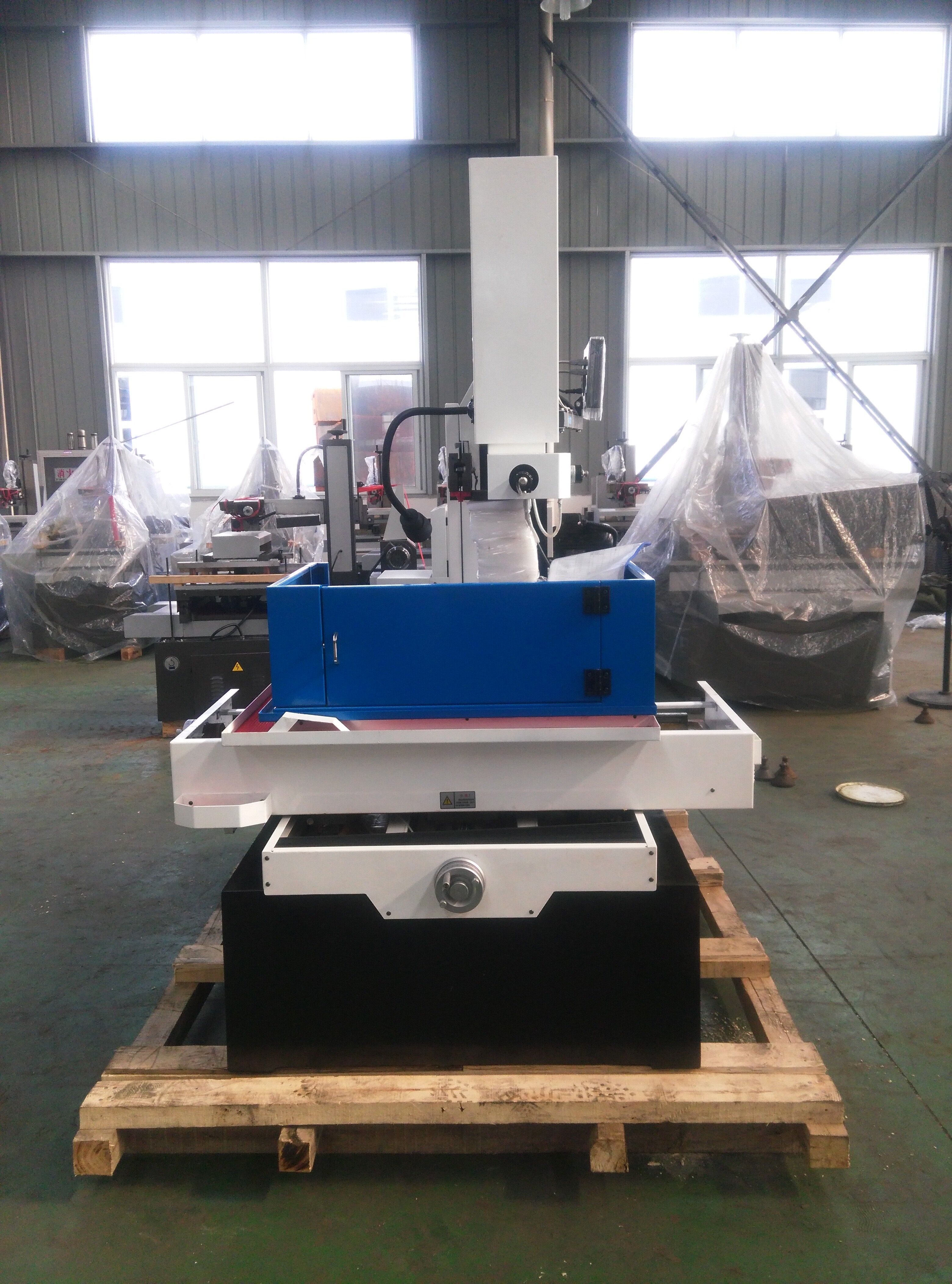
EDM machines have revolutionized modern manufacturing by enabling precision cutting and shaping of complex geometries that would be impossible with conventional machining methods. These sophisticated electrical discharge machining systems utilize controlled electrical sparks to erode material, creating intricate components for aerospace, automotive, medical device, and precision tooling industries. As manufacturers face increasing demands for tighter tolerances, complex shapes, and exotic materials, EDM machines continue to push the boundaries of what's achievable in precision manufacturing.
Fundamentals of Electrical Discharge Machining Technology
Basic Operating Principles
Electrical discharge machining operates on the principle of controlled erosion through spark discharge between an electrode and workpiece. The process occurs in a dielectric fluid environment where precisely timed electrical pulses create localized heating that vaporizes small amounts of material. This non-contact machining method eliminates mechanical stresses and cutting forces, making it ideal for delicate components and hard materials that resist conventional cutting tools.
The fundamental components include a power supply that generates controlled electrical pulses, electrodes that conduct the discharge, a dielectric fluid system for cooling and debris removal, and sophisticated control systems that manage the entire process. Modern EDM machines incorporate advanced servo systems that maintain optimal gap conditions between electrode and workpiece, ensuring consistent spark formation and material removal rates.
Types of EDM Technology
Wire EDM represents one of the most versatile forms of electrical discharge machining, utilizing a continuously moving wire electrode to cut complex 2D and 3D profiles. This technology excels in creating precise contours, sharp corners, and intricate internal features with tolerances measured in microns. Wire EDM systems can machine any electrically conductive material regardless of hardness, making them invaluable for tool and die manufacturing.
Sinker EDM, also known as ram EDM or conventional EDM, employs shaped electrodes to create cavities, complex internal geometries, and surface textures. This process is particularly effective for mold making, where intricate cooling channels, undercuts, and detailed surface features are required. The ability to machine hardened steel and exotic alloys makes sinker EDM indispensable in aerospace and medical device manufacturing.
Advanced Applications in Modern Manufacturing
Aerospace Component Production
The aerospace industry relies heavily on EDM machines for producing critical components that demand exceptional precision and material integrity. Turbine blade cooling holes, combustion chamber features, and fuel injection nozzles represent typical applications where conventional machining falls short. EDM technology enables the creation of micro-holes with precise angles, complex internal passages, and surface finishes that meet stringent aerospace standards.
Advanced titanium and nickel-based superalloys used in jet engines present significant challenges for traditional machining methods due to their hardness and poor machinability. EDM processes these materials efficiently while maintaining dimensional accuracy and eliminating tool wear concerns. The ability to machine thin-walled structures without mechanical distortion makes EDM essential for lightweight aerospace components.
Medical Device Manufacturing
Medical device manufacturing demands the highest levels of precision, surface quality, and biocompatibility, making EDM machines indispensable in this field. Surgical instruments, implants, and diagnostic equipment components often require complex geometries that cannot be achieved through conventional machining. The burr-free nature of EDM processing eliminates secondary operations and ensures clean, precise edges essential for medical applications.
Micro-machining capabilities of modern EDM systems enable the production of miniaturized components for minimally invasive surgical devices. Catheter components, micro-needles, and precision mechanical elements in medical robots benefit from the exceptional accuracy and surface finish achievable through electrical discharge machining. The process's ability to work with biocompatible materials like titanium, stainless steel, and specialized alloys makes it crucial for advancing medical technology.
Technological Innovations and Industry Impact
Automation and Smart Manufacturing Integration
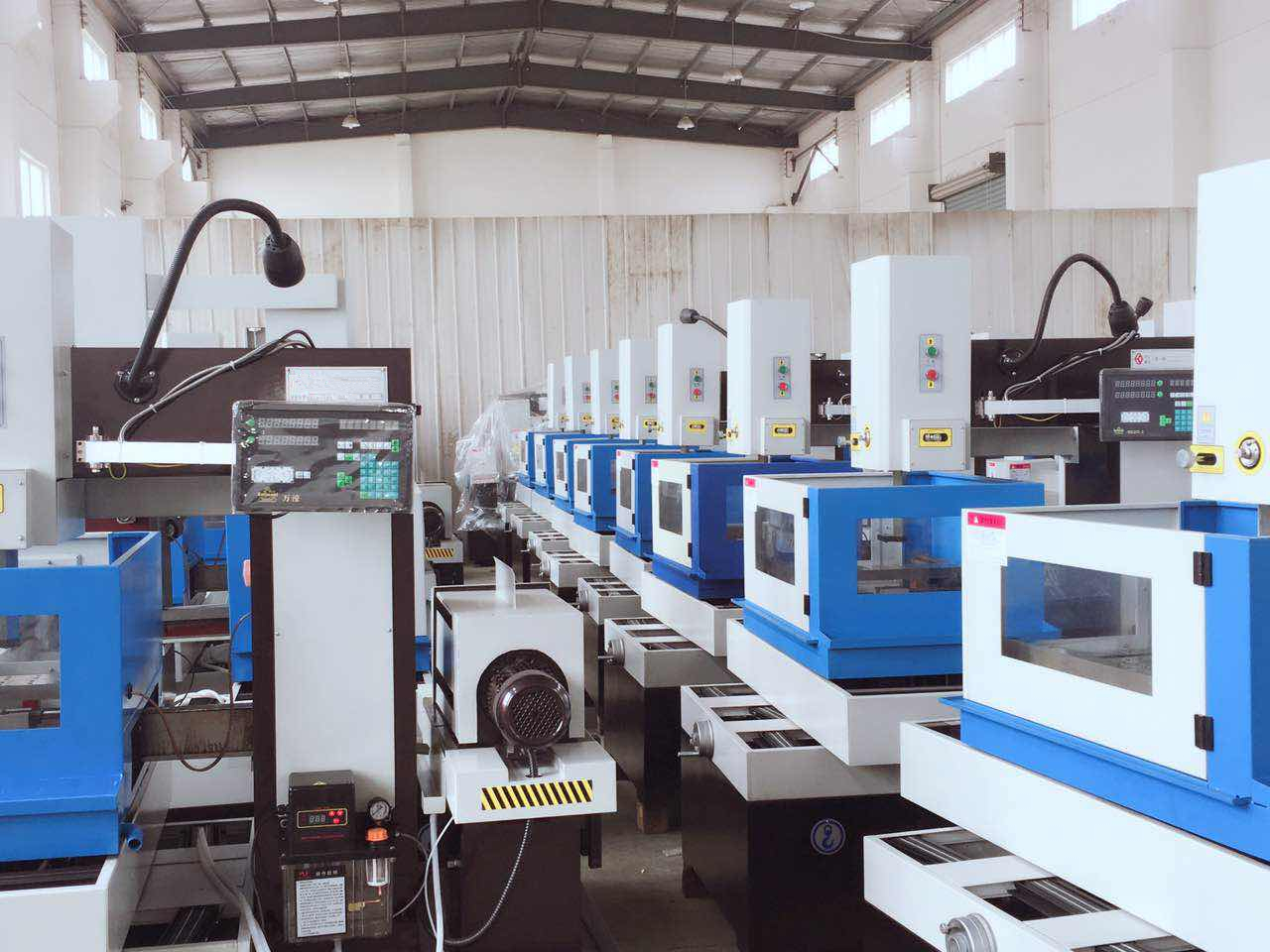
Modern EDM machines incorporate sophisticated automation systems that enhance productivity and reduce operator intervention. Automated wire threading, electrode changing systems, and pallet changers enable lights-out manufacturing operations. Integration with manufacturing execution systems allows real-time monitoring of process parameters, predictive maintenance scheduling, and quality control throughout the manufacturing cycle.
Artificial intelligence and machine learning algorithms optimize cutting parameters automatically based on material properties, electrode geometry, and desired surface finish. These smart systems continuously adjust power settings, pulse timing, and feed rates to maximize efficiency while maintaining quality standards. The integration of IoT sensors provides comprehensive data collection for process optimization and quality assurance.
Surface Engineering and Finishing Capabilities
Advanced EDM machines offer sophisticated surface finishing capabilities that eliminate or significantly reduce secondary operations. Multi-stage finishing cycles can achieve mirror-like surface qualities directly from the EDM process, reducing manufacturing time and costs. Textured surface generation through specialized electrode designs creates functional surfaces for improved wear resistance, lubrication retention, or aesthetic appeal.
Powder mixed EDM technology introduces conductive particles into the dielectric fluid to modify surface properties during machining. This process can create wear-resistant surface layers, improve corrosion resistance, or enhance thermal properties without additional coating operations. The ability to engineer surface characteristics during the machining process represents a significant advancement in manufacturing efficiency.
Economic Benefits and Productivity Enhancements
Cost-Effectiveness in Complex Geometries
EDM machines provide significant economic advantages when producing complex geometries that would require multiple setups and specialized tooling with conventional methods. The ability to machine intricate internal features, deep cavities, and complex contours in a single operation reduces manufacturing time and eliminates potential assembly errors. This consolidation of operations particularly benefits low to medium volume production where tooling costs significantly impact overall part costs.
The elimination of tool wear and replacement costs associated with conventional machining provides ongoing economic benefits. EDM processes maintain consistent accuracy throughout production runs without degradation due to cutting tool wear. This reliability enables better production planning, reduced scrap rates, and more predictable manufacturing costs, especially when working with expensive materials or critical components.
Reduced Lead Times and Flexibility
The rapid setup capabilities of modern EDM machines significantly reduce lead times for prototype development and short-run production. Wire EDM systems can begin cutting immediately after part programming without lengthy tool preparation or fixture setup. This responsiveness enables manufacturers to support rapid product development cycles and respond quickly to customer requirements.
Design flexibility represents another major economic advantage of EDM technology. Engineering changes can be implemented through program modifications without expensive tooling changes. This adaptability supports lean manufacturing principles and enables efficient customization for specific customer requirements. The ability to machine prototypes using production materials and processes provides accurate validation of design concepts.
Future Developments and Emerging Trends
Advanced Materials Processing
Emerging advanced materials including ceramic matrix composites, additive manufactured alloys, and functionally graded materials present new challenges and opportunities for EDM technology. Research into specialized dielectric fluids and electrode materials aims to optimize processing parameters for these innovative materials. The development of hybrid manufacturing processes combining EDM with additive manufacturing enables complex geometries that leverage the strengths of both technologies.
Nanotechnology applications drive demand for ultra-precise EDM capabilities with nanometer-level accuracy. Micro-EDM technology continues advancing toward smaller feature sizes and improved surface finishes for MEMS devices, micro-optics, and precision sensors. These developments expand EDM applications into new industries and enable the production of components previously considered impossible to manufacture.
Sustainability and Environmental Considerations
Environmental sustainability increasingly influences EDM machine design and operation. Advanced filtration systems recover and recycle dielectric fluids more efficiently, reducing waste and operating costs. Energy-efficient power supplies and improved process optimization reduce electrical consumption while maintaining or improving cutting performance. These developments align with industry sustainability goals while providing economic benefits.
Closed-loop manufacturing systems integrate EDM processes with recycling and remanufacturing operations. The precise material removal characteristics of EDM enable efficient recovery of valuable materials from worn components. This circular manufacturing approach reduces material waste and supports sustainable manufacturing practices across various industries.
FAQ
What materials can be processed using EDM machines?
EDM machines can process any electrically conductive material regardless of hardness, including hardened steels, titanium alloys, tungsten carbide, Inconel, stainless steel, aluminum, copper, and various superalloys. The material's electrical conductivity is the primary requirement, making EDM suitable for materials that are difficult or impossible to machine conventionally due to their hardness or brittleness.
How accurate are modern EDM machines?
Modern EDM machines routinely achieve tolerances of ±0.0001 inches (±2.5 microns) with proper setup and programming. Advanced systems with environmental controls and precision measurement systems can achieve even tighter tolerances approaching ±0.00005 inches (±1.25 microns) for critical applications. Surface finishes better than 0.1 Ra are commonly achievable with multi-pass finishing cycles.
What are the main advantages of EDM over conventional machining?
EDM offers several key advantages including the ability to machine hardened materials, create complex internal geometries, achieve exceptional surface finishes, eliminate tool wear issues, produce burr-free cuts, and maintain consistent accuracy throughout production runs. The non-contact nature of the process eliminates cutting forces and mechanical stresses that can distort delicate workpieces.
How does EDM support rapid prototyping and product development?
EDM machines excel in rapid prototyping by enabling quick setup changes through programming modifications rather than physical tooling changes. Complex geometries can be machined directly from CAD data without extensive fixture preparation. The ability to use production materials during prototyping provides accurate validation of design concepts and material properties, accelerating the product development cycle.