EN
EN


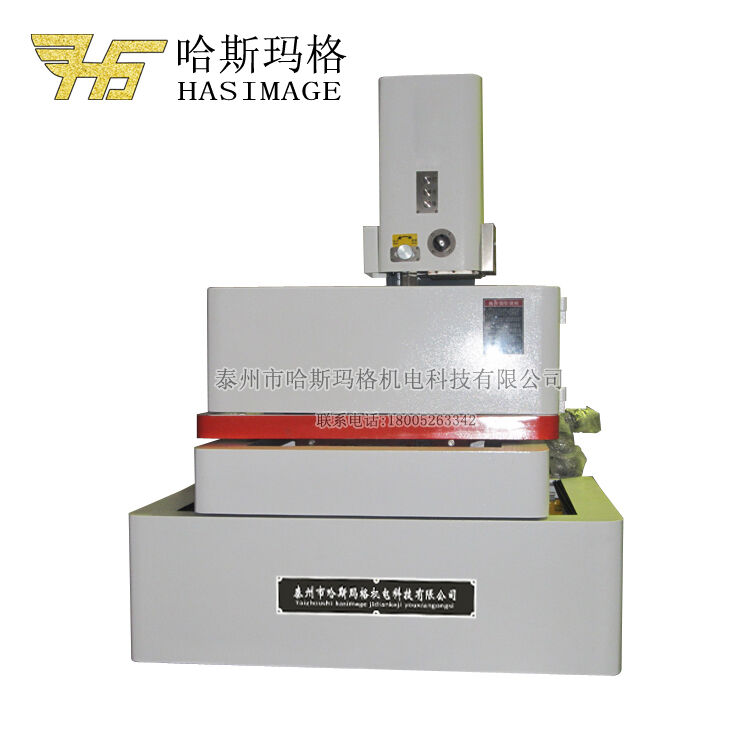
उपयुक्त का चयन करना तार काटने की मशीन आपके उत्पादन संचालन के लिए उपयुक्त तार कटिंग मशीन का चयन करने के लिए उत्पादकता, सटीकता और समग्र संचालन दक्षता को प्रत्यक्ष रूप से प्रभावित करने वाले कई कारकों पर सावधानीपूर्वक विचार करना आवश्यक है। आधुनिक औद्योगिक वातावरण ऐसे उपकरणों की मांग करते हैं जो विविध अनुप्रयोगों में लागत प्रभावीता बनाए रखते हुए निरंतर परिणाम प्रदान कर सकें। विभिन्न तार काटने की मशीन मॉडलों की तकनीकी विशेषताओं, संचालन क्षमताओं और दीर्घकालिक रखरखाव आवश्यकताओं को समझना आपके विशिष्ट उत्पादन लक्ष्यों के अनुरूप जानकारीपूर्ण खरीद निर्णय लेने के लिए आवश्यक हो जाता है।
तार कटिंग मशीन तकनीक को समझना
इलेक्ट्रॉनिक डिस्चार्ज मशीनिंग सिद्धांत
तार विद्युत डिस्चार्ज मशीनिंग चालक सामग्री में जटिल आकृतियों को काटने के लिए उपलब्ध सबसे सटीक निर्माण प्रक्रियाओं में से एक है। तार कटिंग मशीन कामकाजी टुकड़े और लगातार गतिमान तार इलेक्ट्रोड के बीच नियंत्रित विद्युत डिस्चार्ज उत्पन्न करके काम करती है, जिससे सूक्ष्म गुफाएँ बनती हैं जो निर्धारित कटिंग पथ के साथ-साथ धीरे-धीरे सामग्री को हटा देती हैं। यह गैर-संपर्क मशीनिंग प्रक्रिया नाजुक घटकों पर यांत्रिक तनाव को खत्म कर देती है और कई अनुप्रयोगों में ±0.002 इंच तक के सहिष्णुता को प्राप्त करती है।
ईडीएम तार कटिंग का मूलभूत लाभ अपने यांत्रिक गुणों से परवाह किए बिना कठोर सामग्री को मशीन करने की इसकी क्षमता में निहित है। भौतिक बल पर निर्भर पारंपरिक कटिंग विधियों के विपरीत, तार कटिंग मशीन मुलायम एल्यूमीनियम से लेकर कठोर औजार इस्पात तक की सामग्री को समान सटीकता के साथ प्रोसेस कर सकती है। इस क्षमता के कारण ईडीएम का उपयोग इंजेक्शन मोल्ड घटकों, सटीक डाई और जटिल एयरोस्पेस भागों के निर्माण में विशेष रूप से मूल्यवान है, जहां पारंपरिक मशीनिंग विधियां अपर्याप्त या आर्थिक रूप से अव्यावहारिक साबित होती हैं।
वायर इलेक्ट्रोड का चयन और प्रबंधन
किसी भी वायर कटिंग मशीन प्रणाली में वायर इलेक्ट्रोड सामग्री के चयन का कटिंग प्रदर्शन, सतह परिष्करण गुणवत्ता और संचालन लागत पर महत्वपूर्ण प्रभाव पड़ता है। सामान्य उद्देश्य अनुप्रयोगों के लिए पीतल के तार उत्कृष्ट कटिंग गति और स्थिर प्रदर्शन प्रदान करते हैं, जबकि जस्तीकृत तार लंबे मशीनीकरण चक्रों के दौरान बढ़ी हुई कटिंग स्थिरता और तार टूटने की दर में कमी प्रदान करते हैं। कार्बाइड उपकरणों या परिशुद्ध मोल्ड घटकों के मशीनीकरण के दौरान विशेष रूप से उत्कृष्ट सतह परिष्करण गुणवत्ता की आवश्यकता वाले अनुप्रयोगों में तांबे के तार उत्कृष्ट प्रदर्शन करते हैं।
तार का व्यास चयन सीधे तौर पर कटिंग की परिशुद्धता, सामग्री निकालने की दर और जटिल ज्यामिति में प्राप्त होने वाली न्यूनतम त्रिज्या को प्रभावित करता है। पतले तार तंग कोने की त्रिज्या और अधिक जटिल विस्तृत कार्य की अनुमति देते हैं, लेकिन टूटने से बचाने के लिए धीमी कटिंग गति की आवश्यकता हो सकती है। कटिंग प्रक्रिया के दौरान भाग की गुणवत्ता या आयामी सहनशीलता को बाधित कर सकने वाली विचलन-संबंधित त्रुटियों को रोकने और आयामी सटीकता सुनिश्चित करने के लिए तार काटने वाली मशीन को कटिंग प्रक्रिया भर तार तनाव को स्थिर बनाए रखना चाहिए।
ध्यान में रखने योग्य प्रमुख प्रदर्शन विशिष्टताएँ
कटिंग गति और दक्षता मेट्रिक्स
कटिंग गति आपके विशिष्ट अनुप्रयोगों के लिए वायर कटिंग मशीन मॉडलों का आकलन करते समय सबसे महत्वपूर्ण प्रदर्शन संकेतकों में से एक है। आधुनिक EDM प्रणालियाँ 50 से 300 वर्ग मिलीमीटर प्रति मिनट तक की कटिंग गति प्राप्त कर सकती हैं, जो सामग्री की मोटाई, तार के प्रकार और वांछित सतह परिष्करण गुणवत्ता पर निर्भर करती है। उच्च कटिंग गति का सीधा अर्थ है चक्र समय में कमी और उत्पादन मात्रा में वृद्धि, जिससे यह उच्च-मात्रा उत्पादन वातावरण के लिए विशेष रूप से मूल्यवान बन जाता है जहां समय की दक्षता लाभप्रदता को निर्धारित करती है।
सतह की खत्म करने की गुणवत्ता अक्सर कटिंग गति के साथ उलटा सहसंबंध रखती है, जिसमें ऑपरेटरों को उत्पादकता की मांग और गुणवत्ता आवश्यकताओं के बीच संतुलन बनाने की आवश्यकता होती है। एक उच्च-प्रदर्शन वायर कटिंग मशीन में कई कटिंग मोड होने चाहिए जो ऑपरेटरों को विशिष्ट भाग आवश्यकताओं के आधार पर गति और खत्म करने के संबंध को अनुकूलित करने की अनुमति देते हैं। मोटे कटिंग पास बल्क सामग्री को तेजी से हटा सकते हैं, जबकि फिनिश पास अंतिम सतह को आयामी और सौंदर्य विनिर्देशों के अनुरूप लाते हैं बिना ही साइकिल समय दक्षता को कम किए।
सटीकता और शुद्धता की क्षमताएँ
स्थिति निर्धारण की परिशुद्धता तार कटिंग मशीन की जटिल कटिंग संचालन के दौरान आयामी सहन (डायमेंशनल टॉलरेंस) को बनाए रखने की क्षमता निर्धारित करती है। प्रीमियम ईडीएम सिस्टम आमतौर पर ±0.002 इंच या उससे बेहतर स्थिति निर्धारण परिशुद्धता प्राप्त करते हैं, जबकि पुनरावृत्ति विशिष्टताएँ पूरे कार्यक्षेत्र में अक्सर ±0.001 इंच से भी अधिक होती हैं। मोल्ड घटकों, गेज ब्लॉकों या परिशुद्ध माप उपकरणों के निर्माण के दौरान इन परिशुद्धता स्तरों का महत्व बढ़ जाता है, जहाँ आयामी भिन्नताएँ उत्पाद की कार्यप्रणाली को प्रभावित कर सकती हैं।
थर्मल स्थिरता लंबे मशीनिंग चक्रों के दौरान निरंतर सटीकता बनाए रखने में एक महत्वपूर्ण भूमिका निभाती है। तापमान में उतार-चढ़ाव से मशीन के घटकों में विस्तार या संकुचन हो सकता है, जिससे समय के साथ आकार की त्रुटियाँ बढ़ती हैं। उन्नत वायर कटिंग मशीन डिज़ाइन में तापमान क्षतिपूर्ति प्रणाली शामिल होती है जो थर्मल स्थितियों के आधार पर स्वचालित रूप से कटिंग पैरामीटर्स को समायोजित करती है, जिससे वातावरणीय तापमान में बदलाव या लंबे संचालन चक्रों की परवाह किए बिना निरंतर सटीकता सुनिश्चित होती है।
वर्कपीस क्षमता और लचीलेपन की आवश्यकताएं
टेबल का आकार और भार क्षमता
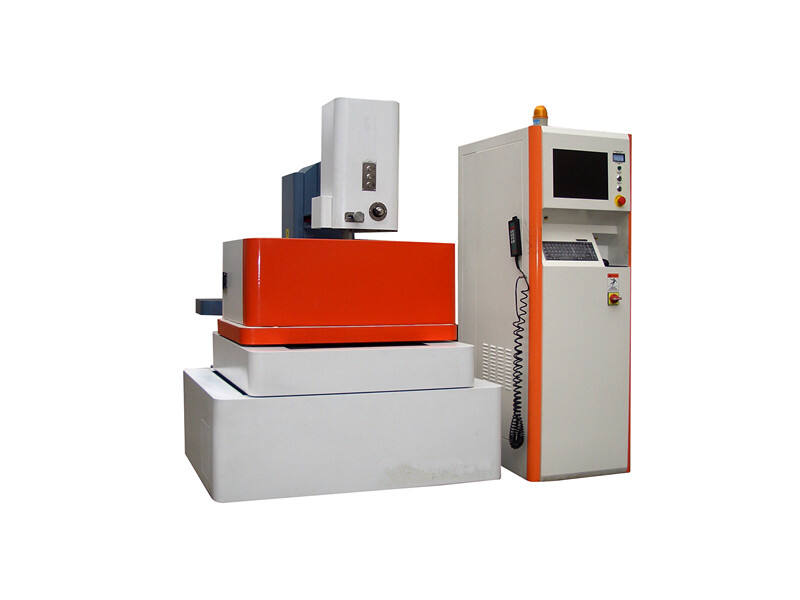
आपके द्वारा चुनी गई तार कटिंग मशीन के कार्यशील आयतन के आयामों में वर्तमान कार्यवस्तु आवश्यकताओं के साथ-साथ भविष्य की अपेक्षित आवश्यकताओं को भी समायोजित करने की क्षमता होनी चाहिए। मेज के आकार आमतौर पर छोटे सटीक भागों के लिए उपयुक्त संकुचित 300mm x 200mm से लेकर बड़े 1000mm x 600mm तक के होते हैं, जो मजबूत ढालना आधार या संरचनात्मक घटकों को संभालने में सक्षम होते हैं। पर्याप्त मेज का आकार बहुविध स्थापनाओं या विशेष फिक्सचर की आवश्यकता को रोकता है, जो आकारीय त्रुटि के अतिरिक्त स्रोत प्रस्तुत कर सकते हैं।
अधिकतम कार्यवस्तु ऊंचाई क्षमता उन भागों की मोटाई सीमा निर्धारित करती है जिन्हें एकल सेटअप में प्रसंस्कृत किया जा सकता है। अधिकांश औद्योगिक वायर कटिंग मशीन मॉडल 150 मिमी से 400 मिमी तक Z-अक्ष यात्रा प्रदान करते हैं, जो मोटी प्लेटों, स्टैक्ड घटकों या लंबे मोल्ड खंडों को वैकल्पिक प्रसंस्करण विधियों की आवश्यकता के बिना मशीनिंग करने में सक्षम बनाता है। वजन क्षमता विशिष्टताओं को आपकी आम कार्यवस्तु आवश्यकताओं के अनुरूप होना चाहिए, क्योंकि मेज़ के अतिभारण से स्थिति निर्धारण की शुद्धता प्रभावित हो सकती है और मशीन घटकों को नुकसान पहुंच सकता है।
मल्टी-एक्सिस क्षमताएं और टेपर कटिंग
उन्नत तार कटिंग मशीन सिस्टम मल्टी-एक्सिस क्षमताएँ प्रदान करते हैं जो टेपर्ड दीवारों, कोणीय सतहों और जटिल त्रि-आयामी ज्यामिति के निर्माण की अनुमति देते हैं, जो पारंपरिक दो-अक्ष विन्यास के साथ संभव नहीं है। चार-अक्ष प्रणाली ±30 डिग्री तक के टेपर कोण उत्पादित कर सकती है, जो इंजेक्शन मोल्ड कोर, एक्सट्रूज़न डाई और विशेष टूलिंग घटकों के निर्माण के लिए आदर्श बनाती है जिनमें ड्राफ्ट कोण या जटिल आकृतियों की आवश्यकता होती है।
समकालिक चार-अक्ष इंटरपोलेशन तार कटिंग मशीन को जटिल ज्यामिति बनाते समय स्थिर कटिंग स्थितियों को बनाए रखने की अनुमति देता है, जिसके परिणामस्वरूप अनुक्रमिक अक्ष गतिविधियों की तुलना में उत्कृष्ट सतह परिष्करण स्थिरता और आयामी सटीकता प्राप्त होती है। जब चर टेपर कोण या संयुक्त वक्र वाले भागों का निर्माण किया जाता है, जिन्हें प्राप्त करने के लिए अन्यथा कई सेटअप या द्वितीयक मशीनिंग ऑपरेशन की आवश्यकता होती है, तो यह क्षमता विशेष रूप से मूल्यवान हो जाती है।
नियंत्रण प्रणाली और प्रोग्रामिंग विशेषताएँ
उपयोगकर्ता इंटरफ़ेस और संचालन में आसानी
आधुनिक तार कतरनी मशीन नियंत्रण प्रणालियों में अंतर्ज्ञानी ग्राफिकल इंटरफ़ेस होते हैं जो विभिन्न कौशल स्तरों वाले तकनीशियनों के लिए प्रोग्रामिंग, सेटअप और संचालन को सरल बनाते हैं। चिह्न-आधारित नेविगेशन के साथ स्पर्श स्क्रीन प्रदर्शन प्रशिक्षण के समय को कम करते हैं और ऑपरेटर त्रुटियों की संभावना को कम करते हैं जिसके परिणामस्वरूप भागों का दोषपूर्ण होना या मशीन को नुकसान हो सकता है। उन्नत प्रणालियों में वास्तविक समय में कतरनी अनुकरण की क्षमता होती है जो ऑपरेटरों को वास्तविक कतरनी संचालन शुरू करने से पहले प्रोग्राम को सत्यापित करने की अनुमति देती है।
एकीकृत सहायता प्रणाली और नैदानिक क्षमताएँ संचालन दक्षता में सुधार करती हैं, जिससे त्रुटि निवारण जानकारी, रखरखाव शेड्यूल और अनुकूलन सिफारिशों तक त्वरित पहुँच प्राप्त होती है। तार कटिंग मशीन नियंत्रण स्पष्ट त्रुटि संदेश और मार्गदर्शित समस्या-समाधान प्रक्रियाएँ प्रदान करें, जिससे ऑपरेटर सामान्य समस्याओं को विशेषज्ञ तकनीकी सहायता के बिना हल कर सकें, इससे बंद रहने का समय कम होता है और उत्पादन शेड्यूल लगातार बना रहता है।
CAD एकीकरण और प्रोग्रामिंग लचीलापन
लोकप्रिय CAD प्रणालियों के साथ चिकनाई से एकीकरण मैनुअल प्रोग्रामिंग कार्यों में होने वाले समय की बचत करता है और ऐसी त्रुटियों की संभावना को कम करता है जो भाग की शुद्धता को प्रभावित कर सकती हैं। आधुनिक तार कटिंग मशीन नियंत्रण DXF, IGES और STEP जैसे मानक फ़ाइल प्रारूपों को स्वीकार करते हैं, जो स्वचालित रूप से अनुकूलित कटिंग पथ उत्पन्न करते हैं जो तार ऑफसेट, सामग्री गुणों और वांछित सतह परिष्करण आवश्यकताओं को ध्यान में रखते हैं।
स्वचालित नेस्टिंग, अवशेष प्रबंधन और कटिंग अनुक्रम अनुकूलन जैसी उन्नत प्रोग्रामिंग सुविधाएँ सामग्री के उपयोग में महत्वपूर्ण सुधार कर सकती हैं और समग्र प्रसंस्करण लागत को कम कर सकती हैं। तार कटिंग मशीन नियंत्रण प्रणाली में लचीली प्रोग्रामिंग विकल्प होने चाहिए जो सरल ज्यामितीय आकृतियों और जटिल बहु-आकृति भागों दोनों को समायोजित कर सके, जबकि पूरे प्रोग्राम निष्पादन के दौरान स्थिर कटिंग गुणवत्ता बनाए रखे।
रखरखाव और परिचालन संबंधी विचार
नियमित रूप से रखरखाव की आवश्यकताएं
नियमित रखरखाव अनुसूची किसी भी तार कटिंग मशीन स्थापना की दीर्घकालिक विश्वसनीयता और प्रदर्शन स्थिरता को सीधे प्रभावित करती है। दैनिक रखरखाव कार्यों में आमतौर पर तार मार्गदर्शिका निरीक्षण, परावैद्युत तरल स्तर की निगरानी और फिल्ट्रेशन प्रणाली का मूल्यांकन शामिल होता है ताकि इष्टतम कटिंग स्थितियाँ सुनिश्चित की जा सकें। साप्ताहिक प्रक्रियाओं में अक्सर तार मार्गदर्शिका के प्रतिस्थापन, इलेक्ट्रोड धारक की सफाई और आयामी सटीकता मानकों को बनाए रखने के लिए प्रमाणीकरण सत्यापन शामिल होता है।
रोकथाम रखरखाव कार्यक्रमों को कटिंग प्रदर्शन को प्रभावित करने या अप्रत्याशित डाउनटाइम का कारण बनने से पहले महत्वपूर्ण घर्षण घटकों को संबोधित करना चाहिए। तार कटिंग मशीन निर्माता को विस्तृत रखरखाव अनुसूची, प्रतिस्थापन भागों की उपलब्धता और तकनीकी सहायता संसाधन प्रदान करने चाहिए जो सुविधा रखरखाव दलों को बुनियादी संचालन आवश्यकताओं के लिए विशेष बाहरी ठेकेदारों की आवश्यकता के बिना नियमित सेवा कार्य करने में सक्षम बनाएं।
उपभोग्य लागत और उपलब्धता
स्वामित्व की कुल लागत का सही आकलन करने के लिए संचालन लागत विश्लेषण में तार इलेक्ट्रोड की खपत, फ़िल्ट्रेशन आवश्यकताओं और डाईलेक्ट्रिक तरल प्रतिस्थापन अंतराल शामिल होने चाहिए। कटिंग अनुप्रयोगों के आधार पर तार की खपत दर में काफी भिन्नता होती है, जिसमें आमतौर पर कटिंग गति, सामग्री के प्रकार और ज्यामिति जटिलता के आधार पर प्रति घंटे 50 से 200 मीटर तक की खपत होती है। तार कटिंग मशीन के डिज़ाइन में कुशल थ्रेडिंग प्रणालियों और स्वचालित तार टूटने की वसूली सुविधाओं के माध्यम से अपशिष्ट को कम से कम करना चाहिए।
परावैद्युत तरल की गुणवत्ता सीधे तौर पर कटिंग प्रदर्शन, इलेक्ट्रोड के क्षरण दर, और प्राप्त करने योग्य सतह परिष्करण गुणवत्ता को प्रभावित करती है। उच्च-प्रदर्शन वाले तार कटिंग मशीन प्रणालियों में उन्नत निस्पंदन और संवेदन प्रणाली शामिल होती हैं जो तरल के जीवन को बढ़ाते हुए स्थिर कटिंग विशेषताओं को बनाए रखती हैं। प्रतिस्थापन फ़िल्टर की उपलब्धता, तरल निपटान प्रक्रियाएँ, और पर्यावरणीय अनुपालन आवश्यकताओं को समग्र संचालन लागत मूल्यांकन और सुविधा योजना विचारों में शामिल करना चाहिए।
सामान्य प्रश्न
तार कटिंग मशीन का उपयोग करके कौन सी सामग्री को प्रसंस्कृत किया जा सकता है?
तार कटिंग मशीनें कठोरता स्तर की परवाह किए बिना किसी भी विद्युत चालक सामग्री को संसाधित कर सकती हैं, जिसमें कठोर उपकरण इस्पात, कार्बाइड, टाइटेनियम मिश्रधातुएँ, एल्यूमीनियम, पीतल, ताँबा और विदेशी सुपरमिश्र शामिल हैं। EDM प्रक्रिया मृदु एनील्ड सामग्री और पूरी तरह से कठोर घटकों पर समान रूप से काम करती है क्योंकि यह यांत्रिक कटिंग बलों के बजाय विद्युत डिस्चार्ज पर निर्भर करती है। केमिकल्स, प्लास्टिक और कंपोजिट जैसी अचालक सामग्री को पारंपरिक वायर EDM तकनीक का उपयोग करके संसाधित नहीं किया जा सकता है।
उत्पादन वातावरण में तार कटिंग मशीनें कितनी सटीकता प्राप्त कर सकती हैं?
आधुनिक तार कटिंग मशीन प्रणालियाँ उचित रखरखाव और संचालन के साथ उत्पादन वातावरण में आमतौर पर ±0.0001 से ±0.0005 इंच की आयामी सहनशीलता प्राप्त करती हैं। स्थिति निर्धारण की सटीकता आमतौर पर मशीन की गुणवत्ता और पर्यावरणीय स्थितियों के आधार पर ±0.0002 से ±0.001 इंच की सीमा में होती है। उचित कटिंग पैरामीटर और तार चयन के साथ सतह परिष्करण की गुणवत्ता Ra मान 0.1 से 0.4 माइक्रोमीटर तक पहुँच सकता है, जिससे EDM को परिशुद्ध टूलिंग और मापन मानक अनुप्रयोगों के लिए उपयुक्त बनाता है।
तार कटिंग मशीन के संचालन लागत को प्रभावित करने वाले कौन से कारक हैं?
प्राथमिक संचालन लागत के कारकों में तार इलेक्ट्रोड की खपत, विद्युत ऊर्जा का उपयोग, परावैद्युत तरल का प्रतिस्थापन, फ़िल्ट्रेशन रखरखाव और सेटअप और संचालन से संबंधित श्रम लागत शामिल हैं। तार की लागत आमतौर पर कुल संचालन व्यय का 15-25% होती है, जबकि बिजली की खपत कटिंग की गति और सामग्री निकासी दरों के आधार पर भिन्न होती है। अनुचित बंद समय को कम करने और विशिष्ट अनुप्रयोगों के लिए कटिंग पैरामीटर को अनुकूलित करने से समग्र लागत दक्षता पर उचित रखरखाव निर्धारण और ऑपरेटर प्रशिक्षण का महत्वपूर्ण प्रभाव पड़ता है।
तार कटिंग मशीन संचालन सीखने में कितना समय लगता है?
मशीनिंग का अनुभव रखने वाले तकनीशियन के लिए बेसिक वायर कटिंग मशीन संचालन 2-4 सप्ताह में सीखा जा सकता है, जबकि उन्नत प्रोग्रामिंग और अनुकूलन कौशल विकसित करने के लिए व्यावहारिक अनुभव के 3-6 महीने की आवश्यकता हो सकती है। पुरानी टेक्स्ट-आधारित प्रणालियों की तुलना में आधुनिक नियंत्रण प्रणालियों में सहज इंटरफेस होते हैं जो सीखने की प्रक्रिया को आसान बनाते हैं। व्यापक प्रशिक्षण कार्यक्रमों में आमतौर पर मशीन संचालन, बेसिक प्रोग्रामिंग, रखरखाव प्रक्रियाएं और समस्या निवारण तकनीकों को शामिल किया जाता है ताकि ऑपरेटर नियमित उत्पादन आवश्यकताओं को स्वतंत्र रूप से संभाल सकें।