EN
EN



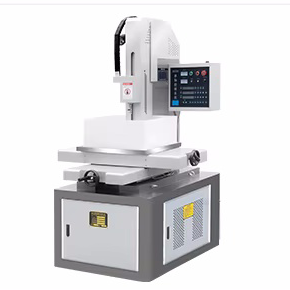
Small hole drilling represents one of the most challenging manufacturing processes in modern industry, demanding exceptional precision and specialized techniques to achieve consistent results. This manufacturing process involves creating holes with diameters typically ranging from 0.1mm to 3mm in various materials including metals, ceramics, and composites. The demand for small hole drilling has grown exponentially across industries such as aerospace, medical devices, electronics, and automotive manufacturing, where precision components require exact specifications for optimal performance.
The complexity of small hole drilling stems from the inherent challenges of working at microscopic scales where traditional machining methods often fall short. Factors such as tool deflection, heat generation, chip evacuation, and surface finish quality become critical considerations that can make or break the success of the drilling operation. Understanding these fundamental challenges is essential for manufacturers seeking to implement effective small hole drilling solutions in their production processes.
Modern manufacturing environments increasingly require holes with aspect ratios exceeding 10:1, meaning the depth of the hole is ten times greater than its diameter. This requirement pushes the boundaries of conventional drilling technology and necessitates advanced techniques and specialized equipment. The precision achievable through small hole drilling can reach tolerances as tight as ±0.005mm, making it indispensable for applications where component functionality depends on exact dimensional accuracy.
Advanced Technologies for Small Hole Drilling
Electrical Discharge Machining in Small Hole Applications
Electrical Discharge Machining (EDM) has emerged as the gold standard for small hole drilling applications requiring exceptional precision and surface quality. EDM technology utilizes controlled electrical discharges between an electrode and workpiece to remove material through thermal erosion, enabling the creation of holes as small as 0.05mm in diameter. This non-contact machining process eliminates mechanical stresses that could cause tool breakage or workpiece distortion, making it ideal for small hole drilling in hardened materials.
The EDM process for small hole drilling involves a continuously rotating tubular electrode that maintains precise positioning while electrical discharges occur at the cutting interface. Dielectric fluid circulation through the hollow electrode ensures efficient chip evacuation and maintains optimal cutting conditions throughout the drilling cycle. This approach allows for consistent hole quality regardless of material hardness, making EDM particularly valuable for small hole drilling in aerospace alloys, tool steels, and exotic materials.
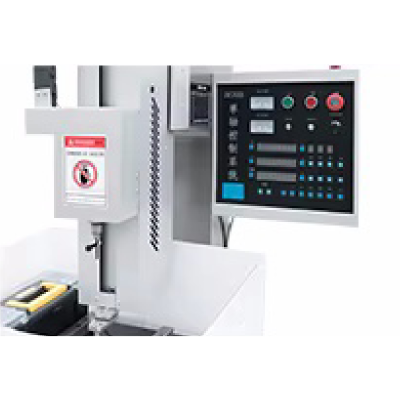
Modern EDM systems incorporate sophisticated control algorithms that automatically adjust discharge parameters based on real-time feedback from the machining process. These adaptive control systems optimize cutting speed while maintaining dimensional accuracy, resulting in small hole drilling operations that achieve remarkable consistency across production runs. The ability to program complex hole geometries and maintain tight tolerances makes EDM an essential technology for precision manufacturing applications.
Laser Drilling Technology Advancements
Laser drilling technology has revolutionized small hole drilling by offering unparalleled speed and flexibility in hole creation. Ultra-short pulse lasers, including femtosecond and picosecond systems, can create holes with diameters as small as 0.01mm while maintaining exceptional edge quality and minimal heat-affected zones. These advanced laser systems enable small hole drilling in materials that are difficult or impossible to machine using conventional methods.
The laser drilling process for small holes typically employs either percussion drilling or trepanning techniques, depending on the required hole characteristics and material properties. Percussion drilling uses repeated laser pulses at a fixed position to gradually remove material, while trepanning involves circular motion to cut the hole perimeter. Both methods can achieve remarkable precision in small hole drilling applications, with the choice depending on factors such as hole depth, diameter, and surface finish requirements.
Beam shaping technologies and advanced optical systems have significantly enhanced the capabilities of laser-based small hole drilling. Techniques such as beam oscillation, temporal pulse shaping, and multi-beam processing enable better control over hole geometry and surface characteristics. These innovations have made laser drilling increasingly competitive with traditional methods for small hole drilling applications requiring high throughput and consistent quality.
Precision Control Methods and Techniques
Vibration Dampening and Stability Enhancement
Achieving precision in small hole drilling requires exceptional stability throughout the machining process, as even microscopic vibrations can significantly impact hole quality and dimensional accuracy. Advanced machine designs incorporate multiple vibration dampening strategies, including isolated foundations, active vibration control systems, and optimized structural designs that minimize dynamic disturbances during small hole drilling operations.
Temperature control plays a crucial role in maintaining precision during small hole drilling, as thermal expansion can cause dimensional variations that exceed acceptable tolerances. Climate-controlled environments and temperature-compensated machine designs help maintain consistent conditions throughout the drilling process. Additionally, coolant systems specifically designed for small hole drilling applications ensure efficient heat removal while providing lubrication to enhance surface finish quality.
High-frequency spindle systems with ceramic bearings have become standard in precision small hole drilling applications, offering superior rotational accuracy and extended service life. These specialized spindles operate at speeds often exceeding 100,000 RPM while maintaining runout tolerances measured in micrometers. The combination of high-speed operation and exceptional accuracy enables small hole drilling processes to achieve surface finishes and dimensional tolerances previously thought impossible.
Real-Time Monitoring and Feedback Systems
Modern small hole drilling systems incorporate sophisticated monitoring technologies that provide real-time feedback on process parameters and hole quality. Vision systems with high-resolution cameras can measure hole dimensions during the drilling process, enabling immediate corrections if deviations from specifications are detected. These monitoring capabilities are essential for maintaining consistent quality in high-volume small hole drilling production environments.
Force monitoring systems detect changes in cutting forces that may indicate tool wear or process irregularities during small hole drilling operations. By analyzing force patterns and trends, these systems can predict when tool replacement is necessary and automatically adjust cutting parameters to maintain optimal performance. This predictive capability minimizes downtime and ensures consistent hole quality throughout production runs.
Acoustic monitoring technologies listen for characteristic sound patterns that indicate normal or abnormal cutting conditions during small hole drilling. Machine learning algorithms analyze these acoustic signatures to identify potential issues before they impact part quality. The integration of multiple monitoring technologies creates a comprehensive quality control system that ensures reliable small hole drilling performance in demanding manufacturing environments.
Material Considerations and Challenges
Machining Hard and Exotic Materials
Small hole drilling in hardened steels, titanium alloys, and superalloys presents unique challenges that require specialized approaches and tooling strategies. These materials exhibit high strength-to-weight ratios and excellent corrosion resistance, making them ideal for aerospace and medical applications, but their machining characteristics demand careful consideration of cutting parameters and tool selection for successful small hole drilling operations.
Work hardening tendencies in materials like stainless steel and Inconel can create significant challenges during small hole drilling, as the material properties change during the cutting process. Specialized cutting strategies, including optimized feed rates and cutting speeds, help minimize work hardening effects while maintaining hole quality. Understanding material behavior under different cutting conditions is essential for developing effective small hole drilling processes for these challenging materials.
Thermal management becomes critical when performing small hole drilling in materials with low thermal conductivity, as heat buildup can cause tool failure and workpiece damage. Advanced cooling strategies, including high-pressure coolant delivery and cryogenic cooling systems, help maintain acceptable temperatures during the drilling process. These thermal control methods are particularly important for small hole drilling applications requiring tight tolerances and excellent surface finish quality.
Composite and Multi-Material Challenges
Small hole drilling in composite materials presents unique challenges due to their heterogeneous structure and tendency toward delamination and fiber pull-out. Carbon fiber reinforced plastics (CFRP) and other advanced composites require specialized drilling strategies that minimize damage to the fiber matrix interface while maintaining dimensional accuracy. The success of small hole drilling in composites depends heavily on understanding the relationship between cutting parameters and material response.
Multi-material assemblies, where small hole drilling must pass through different materials in a single operation, require adaptive strategies that account for varying machining characteristics. The transition between materials can cause tool deflection and changes in cutting forces that impact hole quality and dimensional accuracy. Successful small hole drilling in multi-material applications often requires programmable machining centers capable of automatically adjusting parameters based on material transitions.
Specialized tooling for composite small hole drilling includes diamond-coated drills, carbide tools with optimized geometries, and ultrasonic-assisted drilling systems. These advanced tool technologies help minimize common composite machining problems such as delamination, thermal damage, and dimensional inaccuracy. The selection of appropriate tooling is crucial for achieving successful small hole drilling results in composite materials.
Quality Control and Measurement Techniques
Dimensional Verification Methods
Accurate measurement of small holes requires specialized metrology equipment capable of resolving dimensions at the micrometer level while providing reliable and repeatable results. Coordinate Measuring Machines (CMMs) equipped with high-resolution probe systems can measure hole diameters, positional accuracy, and geometric characteristics with exceptional precision. These measurement capabilities are essential for verifying that small hole drilling operations meet specified tolerances and quality requirements.
Optical measurement systems, including digital microscopes and vision measurement systems, provide non-contact dimensional verification for small hole drilling applications. These systems can measure hole entrance and exit diameters, detect burr formation, and assess surface quality without risk of probe damage or workpiece scratches. The ability to capture and analyze images at high magnification makes optical measurement ideal for quality control in precision small hole drilling operations.
Pneumatic measurement systems offer rapid and accurate dimensional verification for high-volume small hole drilling applications. These systems use controlled air flow through precision nozzles to measure hole diameters based on back-pressure measurements. The speed and accuracy of pneumatic measurement make it particularly valuable for in-process quality control during small hole drilling production runs where rapid feedback is essential for maintaining consistent quality.
Surface Quality Assessment
Surface finish quality in small hole drilling applications significantly impacts part performance, particularly in fluid flow applications where surface roughness can affect flow characteristics and pressure drop. Advanced surface measurement techniques, including confocal microscopy and stylus profilometry, provide detailed analysis of surface texture parameters within drilled holes. These measurement capabilities enable optimization of small hole drilling parameters to achieve specified surface finish requirements.
Roundness and cylindricity measurements are critical for small hole drilling applications where precise geometric form is essential for component function. Specialized measurement equipment can assess form errors and provide detailed analysis of hole geometry throughout the depth of the hole. Understanding these geometric characteristics helps optimize small hole drilling processes and identify potential issues with tooling or machine condition.
Non-destructive testing methods, including eddy current inspection and ultrasonic testing, can detect subsurface defects and crack formation that may result from small hole drilling operations. These inspection techniques are particularly important for critical applications where hole integrity is essential for component reliability and safety. Regular application of NDT methods helps ensure that small hole drilling processes consistently produce defect-free results.
Industrial Applications and Case Studies
Aerospace and Aviation Applications
The aerospace industry relies heavily on precision small hole drilling for manufacturing fuel injection nozzles, cooling holes in turbine blades, and ventilation systems in aircraft components. These applications demand exceptional accuracy and surface finish quality, as even minor deviations from specifications can impact engine performance and fuel efficiency. Small hole drilling in aerospace components often involves exotic materials and requires specialized techniques to achieve the required quality standards.
Turbine blade cooling holes represent one of the most challenging small hole drilling applications in aerospace manufacturing. These holes, often arranged in complex patterns with varying angles and depths, must maintain precise dimensions to ensure proper cooling air flow distribution. The success of small hole drilling in turbine blade applications directly impacts engine operating temperatures and service life, making quality control absolutely critical.
Landing gear components and hydraulic system parts frequently require small hole drilling for oil passages and pressure relief applications. The high-strength materials used in these components, combined with tight tolerance requirements, make small hole drilling a technically demanding process. Advanced EDM and laser drilling technologies have enabled manufacturers to achieve the precision required for these critical aerospace applications.
Medical Device Manufacturing
Medical device manufacturing represents a rapidly growing application area for precision small hole drilling, with requirements for biocompatible materials and exceptional surface finish quality. Surgical instruments, implantable devices, and drug delivery systems all rely on small hole drilling to create precise fluid passages and mounting features. The biocompatibility requirements in medical applications necessitate careful selection of cutting fluids and surface treatment processes.
Catheter manufacturing requires small hole drilling to create side holes for fluid delivery and drainage applications. These holes must maintain precise dimensions and smooth surfaces to ensure proper flow characteristics and minimize tissue trauma during medical procedures. The materials used in catheter production, including various polymers and metal alloys, require specialized small hole drilling techniques optimized for each material type.
Orthopedic implants often incorporate small holes for bone ingrowth and screw attachment points that require exceptional precision and surface quality. The biocompatible materials used in these applications, such as titanium alloys and ceramic composites, present unique challenges for small hole drilling operations. Success in medical device small hole drilling requires understanding both the technical machining requirements and the biological compatibility considerations.
Future Trends and Technological Developments
Automation and Industry 4.0 Integration
The future of small hole drilling lies in increased automation and integration with Industry 4.0 technologies that enable intelligent manufacturing processes. Automated tool changing systems, robotic part handling, and intelligent process monitoring are transforming small hole drilling from a labor-intensive operation into a fully automated manufacturing process. These developments are enabling higher throughput and improved consistency in small hole drilling applications.
Artificial intelligence and machine learning technologies are beginning to impact small hole drilling through predictive maintenance systems and adaptive process control algorithms. These systems can analyze vast amounts of process data to optimize cutting parameters in real-time and predict when maintenance or tool changes are required. The integration of AI technologies promises to further enhance the precision and reliability of small hole drilling operations.
Digital twin technology is emerging as a powerful tool for optimizing small hole drilling processes through virtual simulation and modeling. These digital representations of physical drilling systems enable manufacturers to test process parameters and predict outcomes before implementing changes on actual production equipment. The ability to simulate and optimize small hole drilling processes virtually reduces development time and improves process reliability.
Advanced Material Processing Capabilities
Emerging materials, including advanced ceramics, metal matrix composites, and additive manufacturing materials, are creating new challenges and opportunities for small hole drilling technology. These materials often exhibit unique machining characteristics that require development of specialized drilling techniques and tooling solutions. The ability to successfully perform small hole drilling in these advanced materials will become increasingly important as their use expands across industries.
Hybrid manufacturing processes that combine additive and subtractive manufacturing techniques are creating new possibilities for small hole drilling applications. These processes may involve drilling holes in additively manufactured parts or creating complex internal geometries that would be impossible with traditional manufacturing methods. The integration of small hole drilling with additive manufacturing opens new design possibilities for complex components.
Nanotechnology and microscale manufacturing are pushing the boundaries of small hole drilling toward even smaller dimensions and tighter tolerances. Techniques such as focused ion beam drilling and electron beam machining are enabling hole creation at the nanometer scale for specialized applications in electronics and biotechnology. These emerging technologies represent the future frontier of ultra-precision small hole drilling.
FAQ
What materials are best suited for small hole drilling applications?
Small hole drilling can be successfully performed on a wide range of materials, with the choice of drilling method depending on material properties. Metals such as aluminum, stainless steel, and titanium alloys are commonly drilled using EDM or conventional drilling techniques. Hard materials like ceramics and hardened steels often require EDM or laser drilling for optimal results. Composite materials and plastics can be drilled using specialized tools and techniques designed to minimize delamination and thermal damage.
How do you maintain accuracy when drilling holes with high aspect ratios?
Maintaining accuracy in high aspect ratio small hole drilling requires careful attention to tool rigidity, machine stability, and cutting parameters. EDM technology is particularly effective for deep hole drilling as it eliminates mechanical cutting forces that can cause tool deflection. Proper workpiece support, optimal cutting speeds and feeds, and effective chip evacuation are essential for maintaining hole straightness and dimensional accuracy. Real-time monitoring systems help detect and correct deviations during the drilling process.
What are the typical tolerances achievable with modern small hole drilling techniques?
Modern small hole drilling techniques can achieve remarkably tight tolerances depending on the drilling method and application requirements. EDM drilling can typically achieve diameter tolerances of ±0.005mm to ±0.01mm, while laser drilling can achieve similar or better accuracy depending on material and hole size. Position tolerances of ±0.02mm are commonly achievable with properly calibrated equipment. Surface finish quality can range from Ra 0.2 to Ra 1.0 micrometers depending on the drilling method and post-processing requirements.
How do you select the appropriate drilling method for a specific application?
Selecting the appropriate small hole drilling method requires consideration of multiple factors including material type, hole size and depth, tolerance requirements, surface finish specifications, and production volume. EDM drilling excels for hard materials and complex geometries but has slower material removal rates. Laser drilling offers high speed and flexibility but may have limitations with certain materials. Conventional drilling with specialized tools can be cost-effective for softer materials and larger production volumes. A thorough analysis of application requirements and material properties guides the selection of the optimal drilling method.
Table of Contents
- Advanced Technologies for Small Hole Drilling
- Precision Control Methods and Techniques
- Material Considerations and Challenges
- Quality Control and Measurement Techniques
- Industrial Applications and Case Studies
- Future Trends and Technological Developments
-
FAQ
- What materials are best suited for small hole drilling applications?
- How do you maintain accuracy when drilling holes with high aspect ratios?
- What are the typical tolerances achievable with modern small hole drilling techniques?
- How do you select the appropriate drilling method for a specific application?