EN
EN



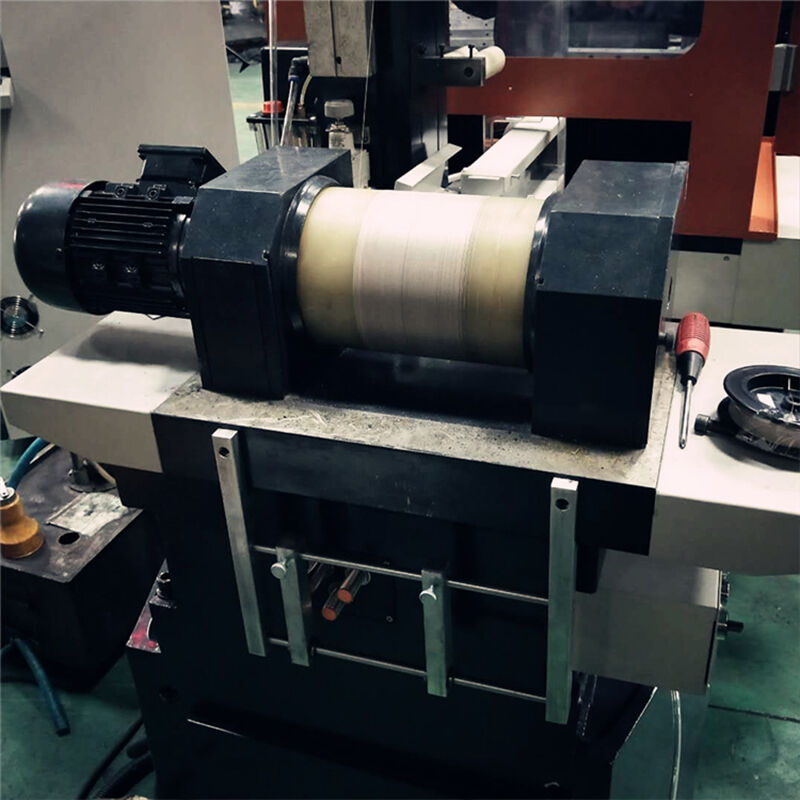
Modern manufacturing has undergone a revolutionary transformation with the introduction of advanced machining technologies. Among these innovations, CNC cutting has emerged as a cornerstone technology that drives precision, efficiency, and reliability across diverse industrial sectors. This computer-controlled manufacturing process has fundamentally changed how components are produced, offering unprecedented accuracy and repeatability that traditional machining methods simply cannot match. The integration of CNC cutting systems in manufacturing facilities has enabled companies to achieve higher production standards while reducing operational costs and minimizing material waste.
The adoption of CNC cutting technology represents a strategic investment for manufacturers seeking to maintain competitive advantages in today's demanding marketplace. This sophisticated manufacturing approach combines computer programming with mechanical precision to deliver consistent results across various materials and applications. From aerospace components to medical devices, CNC cutting systems provide the reliability and accuracy that modern industries require to meet stringent quality standards and regulatory requirements.
Understanding CNC Cutting Technology
Fundamental Principles of Computer-Controlled Machining
CNC cutting operates on the principle of computer numerical control, where pre-programmed software dictates the movement of cutting tools and machinery. This automated approach eliminates human error variables while ensuring consistent execution of complex machining operations. The technology utilizes sophisticated algorithms to calculate optimal cutting paths, feed rates, and tool selections based on material properties and desired outcomes. Modern CNC cutting systems integrate multiple sensors and feedback mechanisms that continuously monitor cutting conditions and make real-time adjustments to maintain optimal performance throughout the machining process.
The precision achieved through CNC cutting stems from its ability to execute movements with micron-level accuracy. Unlike manual machining operations that depend on operator skill and experience, computer-controlled systems maintain consistent positioning and cutting parameters regardless of production volume or complexity. This technological foundation enables manufacturers to produce intricate geometries and tight tolerances that would be impossible or economically unfeasible using conventional machining methods.
Advanced Software Integration and Programming
The software component of CNC cutting systems represents the intelligence behind automated manufacturing operations. Computer-aided design and manufacturing programs translate engineering drawings into executable machine code, defining every aspect of the cutting process from initial positioning to final finishing operations. These sophisticated programs optimize cutting sequences to minimize tool changes, reduce cycle times, and maximize material utilization while maintaining quality standards.
Programming flexibility allows CNC cutting systems to adapt quickly to changing production requirements without extensive setup modifications. Engineers can simulate cutting operations virtually before actual production begins, identifying potential issues and optimizing parameters to ensure successful outcomes. This capability significantly reduces development time and material waste while improving overall manufacturing efficiency.
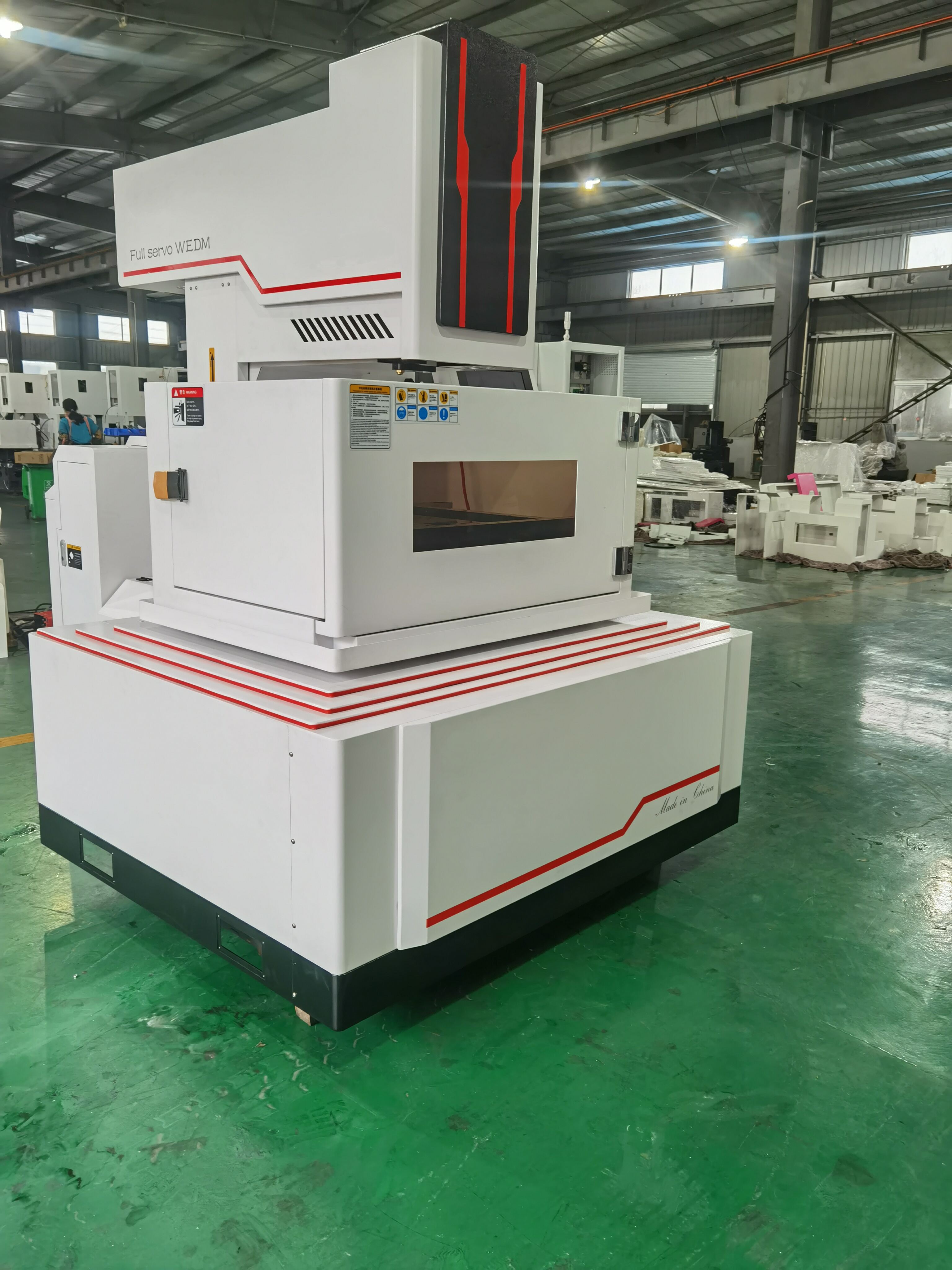
Precision and Accuracy Advantages
Achieving Exceptional Dimensional Accuracy
The precision capabilities of CNC cutting systems far exceed those of traditional machining methods, consistently delivering dimensional accuracy within extremely tight tolerances. Modern systems can maintain positional accuracy of ±0.001 inches or better across complex three-dimensional geometries, enabling the production of components that meet the most demanding specifications. This level of precision is particularly crucial in industries such as aerospace, medical devices, and precision instrumentation where component accuracy directly impacts performance and safety.
Repeatability represents another critical advantage of CNC cutting technology, ensuring that every component produced matches the original specifications exactly. This consistency eliminates variations that commonly occur in manual machining operations, reducing quality control requirements and minimizing rejection rates. The ability to reproduce identical components reliably supports lean manufacturing principles and enables efficient production scaling without compromising quality standards.
Surface Finish Quality and Consistency
CNC cutting systems excel at producing superior surface finishes that often eliminate the need for secondary finishing operations. The controlled cutting environment and optimized tool paths result in consistent surface textures and minimal tool marks, reducing post-processing requirements and associated costs. Advanced CNC cutting systems incorporate adaptive feed rate control and vibration dampening technologies that further enhance surface quality while extending tool life.
The ability to maintain consistent surface finishes across entire production runs provides significant advantages in applications where aesthetics and functionality are equally important. This capability is particularly valuable in consumer products, automotive components, and architectural applications where visual appearance and performance characteristics must meet specific standards throughout the product lifecycle.
Enhanced Production Efficiency
Reduced Setup Times and Changeover Efficiency
CNC cutting systems significantly reduce setup times compared to conventional machining operations through automated tool changing, programmable work holding systems, and stored machining parameters. Once programs are developed and validated, operators can initiate production runs with minimal manual intervention, dramatically reducing the time required to transition between different components or production batches. This efficiency gain is particularly pronounced in high-mix, low-volume production environments where frequent changeovers are necessary.
The standardization inherent in CNC cutting operations eliminates much of the trial-and-error associated with manual setup procedures. Proven cutting parameters can be stored and recalled instantly, ensuring optimal performance from the first component produced. This reliability reduces startup waste and enables manufacturers to respond quickly to changing customer demands without sacrificing quality or efficiency.
Maximizing Machine Utilization and Throughput
Advanced CNC cutting systems operate with minimal supervision, enabling continuous production during extended shifts and unmanned operations. Automated tool monitoring, adaptive cutting controls, and integrated quality inspection systems allow machines to operate safely and productively with reduced operator intervention. This capability significantly improves overall equipment effectiveness and enables manufacturers to maximize production capacity from existing assets.
The integration of predictive maintenance technologies in modern CNC cutting systems further enhances operational efficiency by identifying potential issues before they impact production. Condition monitoring sensors track critical parameters such as spindle vibration, cutting forces, and thermal conditions, enabling proactive maintenance scheduling that minimizes unplanned downtime and extends equipment life.
Cost-Effectiveness and Economic Benefits
Labor Cost Reduction and Skill Optimization
CNC cutting technology transforms labor requirements from skilled manual machining to programming and monitoring activities, enabling manufacturers to optimize workforce deployment and reduce dependency on scarce skilled machinists. While initial programming requires expertise, the automated nature of CNC cutting operations allows less experienced operators to oversee multiple machines simultaneously, improving labor productivity and reducing per-unit labor costs.
The standardization of CNC cutting processes reduces training requirements and enables faster operator development compared to traditional machining skills. This advantage is particularly important in regions where skilled manufacturing labor is limited or expensive, allowing companies to maintain competitive production costs while meeting quality requirements.
Material Waste Minimization and Yield Optimization
CNC cutting systems optimize material utilization through precise cutting paths and nesting algorithms that minimize waste generation. Advanced programming software calculates optimal part layouts and cutting sequences to maximize material yield while maintaining quality standards. This optimization capability is particularly valuable when working with expensive materials such as titanium, inconel, or specialized alloys commonly used in aerospace and medical applications.
The precision of CNC cutting operations reduces the need for oversized material allowances typically required in manual machining to accommodate potential errors. This capability enables manufacturers to purchase materials closer to finished dimensions, reducing material costs and inventory requirements while maintaining production flexibility.
Quality Control and Consistency
Integrated Inspection and Measurement Systems
Modern CNC cutting systems increasingly incorporate integrated measurement and inspection capabilities that verify component dimensions and quality characteristics during the machining process. In-process probing systems can measure critical dimensions automatically, making adjustments as necessary to maintain tolerance requirements throughout production runs. This real-time quality control capability reduces the need for separate inspection operations while ensuring consistent quality outcomes.
The data collection capabilities of CNC cutting systems provide comprehensive documentation of manufacturing processes and quality metrics, supporting quality management systems and regulatory compliance requirements. This traceability is essential in industries such as aerospace, medical devices, and automotive where component history and manufacturing documentation are critical for safety and liability purposes.
Statistical Process Control and Continuous Improvement
CNC cutting systems generate detailed production data that enables statistical process control and continuous improvement initiatives. Manufacturing engineers can analyze cutting parameters, tool performance, and quality metrics to identify optimization opportunities and implement process improvements systematically. This data-driven approach to manufacturing excellence enables companies to achieve world-class quality standards while continuously reducing costs and improving efficiency.
The repeatability of CNC cutting processes provides a stable foundation for implementing lean manufacturing principles and six sigma quality initiatives. Process variations are minimized through automation, enabling quality improvement efforts to focus on systematic issues rather than random variations commonly associated with manual operations.
Versatility and Adaptability
Multi-Material Compatibility and Processing Capabilities
CNC cutting technology demonstrates remarkable versatility in processing diverse materials ranging from soft plastics and composites to hardened steels and exotic alloys. This adaptability stems from programmable cutting parameters that can be optimized for specific material properties and machining requirements. Advanced CNC cutting systems incorporate adaptive controls that automatically adjust cutting conditions based on real-time feedback, ensuring optimal performance across different materials without manual intervention.
The ability to process multiple materials on the same equipment platform provides significant advantages for manufacturers serving diverse markets or producing complex assemblies requiring different material types. This flexibility reduces capital equipment requirements while enabling rapid response to changing customer needs and market opportunities.
Complex Geometry and Multi-Axis Machining
Advanced CNC cutting systems enable the production of complex three-dimensional geometries that would be impossible or extremely difficult to achieve using conventional machining methods. Multi-axis capabilities allow cutting tools to approach workpieces from virtually any angle, enabling the machining of intricate internal features, compound angles, and sculptured surfaces in single setups. This capability eliminates multiple operations and work holding requirements while improving accuracy and reducing production time.
The programming sophistication of modern CNC cutting systems enables simultaneous multi-axis movements that optimize cutting efficiency while maintaining surface quality. Tool path optimization algorithms calculate optimal cutting strategies that minimize machining time while avoiding collisions and maintaining specified tolerances throughout complex operations.
Future-Proofing Manufacturing Operations
Integration with Industry 4.0 Technologies
CNC cutting systems serve as foundational elements in smart manufacturing initiatives, providing the connectivity and data generation capabilities required for Industry 4.0 implementations. Modern systems incorporate ethernet connectivity, cloud-based monitoring, and machine learning algorithms that enable predictive analytics and autonomous optimization. This technological integration positions manufacturers to benefit from emerging technologies while maintaining competitive advantages in evolving markets.
The scalability of CNC cutting technology enables manufacturers to expand capabilities gradually as business requirements grow, avoiding large capital investments while maintaining operational flexibility. Modular system designs allow for incremental capacity additions and technology upgrades without disrupting existing operations.
Sustainability and Environmental Considerations
CNC cutting technology supports sustainability initiatives through improved material utilization, reduced energy consumption, and minimized waste generation. The precision of computer-controlled operations reduces rework requirements and material waste while optimized cutting parameters minimize energy consumption compared to less efficient manual operations. These environmental benefits align with corporate sustainability goals while providing economic advantages through reduced resource consumption.
The longevity and reliability of CNC cutting equipment provide sustainable manufacturing solutions that reduce the need for frequent equipment replacement while maintaining consistent performance over extended service lives. This durability supports both environmental and economic sustainability objectives by maximizing asset utilization and minimizing lifecycle costs.
FAQ
How does CNC cutting compare to traditional machining methods in terms of accuracy
CNC cutting provides significantly higher accuracy than traditional machining methods, typically achieving tolerances of ±0.001 inches or better compared to ±0.005 inches or more for manual operations. The computer-controlled nature eliminates human error variables while providing consistent repeatability across entire production runs. This precision advantage becomes more pronounced with complex geometries and tight tolerance requirements where manual machining becomes increasingly difficult and unreliable.
What types of materials can be processed using CNC cutting systems
CNC cutting systems can process virtually any machinable material including metals, plastics, composites, ceramics, and wood products. Common materials include aluminum, steel, stainless steel, titanium, brass, copper, various plastics, and engineered composites. The key requirement is that the material must be rigid enough to maintain dimensional stability during cutting operations and compatible with available cutting tools and techniques.
How long does it take to set up and program a CNC cutting operation
Setup and programming time varies significantly based on part complexity, but simple components can often be programmed and set up within 30 minutes to 2 hours. Complex parts requiring multiple operations may take several hours or days for initial programming, but once established, programs can be recalled and executed with minimal setup time for repeat production. The investment in initial programming pays dividends through reduced setup times for future production runs.
What are the main factors that determine CNC cutting costs
Primary cost factors include material costs, machining time, tooling requirements, setup complexity, and production volume. Programming costs are typically amortized across production quantities, making CNC cutting more cost-effective for larger volumes. Additional factors include material waste, surface finish requirements, tolerance specifications, and any secondary operations needed. Overall costs are often lower than traditional methods when considering quality, consistency, and reduced labor requirements.