EN
EN



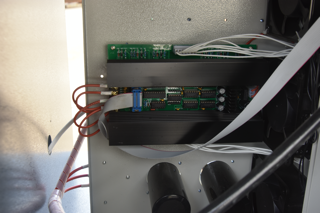
An EDM drilling machine is a precision tool used to create small, deep holes in hardened metals and conductive materials that conventional cutting methods cannot reach. As industrial demands for tighter tolerances and faster cycle times grow, manufacturers are turning to automation to extract more output from every EDM drilling machine on the shop floor. Automation does not simply add speed — it transforms how an EDM drilling machine performs across every stage of a production run.
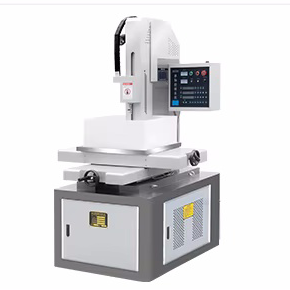
Understanding exactly how automation enhances EDM drilling machine efficiency requires looking at the core operational challenges these machines face — electrode wear, inconsistent feed rates, manual repositioning, and unplanned downtime. Each of these challenges limits how productive an EDM drilling machine can be in a high-mix or high-volume environment. Automation addresses every one of these pain points through intelligent control systems, adaptive feedback loops, and seamless machine integration that keep each EDM drilling machine running at peak capacity.
Automated Electrode Management in an EDM Drilling Machine
Controlled Electrode Feed and Wear Compensation
One of the most critical variables in any EDM drilling machine operation is the rate at which the electrode wears during the spark erosion process. Manual operators must periodically check electrode length and adjust feed parameters, which introduces variation and idle time. An automated EDM drilling machine uses real-time sensor feedback to monitor electrode consumption continuously and compensate for wear without human intervention. This means the EDM drilling machine maintains a stable spark gap at all times, ensuring uniform hole quality across every workpiece in the batch.
Automated feed control also prevents electrode breakage, which is a common cause of costly rework and machine stoppages. When the EDM drilling machine detects abnormal resistance or gap conditions, the control system adjusts servo parameters instantly. This level of responsiveness is impossible with manual oversight alone, and it is one of the clearest ways automation improves EDM drilling machine output per shift.
Automatic Electrode Replacement Systems
Advanced automation setups pair an EDM drilling machine with an electrode changer magazine, allowing the machine to swap spent electrodes for fresh ones without operator involvement. A single EDM drilling machine equipped with this capability can continue drilling through lights-out shifts, weekends, or periods when skilled operators are unavailable. The EDM drilling machine selects the correct electrode diameter from the magazine, confirms the tool, and resumes the program — all within seconds. This removes one of the most labor-intensive tasks from the EDM drilling machine workflow and dramatically reduces cost per hole.
CNC Control Systems and Process Consistency
How CNC Automation Drives EDM Drilling Machine Precision
A modern EDM drilling machine relies on a CNC controller to translate programmed coordinates into precise axis movements and discharge parameters. Without automation, operators must manually set positions, depths, and flushing conditions for each hole, which increases the risk of human error. When a fully automated EDM drilling machine executes a CNC program, it reproduces the same hole geometry, depth, and surface finish repeatedly across thousands of cycles. The CNC system in an EDM drilling machine also manages dielectric fluid pressure, on-time and off-time pulse settings, and axis speed — all variables that directly influence efficiency and part quality.
Automated CNC programs stored in the EDM drilling machine controller eliminate the setup time required when switching between part designs. An operator can call up a saved program, load the correct fixture and electrode, and the EDM drilling machine begins producing conforming parts within minutes. This rapid changeover capability means the EDM drilling machine spends more time cutting and less time waiting, which raises overall equipment effectiveness across the production floor.
Adaptive Control and Real-Time Process Adjustment
The most advanced automation layer available for an EDM drilling machine is adaptive control, which monitors discharge conditions in real time and modifies pulse parameters on the fly. If the EDM drilling machine encounters a change in material hardness, a blocked flushing port, or an unstable arc, the adaptive system responds before the condition causes a defect. This closed-loop approach keeps the EDM drilling machine operating within optimal discharge windows without requiring the operator to intervene. The result is a measurable reduction in scrap rates and a consistent improvement in EDM drilling machine cycle time.
Integration, Scheduling, and Reduced Downtime
Linking an EDM Drilling Machine to Production Scheduling Systems
Automation extends beyond the EDM drilling machine itself when the machine is connected to a factory-level manufacturing execution system. A networked EDM drilling machine receives job orders, confirms material availability, and reports completion status automatically. This integration eliminates the delays caused by manual paperwork, verbal communication, and physical job cards that slow traditional EDM drilling machine workflows. When each EDM drilling machine on the floor reports its status digitally, production managers can balance workloads, predict maintenance windows, and avoid bottlenecks before they occur.
Scheduled maintenance alerts generated by the EDM drilling machine control system ensure that preventive service happens on time rather than after a failure. An EDM drilling machine that tracks its own spindle hours, dielectric filter condition, and electrode count can alert technicians to service needs without production interruption. This predictive approach keeps every EDM drilling machine available for scheduled production time and prevents the unplanned stoppages that destroy shift efficiency.
Fixture Automation and Multi-Part Setups
Automated fixturing systems allow an EDM drilling machine to process multiple workpieces in a single setup, reducing the per-part handling time significantly. A pallet-based EDM drilling machine configuration loads a series of pre-fixtured parts onto the machine table, and the control system sequences drilling operations across all of them without manual repositioning. Each EDM drilling machine cycle begins and ends with automated confirmation of part position, ensuring that every hole is placed accurately. This approach multiplies the effective capacity of each EDM drilling machine without requiring additional floor space or headcount.
FAQ
What types of automation are most valuable for an EDM drilling machine?
The highest-value automation for an EDM drilling machine includes automated electrode changers, CNC program management, adaptive discharge control, and integration with factory scheduling systems. Together, these systems maximize the uptime and output quality of each EDM drilling machine.
Does automation reduce the skill requirement for operating an EDM drilling machine?
Automation simplifies routine tasks on an EDM drilling machine, but skilled operators remain essential for programming, fixture design, and process optimization. The EDM drilling machine becomes more capable with automation, but human expertise ensures that capability is fully utilized.
How does automation affect the long-term cost of running an EDM drilling machine?
Automation reduces the long-term cost of an EDM drilling machine by lowering scrap rates, minimizing electrode waste, extending machine uptime, and reducing labor hours per part. Over time, an automated EDM drilling machine delivers a lower cost per hole and a stronger return on capital investment.