EN
EN



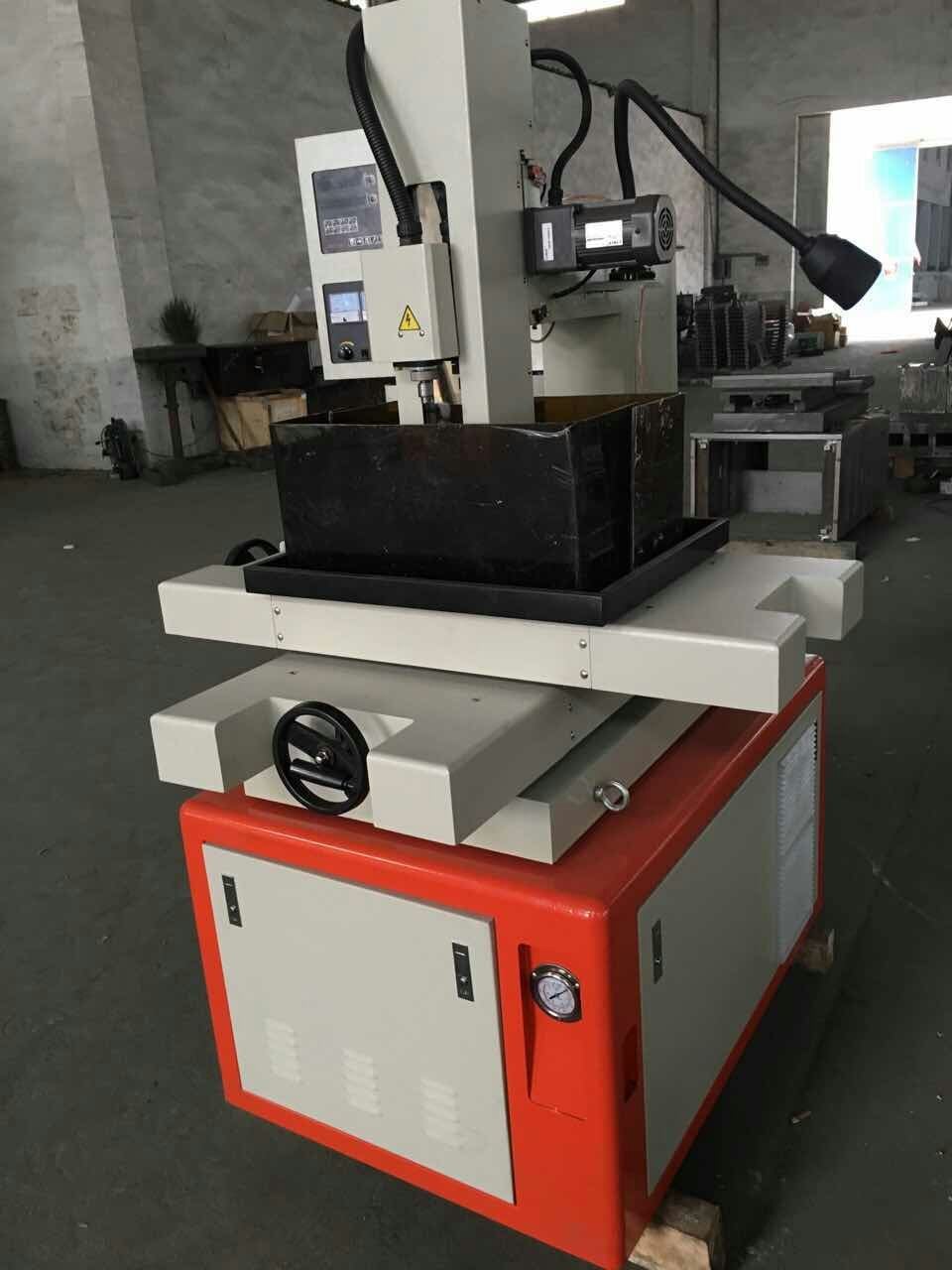
EDM drilling is one of the most effective methods for producing small, precise holes in hard and conductive materials. Whether you are working with hardened tool steel, titanium, or exotic alloys, EDM drilling delivers accuracy that conventional mechanical drilling simply cannot match. Understanding how to optimize EDM drilling performance is essential for manufacturers seeking both speed and dimensional precision in their operations.
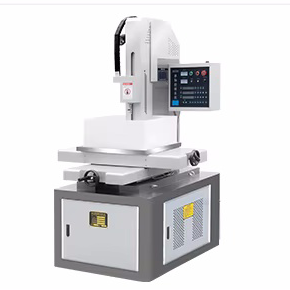
Optimizing EDM drilling requires more than simply pressing start on a machine. It involves carefully selecting parameters, managing electrode wear, maintaining dielectric fluid quality, and understanding the relationship between power settings and surface finish. This guide covers the most actionable tips to help you get the best results from every EDM drilling cycle, whether you are running a single prototype or a high-volume production job.
Mastering EDM Drilling Parameters for Better Speed
Choosing the Right Power and Frequency Settings
One of the most influential factors in EDM drilling speed is the discharge energy setting. Higher discharge energy removes material faster, but it also increases electrode wear and can compromise hole quality. In EDM drilling, finding the right balance between pulse-on time and pulse-off time is critical. Longer pulse-on time delivers more energy per discharge, which boosts material removal rate in EDM drilling but may produce a rougher surface finish.
For roughing operations in EDM drilling, start with higher discharge energy and progressively reduce it as you approach the final dimension. This layered approach is especially useful in EDM drilling of deep holes, where maintaining stable arcing conditions becomes more challenging. Adjusting the servo feed sensitivity also helps maintain a consistent gap, which keeps EDM drilling speed steady throughout the cut.
Electrode Selection and Its Role in EDM Drilling Speed
The electrode material directly affects how fast and accurately EDM drilling proceeds. Brass tubes are the most commonly used electrodes in EDM drilling because they offer a good balance of conductivity, machinability, and flushing performance. Copper electrodes can improve surface finish in EDM drilling but tend to wear faster under high-energy conditions. Tungsten electrodes are preferred for extremely fine-diameter EDM drilling where wear resistance is the priority.
Electrode diameter also matters significantly. In EDM drilling, using the smallest electrode that still meets your hole tolerance requirements reduces the volume of material that needs to be eroded, which can speed up cycle time. Always verify electrode concentricity before starting EDM drilling to prevent tapered or off-center holes that require secondary correction.
Improving Precision in EDM Drilling Operations
Dielectric Fluid Management for Cleaner Cuts
Dielectric fluid plays a dual role in EDM drilling: it insulates between discharges and flushes away eroded particles. Poor flushing in EDM drilling leads to re-ignition of debris particles, which causes secondary discharges that deteriorate hole accuracy and create taper. Maintaining high-pressure flushing through the electrode is one of the most effective ways to improve EDM drilling precision.
In EDM drilling of deep holes, consider increasing flushing pressure progressively as hole depth increases. This compensates for the longer path that debris must travel to exit the hole. Regularly monitoring dielectric fluid conductivity is also important in EDM drilling, since contaminated fluid reduces insulation performance and leads to unstable discharges that affect dimensional repeatability.
Workpiece Fixturing and Machine Calibration
Precision in EDM drilling starts before the machine is even turned on. Proper fixturing ensures the workpiece remains perfectly stable throughout the EDM drilling cycle. Any vibration or movement during EDM drilling can cause positional deviation, enlarged hole diameter, or surface irregularities. Use dedicated fixtures designed for EDM drilling whenever possible, particularly for multi-hole patterns where positional accuracy is critical.
Machine calibration is equally important in EDM drilling. Periodically verify the alignment of the spindle axis and the accuracy of the positioning system. In high-precision EDM drilling applications, even minor misalignment can cause systematic errors across a batch of parts. Thermal compensation features, available on advanced EDM drilling machines, help maintain accuracy over long production runs by accounting for thermal expansion in both the machine and the workpiece.
Practical Tips to Sustain EDM Drilling Performance Over Time
Preventive Maintenance for EDM Drilling Machines
Consistent EDM drilling performance depends heavily on machine condition. The EDM drilling machine requires regular maintenance of its power supply, servo system, and flushing circuit to sustain peak output. Worn seals in the flushing system can reduce flushing pressure, which directly degrades EDM drilling hole quality. Replacing dielectric filters on schedule prevents contamination buildup that shortens machine life and increases cycle variability.
Inspect electrode guide assemblies frequently in EDM drilling setups. A worn or damaged guide causes lateral play in the electrode, which widens holes and reduces positional accuracy in EDM drilling. Keeping a maintenance log for your EDM drilling machine allows you to identify patterns in performance degradation and schedule interventions before problems escalate.
Process Monitoring and Continuous Improvement
Advanced EDM drilling setups benefit from real-time process monitoring. Tracking discharge waveforms during EDM drilling reveals whether arcing, short-circuiting, or unstable conditions are developing. Early detection allows operators to adjust parameters before scrap parts are produced. Modern EDM drilling machines often include adaptive control features that automatically adjust gap voltage and servo feed to maintain stable discharge conditions.
Documenting parameter settings for each EDM drilling job creates a valuable knowledge base. When a particular EDM drilling application produces excellent results, recording the exact settings makes it easy to replicate performance on future jobs. Over time, this EDM drilling process library reduces setup time and improves first-part quality, which has a measurable positive impact on overall productivity.
FAQ
What materials are best suited for EDM drilling?
EDM drilling works on any electrically conductive material. It is especially well-suited for hardened steels, carbide, titanium, Inconel, and other high-strength alloys where conventional drilling is impractical. The harder the material, the more EDM drilling outperforms mechanical methods in terms of tool life and hole quality.
How does hole depth affect EDM drilling accuracy?
As hole depth increases in EDM drilling, flushing efficiency decreases and debris accumulation becomes more problematic. This can cause taper, enlarged diameter, and positional drift. Using high-pressure through-electrode flushing and reducing discharge energy at greater depths helps maintain EDM drilling accuracy in deep-hole applications.
How often should electrodes be replaced during EDM drilling?
Electrode replacement frequency in EDM drilling depends on the material being drilled, hole depth, and discharge energy used. In general, monitor electrode length regularly and replace when wear exceeds your tolerance threshold. Many EDM drilling operators establish a standard replacement interval based on the number of holes drilled per electrode to ensure consistent dimensional output.