EN
EN



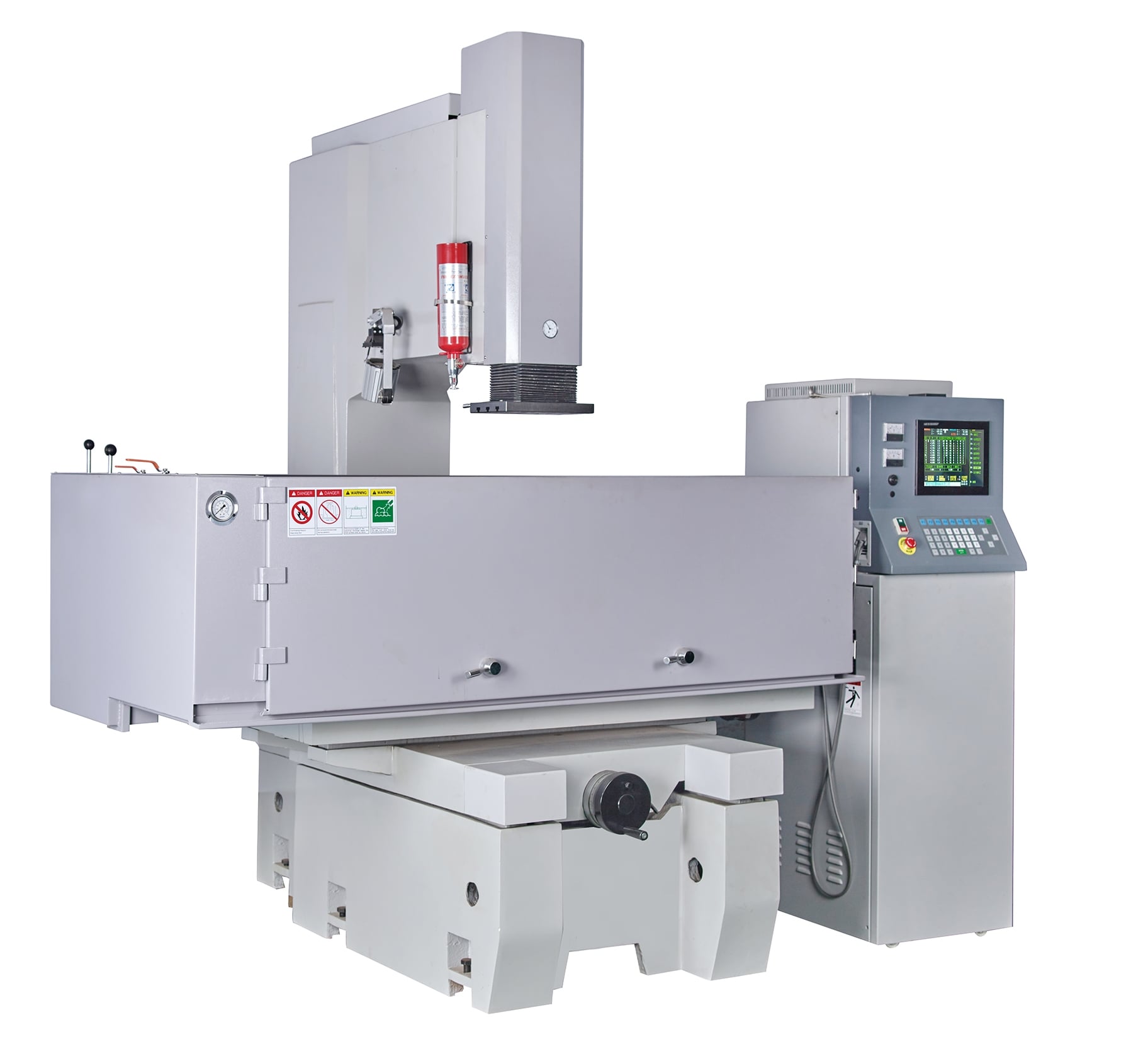
sinker EDM can help a mold project when it solves a cavity feature that is difficult to produce by milling alone. It does not automatically shorten every job. Evaluate the complete route: electrode preparation, setup, roughing and finishing burns, inspection, and any required polishing or rework. A faster burn is useful only if the finished cavity meets the drawing and the overall project benefits.
For process selection and limitations, see the sinker EDM advantages guide. The following workflow focuses on defining and recording a fair productivity comparison for a proposed mold job, rather than promising a particular improvement.
Define the result you are comparing
Specify whether the output is one accepted cavity, one accepted insert, or a complete accepted mold. Use the same drawing revision, material condition, quantity and acceptance criteria for both routes. Do not compare a rough cavity on one route with an inspected and polished cavity on the other. Record which surfaces and dimensions must pass and who accepts the result.
Choose the question before collecting times. Project lead time, machine occupancy, hands-on labor and cost per accepted output are different measures. A route can improve one without improving the others. State the selected measure and keep the other records available so that a shorter burn is not mistaken for a shorter complete project.
Set the start and finish of each time record
For project lead time, agree a start event such as release of the approved drawing and a finish event such as acceptance of the completed cavity. Keep queue time, electrode availability and other waiting periods visible. They affect delivery, but they should not automatically be attributed to the EDM machine.
For machine occupancy, record when the job reserves the machine and when it releases it, including setup and interruptions inside that interval. Record operator attendance separately. Activities can overlap: electrode manufacture may occur while another job is burning. Do not add every elapsed activity together and call the sum project lead time, or treat the whole burn as continuous hands-on labor.
Separate reusable preparation from repeated work
Include electrode design, material, manufacture, inspection and mounting in the job record. Identify which preparation is used once and which is repeated for each cavity or batch. State how any shared cost is allocated and the quantity actually covered; do not spread a one-off cost across an assumed future production volume.
Record electrode identity, material or grade, roughing or finishing role, replacements and relevant wear checks. POCO's grade descriptions illustrate that graphite electrode selection is application-specific. They do not establish the performance of your mold or a HarsMarg machine. Keep the electrode specification attached to the recorded result.
Log stages and interruptions without hiding them
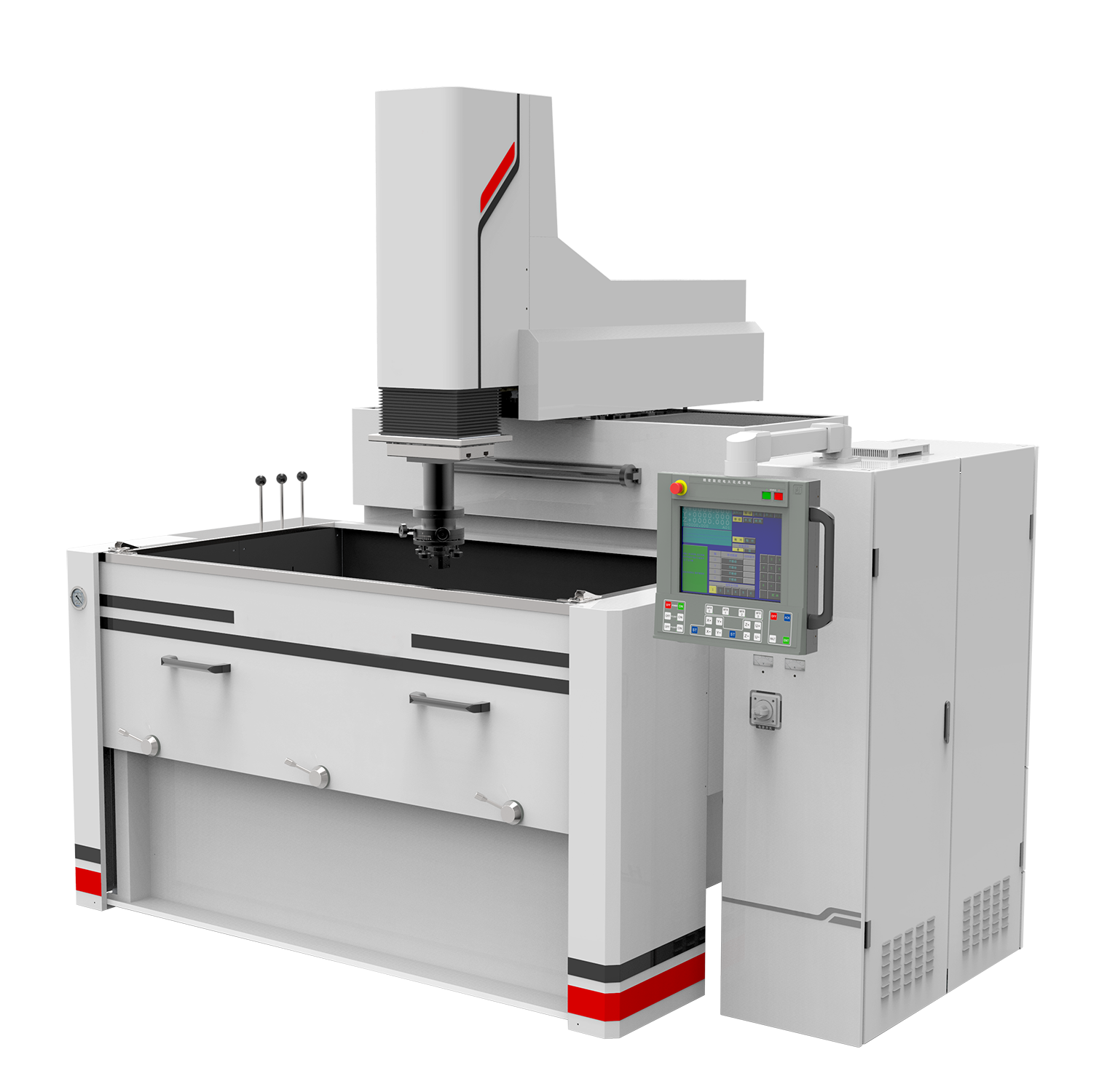
Keep a stage record for setup, roughing, finishing, electrode exchange, checks and recovery. For each event, record its start, finish, reason and whether it occupies the machine or requires an operator. If the controller provides a cycle-time figure, identify exactly what it counts before comparing it with a manually timed job.
Attach the machine configuration and approved process revision to the record. Include the workpiece condition, electrode sequence and relevant dielectric or flushing information. Makino's process overview describes sinker EDM as shaped-electrode spark erosion; it does not provide a transferable cycle time for your cavity. A maximum catalogue removal rate is not a complete-job time estimate.
Close the record at acceptance
Record finishing, inspection, rejected output and rework rather than ending the comparison at the last burn. Retain the measurement results and any agreed surface-integrity checks with the drawing revision. An attractive photograph or a positioning specification cannot replace acceptance of the completed cavity.
For a cost comparison, use actual electrode and consumable costs plus the stated basis for labor, machine time, maintenance allocation and finishing. State the number of accepted outputs used in the denominator. Keep rejected or unfinished cavities visible, and avoid counting a replacement burn as a second accepted output. Treat a quotation or simulation as an estimate, not a measured production result.
Verify any automation assumption separately
If the estimate relies on automatic electrode changes, monitoring or unattended operation, confirm the installed configuration, permitted operating conditions, safeguards and supervision with the supplier. CNC control alone does not establish these capabilities. Record the actual operator work and interruptions instead of assuming that automation removes all labor or maintenance.
Use the records to identify the limiting step
Compare the same measures for both routes and identify where time or cost accumulates: preparation, queue, machine occupancy, finishing or inspection. Request a targeted change to that step and repeat the comparison against the same acceptance criteria. Do not infer a machine improvement from a shorter queue or easier drawing.
For a supplier review, send the drawing, material and condition, blank dimensions and weight, quantity, electrode plan, proposed configuration, stage records, measured results and target schedule. Include the installation country, power supply and any automation requirement. Label estimates and trial observations separately. A single successful cavity does not establish a production-wide saving or a guaranteed return on investment.
FAQ
Does sinker EDM always reduce mold production time?
No. It may provide a practical route for a difficult feature, but the comparison must include electrode preparation, setup, all burn stages, finishing and inspection. Use measured results for the same accepted cavity before claiming a saving.
Can a quoted finish replace a sample trial?
Not by itself. Ask which material, electrode, geometry, process conditions and measurement method support the figure. Confirm that the result applies to the surfaces and acceptance requirements of your mold.
What should be confirmed before planning unattended operation?
Confirm the installed configuration and the manufacturer's operating and safety requirements, including supervision, alarms and maintenance responsibilities. Treat unattended operation as a separately verified condition, not a general promise attached to CNC equipment.
Technical references
For process background, see Makino's EDM process overview and POCO's EDM graphite grades. The record-keeping workflow above is a proposed evaluation method, not a published test result or a claim about either manufacturer's equipment.
Table of Contents
- Define the result you are comparing
- Set the start and finish of each time record
- Separate reusable preparation from repeated work
- Log stages and interruptions without hiding them
- Close the record at acceptance
- Verify any automation assumption separately
- Use the records to identify the limiting step
- FAQ
- Technical references