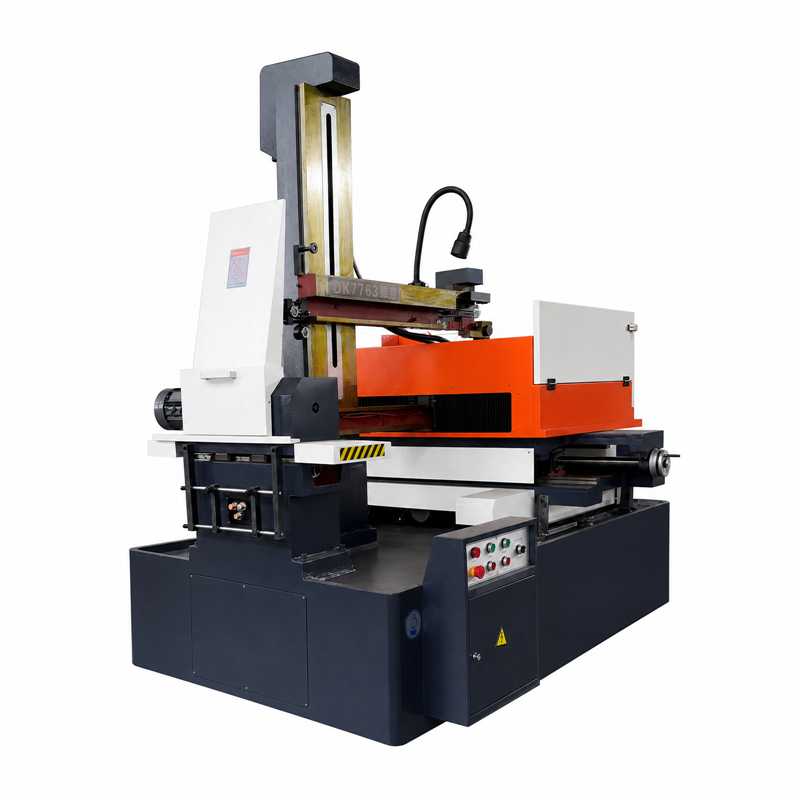
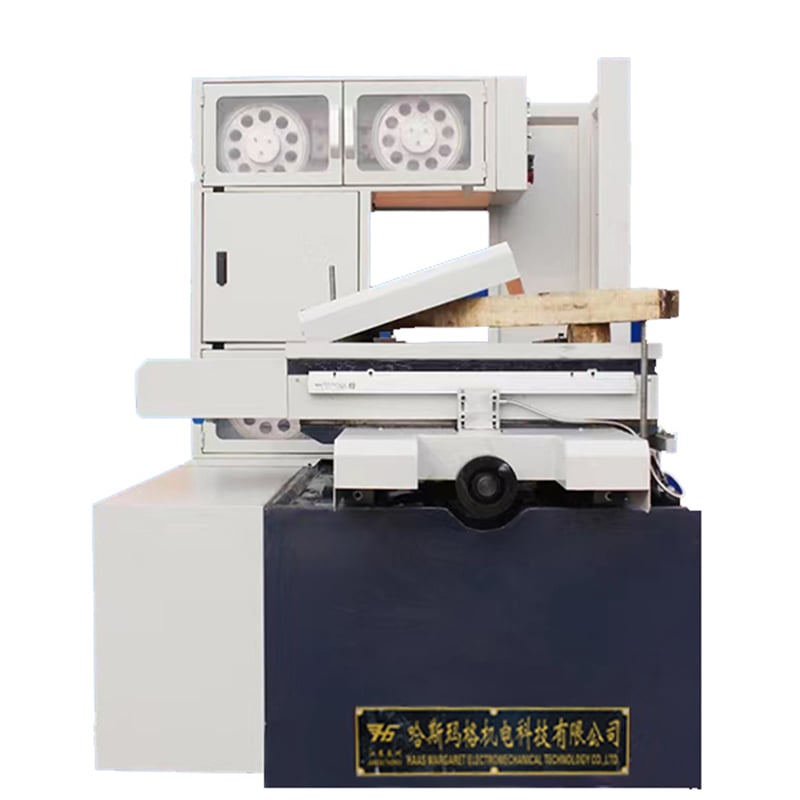
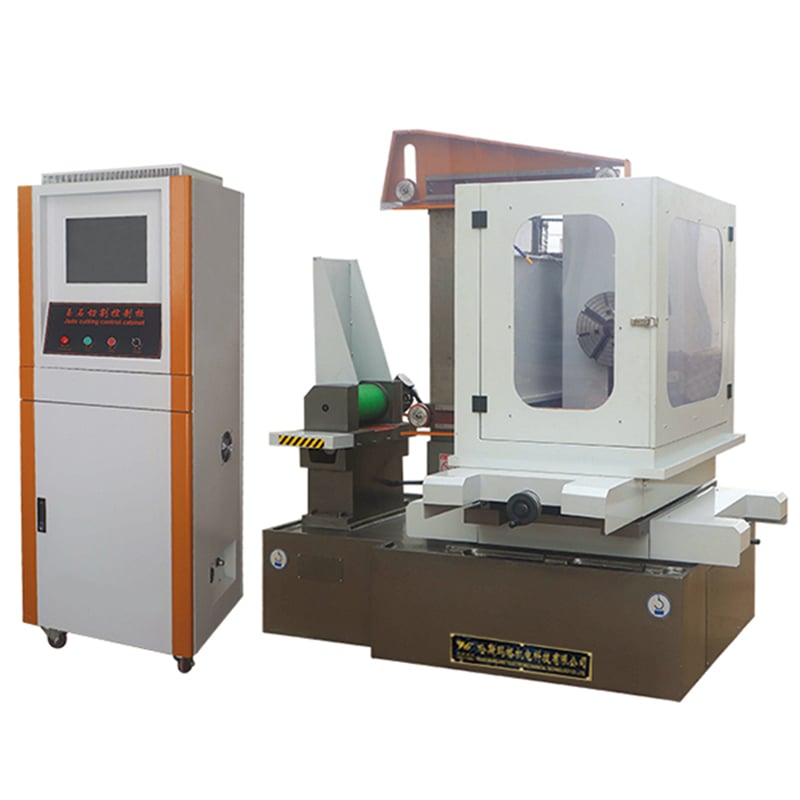
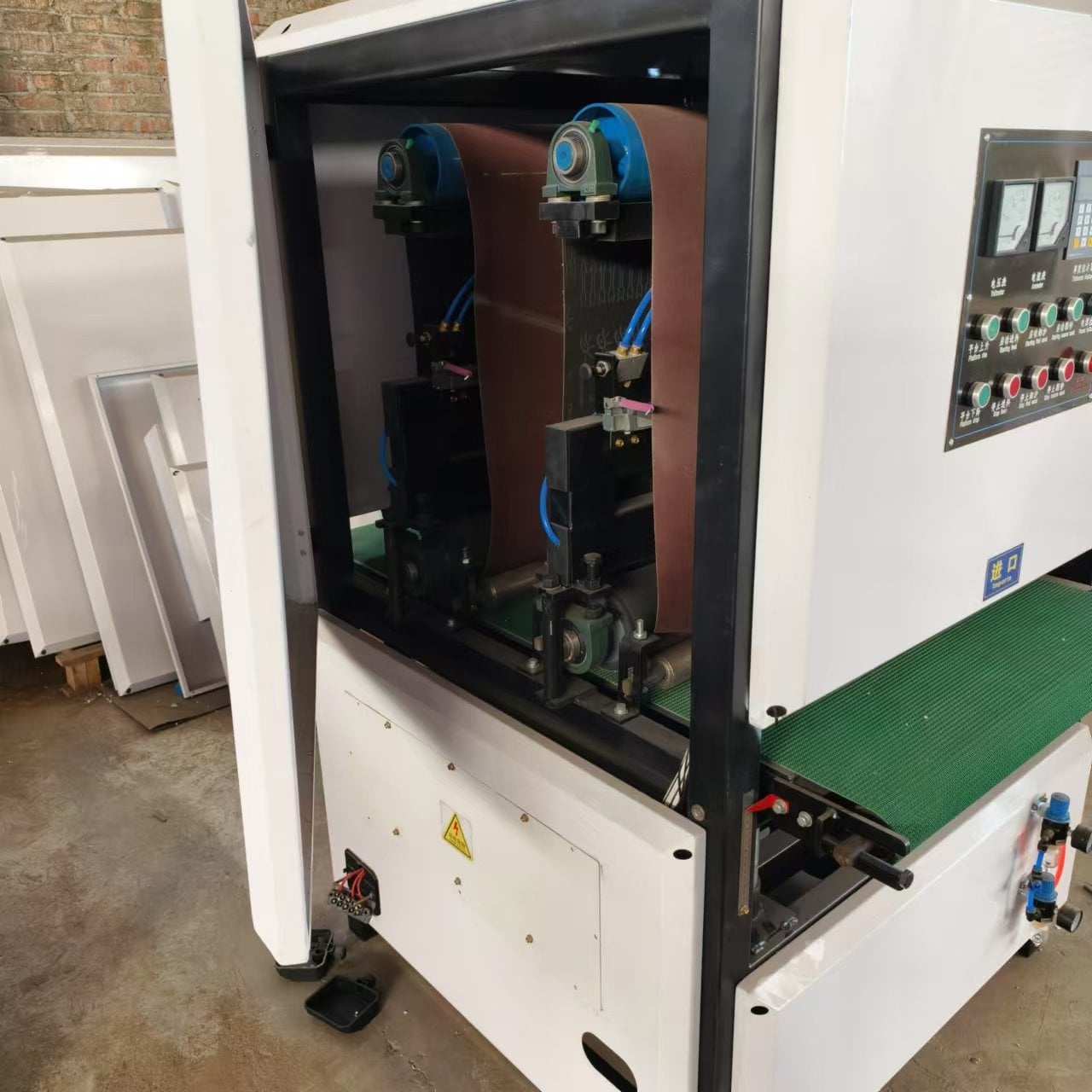
The high-speed control cabinet is the core electrical unit of high-speed reciprocating wire cut electrical discharge machines (WEDM-HS). Its operational stability directly determines the performance of pulse discharge, wire travel system, CNC motion and overall machining quality. For enterprises in mold manufacturing and hardware processing, poor heat dissipation, loose wiring, electromagnetic interference or abnormal parameters of the control cabinet may cause wire breakage, reduced machining efficiency, trajectory deviation and even equipment shutdown.
Based on the actual working conditions of reciprocating WEDM equipment, this article systematically sorts out the composition, installation, heat dissipation, electromagnetic compatibility and daily maintenance key points of high-speed control cabinets, providing practical technical references for enterprise equipment management. Please note that the specific configuration and installation parameters shall be subject to the original electrical drawings and operation manual of the machine tool manufacturer.
The high-speed control cabinet is not a general-purpose power distribution cabinet, but an integrated electronic control system customized for reciprocating WEDM machines. Its core components include pulse power supply and discharge control module, CNC motion control module, axis drive and servo control unit, wire travel and fluid circuit logic control unit, as well as basic electrical components such as circuit breakers, contactors, relays and filtering components. The function allocation of CNC, pulse power supply and drive modules varies among different manufacturers, so PLC cannot be simply regarded as the entire core of the control cabinet.
The machining stability of reciprocating WEDM is the result of the combined action of discharge, working fluid, electrode wire and control system. As the center of control and energy output, the state of the control cabinet directly affects machining efficiency and accuracy, but it is not the only influencing factor. Equipment maintenance and troubleshooting should be based on this systematic understanding.
The installation location of the control cabinet should be determined in combination with the working conditions of the WEDM workshop, following two core principles.
First, avoid environmental risks. The installation location should be far away from direct splashing areas of working fluid, drainage and overflow ports of the fluid tank, and avoid areas with high humidity, accumulated metal dust, strong vibration and high-temperature heat sources. Long-term intrusion of working fluid mist and conductive dust into the cabinet will cause terminal corrosion, reduced insulation performance and blocked heat dissipation channels, eventually leading to short circuit or aging failure of components. In particular, the control cabinet must not be installed directly below the fluid tank or in the splash path.
Second, reserve reasonable maintenance space. The front of the cabinet shall leave enough space for normal door opening, operation and maintenance. The distance at the side and rear shall be comprehensively determined according to the door opening method, rear wiring structure, heat dissipation design and manufacturer’s requirements. It is not advisable to apply fixed values as a unified mandatory standard for all equipment. Priority shall be given to the original installation drawings of the manufacturer, as long as maintenance and heat dissipation ventilation are guaranteed.
The long-term stable operation of the control cabinet relies on the coordinated adaptation of heat dissipation, electromagnetic compatibility and ingress protection rating.
In terms of heat dissipation optimization, components such as pulse power supply, drivers and transformers generate heat continuously during operation. Long-term high temperature will accelerate the aging of electronic components and trigger protection shutdown. In daily management, it is necessary to keep the air inlet and outlet channels of the cabinet unobstructed, clean the dust filter regularly, check the operation status of cooling fans, prohibit blocking the original heat dissipation holes, and avoid the cabinet being close to the wall or heat sources. If the ambient temperature of the workshop is high, it is necessary to evaluate based on the rated ambient temperature of the equipment and the internal heat load, and select industrial fans, heat exchangers or cabinet air conditioners accordingly. There is no need to mechanically apply a fixed temperature threshold.
In terms of electromagnetic compatibility (EMC) management, the high-frequency pulse discharge of WEDM itself is a strong interference source, and reasonable EMC design is the key to stable operation. Strong and weak current circuits inside the cabinet shall be arranged separately according to design specifications, to avoid long-distance parallel laying of high-interference lines and weak signal lines. The shielding layer of shielded cables shall be grounded according to the requirements of the manufacturer’s electrical drawings, and it cannot be generalized as single-end grounding or double-end grounding. Reliable protective grounding and equipotential bonding shall be established between the control cabinet and the machine tool bed, focusing on ensuring the continuity of PE conductors, tight connection terminals and qualified grounding cross-section. The grounding resistance shall be subject to the manufacturer’s regulations.
In terms of ingress protection rating adaptation, the cabinet protection rating shall match the actual installation environment, and it is impossible to require all control cabinets to reach a unified rating. For scenarios with working fluid splashing, oil mist and metal dust, it is necessary to focus on cabinet door sealing, cable inlet sealing and dust-proof design of heat dissipation channels, and regularly check the aging of door sealing strips to ensure the effectiveness of cabinet protection.
Components in the control cabinet such as circuit breakers, contactors and drivers shall be selected according to the rated voltage, current and protection requirements of the equipment. Products included in the mandatory product certification catalog shall have corresponding certifications, and other components shall comply with general industry requirements and original technical specifications. It is forbidden to replace high-power components at will. When replacing core components such as pulse power modules and drivers, it is necessary to confirm the rated parameters, control interfaces and system matching at the same time to avoid secondary failures.
Establishing a hierarchical periodic maintenance system is the core means to reduce the risk of sudden shutdown. Daily inspection is completed by operators. Before starting the machine, check whether there is abnormal noise from the cabinet, whether the cooling fan is running normally, whether the alarm indication is abnormal, and confirm that there is no accumulated working fluid around and no obvious damage to cables. During machining, pay attention to abnormal heating, frequent wire breakage and alarms. Stop the machine immediately in case of peculiar smell, sparking and other phenomena.
Monthly maintenance focuses on cleaning and connection fastening. Clean the dust filter and dust in the heat dissipation channels, and check the cabinet door sealing strips, cable appearance and terminal fastening status. Inspection involving power terminals and pulse power supply must be carried out after the equipment is completely shut down, powered off and discharge is confirmed. Quarterly maintenance focuses on verifying the status of protective grounding and equipotential bonding, and checking the heat dissipation of servo drivers, operation status of pulse power supply and reliability of wire travel and fluid circuit control lines.
Annual maintenance focuses on condition assessment and risk prevention. It is recommended to establish electrical files for each equipment, back up control programs, system parameters, driver and pulse power parameters, and record component models, replacement records and maintenance logs. For components with life attenuation characteristics such as filter capacitors, cooling fans and relays, the replacement strategy shall be formulated based on operation time and actual status, and mandatory annual replacement of all components is not required.
Troubleshooting and Systematic Management
A common misunderstanding in equipment maintenance is to attribute all problems such as wire breakage and reduced machining efficiency to the control cabinet. Reciprocating WEDM is a complex discharge machining system. Increased wire breakage may be related to multiple factors such as unreasonable discharge parameters, abnormal working fluid status, poor chip removal conditions, worn guide wheels or conductive blocks, and abnormal power feeding. The reduction of machining efficiency is affected by pulse energy, working fluid cleanliness, electrode wire status, workpiece material and thickness, servo tracking and other factors together.
Therefore, troubleshooting should be comprehensively diagnosed from electrical, discharge, working fluid, wire travel and mechanical systems, to avoid single inspection only on the control cabinet. Control cabinet maintenance should be integrated into the overall machine fault diagnosis system, rather than attributing all machining problems to the electrical control unit.
For manufacturing enterprises with multiple pieces of equipment, a complete management system of daily inspection, monthly inspection, quarterly inspection and annual maintenance can be established. Independent technical files shall be created for each control cabinet, recording core component models, parameter backups, alarm codes and maintenance records. When the equipment has abnormal accuracy or failure, the source of the problem can be quickly located, greatly shortening the downtime for troubleshooting.
Conclusion
The stable operation of the high-speed control cabinet for WEDM is the result of the combined action of component quality, installation environment, heat dissipation design, electromagnetic compatibility and overall equipment maintenance. Enterprises should implement installation and protection in combination with the original requirements of equipment manufacturers, abandon general conclusions divorced from actual working conditions, and establish a complete operation and maintenance system covering installation, heat dissipation, EMC, parameter backup and overall machine fault diagnosis. Only in this way can the risk of failure be effectively reduced and the long-term stability of machining efficiency and accuracy be guaranteed.
 Hot News
2026-09-16
2026-09-09
2026-09-02
2026-08-26
2026-08-19
2026-08-13

 EN
EN