EN
EN



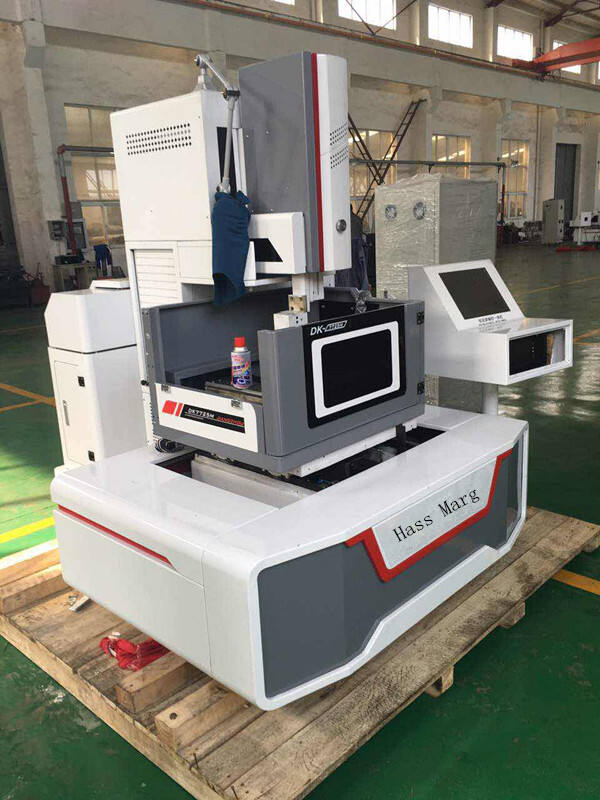
အဆင့်မြင့်ထုတ်လုပ်မှုနယ်ပယ်တွင် EDM ယဉ်ကျေးမှုခန်း eDM စက်သုံးခြင်းသည် အလွန်မှန်ကန်သော အစိတ်အပိုင်းများကို ထုတ်လုပ်ရန်အတွက် အကောင်းဆုံး ယုံကြည်စိတ်ချရပြီး နည်းပညာအရ အဆင့်မြင့်သော နည်းလမ်းများထဲမှ တစ်ခုအဖြစ် ပေါ်ထွန်းလာခဲ့သည်။ ကုန်ကုန်မှုန်းသုံး အန်းဖ်က်တ်မှုလုပ်ငန်းစဉ်များနှင့် ကွဲပြားစွာဖြင့် ကိရိယာနှင့် အလုပ်လုပ်မှုအရာ (workpiece) အကြား တိုက်ရိုက် ယန္တရားမှုအပ်နှက်မှုပေါ်တွင် အခြေခံသည့်အစား EDM စက်သုံးခြင်းသည် ထိန်းချုပ်ထားသော လျှပ်စစ်ပေါက်ကွဲမှုများကို အသုံးပြု၍ အလွန်တိကျမှုဖြင့် ပစ္စည်းများကို ဖျက်ဆီးခြင်းဖြစ်သည်။ ဤအခြေခံကွဲပြားမှုသည် အတိုင်းအတာများကို မိုက်ခရွန် (microns) ဖြင့် တိုင်းတာရသည့် အသုံးပုံများနှင့် မျက်နှာပုံသဏ္ဍာန်၏ အရည်အသွေးကို မည်သည့်နည်းဖြင့်မျှ ထိခိုက်စေခြင်းမရှိစေရန် လိုအပ်သည့် အသုံးပုံများအတွက် ထူးခြားစွာ သင့်တော်စေသည်။
အထူးသဖြင့် အဆင့်မြင့် အသုံးအဆောင်ပစ္စည်းများ ထုတ်လုပ်ခြင်းနှင့် အလှဆင်ရေး နံရံစနစ်များတွင် EDM ယဉ်ကျေးမှုခန်း eDM စက်သုံးခြင်း၏ တိကျမှုနှင့် အရည်အသွေးကို မြင့်တင်ရန်အတွက် ၁။ ၎င်း၏ အလုပ်လုပ်ပုံ အခြေခံများ၊ ၂။ လုပ်ငန်းစဉ်၏ အက advantage များနှင့် ၃။ အကောင်းဆုံး စွမ်းဆောင်ရည်များကို ပေးစေသည့် အသုံးပုံများကို ပိုမိုနက်ရှိုင်းစွာ လေ့လာရန် လိုအပ်ပါသည်။ သင်သည် မာကြောသော ကိရိယာသံများ၊ ရှုပ်ထွေးသော ပုံသောင်းအိုးများ (mold cavities) သို့မဟုတ် လေကြောင်းနှင့် အာကာသနယ်ပယ်အတွက် အလွန်အာရုံစိုက်ရသော အစိတ်အပိုင်းများကို အသုံးပြုနေပါက EDM ယဉ်ကျေးမှုခန်း eDM စက်သုံးခြင်းသည် အထူးကောင်းမွန်သော ရလဒ်များကို ထိန်းချုပ်မှုရှိပြီး ထပ်ခါထါ အတိအကျ ထုတ်လုပ်နိုင်သည့် လမ်းကြောင်းကို ပေးစေသည်။ ဤဆောင်းပါးတွင် EDM စက်သုံးခြင်း၏ အလုပ်လုပ်ပုံများ၊ အက advantage များနှင့် လက်တွေ့အသုံးပြုမှုများကို စူးစမ်းတွေ့ရှိထားပါသည်။ EDM ယဉ်ကျေးမှုခန်း ခေတ်မှီ အတိကျမှုမြင့်မားသော ထုတ်လုပ်မှုပတ်ဝန်းကျင်များတွင် အခြေခံနည်းပညာတစ်ရပ်ဖြစ်သည်။
EDM စက်မှုလုပ်ငန်းတွင် အတိကျမှုကို ဖန်တီးပေးသည့် အဓိက လုပ်ငန်းစဉ်
လျှပ်စစ်ပေါက်ကွဲမှုဖြင့် ပစ္စည်းများကို ထိတွေ့မှုမရှိဘဲ ပုံစံဖော်ခြင်း နည်းလမ်း
EDM ယဉ်ကျေးမှုခန်း ဤစက်သည် လျှပ်စစ်အရှုံ့ဖျက်ခြင်း (electro-erosion) ဟုခေါ်သည့် လုပ်ငန်းစဉ်ဖြင့် လုပ်ဆောင်ပါသည်။ ဤလုပ်ငန်းစဉ်တွင် လျှပ်စစ်ဓာတ်သုံး အီလက်ထရုံဒ်နှင့် အလုပ်လုပ်မည့်ပစ္စည်း (workpiece) အကြား အလျင်မြန်သော လျှပ်စစ်ပေါက်ကွဲမှုများကို ဒိုင်အီလက်ထရစ်အရည် (dielectric fluid) အတွင်းတွင် ဖြစ်ပေါ်စေပါသည်။ ပေါက်ကွဲမှုတစ်ခုချင်းစီသည် အလွန်ပိုင်းစိတ်အထိ ပူပွန်းမှုကို ဖြစ်ပေါ်စေပြီး ပစ္စည်းအနည်းငယ်ကို အရည်ပေါက်ကွဲမှုဖြင့် အင်အားဖြင့် ပျော်လျော်စေပါသည်။ အီလက်ထရုံဒ်သည် အလုပ်လုပ်မည့်ပစ္စည်းနှင့် ထိတွေ့မှုမရှိသောကြောင့် မည်သည့် ယန္တရားအားသုံးမှုများလဲ မရှိပါ၊ ကိရိယာပုံပေါက်မှု (tool deflection) မရှိပါ၊ အားဖော်ပေးမှုကြောင့် ပုံပေါက်မှု (stress-induced distortion) လည်း မရှိပါ။
ထိတွေ့မှုမရှိသည့် ဤသဘောသည် အရေးကြီးသော အကြောင်းရင်းတစ်ရပ်ဖြစ်သည်။ EDM ယဉ်ကျေးမှုခန်း ပုံမှန်စက်မှုလုပ်ငန်းများတွင် ကုတ်လုပ်မှုအားများကြောင့် အလုပ်လုပ်မည့်ပစ္စည်း ပုံပေါက်မှု (workpiece deflection) သို့မဟုတ် ကိရိယာပုံပေါက်မှု (tool wear) ဖြစ်ပေါ်လာပြီး အမြဲတမ်း အမှားအမှင်များ စုစည်းလာနိုင်ပါသည်။ EDM စက်မှုလုပ်ငန်းတွင် ထိတွေ့မှုမရှိသောကြောင့် EDM ယဉ်ကျေးမှုခန်း အီလက်ထရုံးနှင့် အလုပ်လုပ်မည့် အရာဝတ္ထုကြား အကွာအဝေးကို ဆာဗို-ထိန်းချုပ်မှုဖြင့် တိကျစွာ ထိန်းသိမ်းထားပါသည်။ ထိုသို့ဖြင့် လုပ်ဆောင်မှုတစ်ခုလုံးတွင် ပစ္စည်းဖယ်ရှားမှုသည် တစ်သေးတစ်ဖေးဖြစ်ပြီး ကြိုတင်ခန့်မှန်းနိုင်သည့် အတိုင်း ဆက်လက်ဖြစ်ပေါ်နေမည်ဖြစ်ပါသည်။
ဒိုင်အီလက်ထရစ် အရည်သည် ဤလုပ်ငန်းစဉ်တွင် နှစ်မျေားသော အခန်းကဏ္ဍမှ ပါဝင်ပါသည်။ ထိုအရည်သည် စပာ့ခ်များကြား အီလက်ထရစ် အကာအရံအဖြစ် အသုံးပြုပြီး စပာ့ခ်အား မှန်ကန်သော နေရာတွင် စွမ်းအင်ကို စုစည်းပေးကာ ဖျက်ဆီးခံရသော အမှုန်များကို ဖျော်လျှော့ပေးပါသည်။ ထိုသို့ဖြင့် နောက်ထပ်စပာ့ခ်များသည် အသစ်သော ပစ္စည်းပေါ်သို့ ကျရောက်နိုင်မည်ဖြစ်ပါသည်။ ထို့ကြောင့် စပာ့ခ်အကွာအဝေးကို တည်ငြိမ်စွာ ထိန်းသိမ်းရန်အတွက် ဒိုင်အီလက်ထရစ် အရည်ကို သင့်လျော်စွာ စီမံခန့်ခွဲရန် အလွန်အရေးကြီးပါသည်။ EDM ယဉ်ကျေးမှုခန်း အရည်အချင်း.
မျက်နှာပုံအရည်အသွေး ထိန်းချုပ်မှုတွင် စပာ့ခ်စွမ်းအင်၏ အခန်းကဏ္ဍ
အရည်အသွေးမြှင့်တင်ရေးတွင် အားအကောင်းဆုံး အရေးပါသော နည်းလမ်းများထဲမှ တစ်ခု EDM ယဉ်ကျေးမှုခန်း သွင်းအားပေးမှု စွမ်းအား၏ ပါရာမီတာများကို တိကျစွာ ထိန်းချုပ်နိုင်စွမ်းဖြစ်သည်။ ပုလ်စ် ကြာချိန်၊ ပုလ်စ် အကြားကွာဟမှု၊ စီးဆင်းမှု လျှပ်စီးကြောင်းနှင့် ဗို့အားတို့ကို ညှိပေးခြင်းဖြင့် လုပ်သက်များသည် ပစ္စည်းဖျက်ထုတ်မှုနှုန်း၊ မျက်နှာပြင် ချောမွေ့မှုနှင့် ပြန်လည်ဖွဲ့စည်းထားသော အလွှာအထူကို တိုက်ရိုက်အကျိုးသက်ရောက်မှုရှိစေနိုင်သည်။ စွမ်းအားနိမ့်သော ဆက်တွဲမှုများသည် အလုပ်လုပ်မှု အမြန်နှုန်းနှေးကွေးမှုကို စွန်းထောက်ပေးပီး မျက်နှာပြင်ကို ပိုမိုချောမွေ့စေသည်။ ထို့အတူ စွမ်းအားမြင့်သော ဆက်တွဲမှုများသည် ထုတ်လုပ်မှုနှုန်းကို ဦးစားပေးသည်။
ဤပါရာမီတာများအပေါ် အခြေခံသော အရည်အသွေးထိန်းချုပ်မှုသည် သဲစားခြင်း သို့မဟုတ် ယန္တရားမှုန်းခြင်း နည်းလမ်းများထက် အထူးသဖြင့် အားသာချက်ရှိသည်။ အထူးသဖြင့် EDM ယဉ်ကျေးမှုခန်း ၊ လျှပ်စစ်ဆိုင်ရာ ကန့်သတ်ချက်များနှင့် မျက်နှာပြင်ရလဒ်ကြား ဆက်နွယ်မှုကို ကောင်းစွာနားလည်ပြီး ပြန်လည်ထုတ်လုပ်နိုင်သည်။ ထုတ်လုပ်သူများသည် သတ်မှတ်ထားသော ပစ္စည်းများနှင့် မျက်နှာပြင်အပြီးသတ်လိုအပ်ချက်များအတွက် အတည်ပြုထားသော ကန့်သတ်ချက်အစုံများကို ထူထောင်နိုင်ပြီး အော်ပရေတာကျွမ်းကျင်မှု ကွဲပြားမှုကို မှီခိုခြင်းမရှိဘဲ ထိုကန့်သတ်ချက်များကို ထုတ်လုပ်မှုလုပ်ငန်းစဉ်များတွင် တသမတ်တည်း အသုံးချနိုင်သည်။
ခေတ်မီ EDM ယဉ်ကျေးမှုခန်း စနစ်များသည် ပုံမှန်အားဖြင့် စွမ်းအင်များသော ပထမအဆင့် ခြစ်ထုတ်ခြင်း (roughing) ဖြင့် စတင်ပြီး နောက်တွင် အလယ်အလတ် အဆင့် (semi-finishing) နှင့် နောက်ဆုံးအဆင့် (finishing) တွင် စွမ်းအင်ကို တဖြည်းဖြည်း လျော့ချခြင်းကဲ့သို့သော အဆင့်ဆင့် ဗျူဟာများကို အသုံးပြုကြသည်။ ဤအလွှာလိုက် ချဉ်းကပ်မှုသည် အစိတ်အပိုင်းများအား တစ်ခါတည်းသော စီစဥ်မှု (single setup) အတွင်းတွင်ပင် ပုံသဏ္ဍာန်အတိအကျမှု (geometric accuracy) နှင့် မျှတသော မျက်နှာပြင်အရည်အသွေး (fine surface quality) နှစ်မျိုးစလုံးကို ရရှိစေပြီး ဒုတိယအဆင့် အဆုံးသတ်ခြင်းလုပ်ဆောင်မှုများ (secondary finishing operations) အတွက် လိုအပ်ချက်ကို လျော့နည်းစေသည်။
ဝိုင်ယာ EDM စက်ဖွကဴးခြင်းနှင့် ၎င်း၏ တိကျမှု အက advantage များ
ဝိုင်ယာ EDM ဖြင့် တင်းကြပ်သော ခွင့်ပေးချက်များ (tight tolerances) ကို မည်သို့ အကောင်အထည်ဖော်နိုင်သနည်း
သင်္ကေတ EDM ယဉ်ကျေးမှုခန်း ဤနည်းစနစ်သည် အလွန်ပေါင်းသော ဝိုင်ယာလျှပ်မှုအိုင်းလက် (wire electrode) တစ်ခုကို အသုံးပြုပြီး ယင်းဝိုင်ယာသည် ပုံမှန်အားဖြင့် ပြေးကြေး (brass) သို့မဟုတ် သံမှုန်ဖုံးထားသော (zinc-coated) ဝိုင်ယာဖြစ်ပြီး အစီအစဥ်သတ်မှတ်ထားသော လမ်းကြောင်းအတိုင်း အဆက်မပြတ် ရောင်းထုတ်ခြင်း (continuously fed) ဖြင့် လှည့်ပါသည်။ ဝိုင်ယာသည် အသုံးပြုမည့် အရာဝတ္ထုနှင့် ထိတွေ့မှုမရှိဘဲ အစီအစဥ်သတ်မှတ်ထားသော လမ်းကြောင်းအတိုင်း လှည့်ပါသည်။ ဝိုင်ယာသည် အရာဝတ္ထုကို ထိတွေ့မှုမရှိဘဲ လျှပ်စစ်ပေါက်ကွဲမှု (spark erosion) ဖြင့် အလွန်ကျဥ်းသော ဖြတ်ကြောင်း (narrow kerf) ကို ဖြတ်ထုတ်ပါသည်။ CNC ထိန်းချုပ်မှုဖြင့် ဝိုင်ယာ၏ လမ်းကြောင်းကို အတိအကျ ထိန်းချုပ်နိုင်ပါသည်။ ထို့ကြောင့် ရှုပ်ထွေးသော အကွက်များ (intricate contours)၊ မှန်ကန်သော အတွင်းထောင်ထောင်များ (sharp internal corners) နှင့် ရှုပ်ထွေးသော ပုံစံများ (complex profiles) တို့ကို အလွန်တိကျသော အရွယ်အစား အတိအကျမှု (very high dimensional fidelity) ဖြင့် ထုတ်လုပ်နိုင်ပါသည်။
အတွက် EDM ယဉ်ကျေးမှုခန်း ±0.002 မီလီမီတာ သို့မဟုတ် ထိုထက်ပိုမျှတသော အတိအကျမှု လိုအပ်သည့် အသုံးချမှုများတွင် ဝိုင်ယာ EDM သည် များသောအားဖြင့် ရွေးချယ်မှုအတိုင်းအတာဖြစ်သည်။ ကုန်စင်ဖြတ်ခြင်းအားများ မရှိခြင်းကြောင့် ပါးလွင်းသော နံရံများ၊ အလွန်နှိမ့်ချထားသော အစိတ်အပိုင်းများနှင့် အမြဲတမ်းမှုရှိသော ပစ္စည်းများကို ပုံပျက်ခြင်း (distortion) သို့မဟုတ် ကျွံခြင်း (cracking) မဖြစ်စေဘဲ စက်ဖြင့် အသုံးပြုနိုင်ပါသည်။ ဤအချက်များကြောင့် ဝိုင်ယာ EDM ယဉ်ကျေးမှုခန်း သည် အတိအကျမှုရှိသော ပုံသေးခြင်း သို့မဟုတ် ဖောက်ထုတ်ခြင်း သို့မဟုတ် အသုံးပြုရှိသော အစိတ်အပိုင်းများကို ထုတ်လုပ်ရာတွင် မပါမဖြစ်သော နည်းလမ်းဖြစ်လာသည်။
တိုးတက်သော ဝိုင်ယာ EDM ယဉ်ကျေးမှုခန်း ပလက်ဖောင်းများတွင် အလိုအလျောက် ဝိုင်ယာ ချိတ်ဆက်မှု၊ အနားမှုန်းချိုမှု (taper cutting) စွမ်းရည်များနှင့် ပစ္စည်းအခြေအနေများ ပြောင်းလဲလာသည့်အတွက် လျှပ်စစ်ပလာဇာမှု (spark parameters) ကို အချိန်နှင့်တစ်ပါက ချိန်ညှိပေးသည့် စနစ်များ ပါဝင်သည်။ ဤစွမ်းရည်များသည် စုစုပေါင်းအားဖြင့် လုပ်သောသူ၏ စွက်ဖောက်မှုကို လျော့နည်းစေပြီး ထပ်ခါထပ်ခါ အတိအကျမှုရှိစွမ်းရည်ကို မြှင့်တင်ပေးကာ အတိအကျမှုရှိစွမ်းရည်ဖြင့် ထုတ်လုပ်နိုင်သည့် ပုံစံများ၏ အကျယ်အဝန်းကို တိုးချဲ့ပေးသည်။
ဝိုင်ယာ EDM လုပ်ဆောင်မှုများတွင် မျက်နှာပုံအရည်အသွေး
မျက်နှာပုံအရည်အသွေးသည် အသုံးပြုရှိသော ပစ္စည်းများနှင့် အတိအကျမှုရှိသော အစိတ်အပိုင်းများတွင် အရည်အသွေးအရ အရေးကြီးသည့် အရေးကြီးသော အရေးကြီးသော အရေးကြီးသော အရေးကြီးသော အရေးကြီးသော အရေးကြီးသော အရေးကြီးသော အရေးကြီးသော အရေးကြီးသော အရေးကြီးသော အရေးကြီးသော အရေးကြီးသော အရေးကြီးသော အရေးကြီးသော အရေးကြီးသော အရေးကြီးသော အရေးကြီးသော အရေးကြီးသော အရေးကြီးသော အရေးကြီးသော အရေးကြီးသော အရေးကြီးသော အရေးကြီးသော အရေးကြီးသော အရေးကြီးသော အရေးကြီးသော အရေးကြီးသော အရေ...... ဝိုင်ယာ EDM ယဉ်ကျေးမှုခန်း ဤနယ်ပယ်တွင် အထူးသဖြင့် ကောင်းမွန်သော ရလဒ်များကို ပေးစေပါသည်။ ချိန်ညှိထားသော ဖြတ်ထုတ်မှုအခြေအနေများအောက်တွင် ဝိုင်ယာ EDM သည် အဆုံးသတ်ဖြတ်ထုတ်မှုများတွင် Ra 0.2 မိုက်ခရွန်အောက် မျက်နှာပုံ မျော့ကွက်မှုတန်ဖိုးများကို ရရှိနိုင်ပါသည်။ ဤတန်ဖိုးများသည် လက်နှင့် ပေါ်လစ်ရှင်း (polishing) သို့မဟုတ် ဂရင်းဒင်း (grinding) လုပ်ရန် လိုအပ်ခဲ့သည့် လုပ်ဆောင်မှုများအတွက် လုံလောက်သော မျက်နှာပုံအရည်အသွေးကို ပေးစေပါသည်။
ပြန်လည်ခဲပေါ်လာသော အလွှာ (recast layer) — စပာ့ခ် အရှိန်ဖောက်ခွဲမှုအပြီး မျက်နှာပုံပေါ်တွင် ကျန်ရှိသော ပြန်လည်ခဲသော ပစ္စည်းအလွှာပေါ်လ် — သည် အရည်အသွေးဆိုင်ရာ အရေးကြီးသော အချက်တစ်ခုဖြစ်ပါသည်။ EDM ယဉ်ကျေးမှုခန်း ပေါ်လ်စ် ဂေနာရေတာ (pulse generator) နည်းပညာတွင် တိုးတက်မှုများသည် ခေတ်မှီစနစ်များတွင် ပြန်လည်ခဲပေါ်လာသော အလွှာ၏ ထူမှုကို သိသိသာသာ လျော့ချပေးနိုင်ခဲ့ပါသည်။ ထို့ကြောင့် အဏုကြွေးကွက်များ (micro-cracking) ဖြစ်ပွားနိုင်ခြေကို အနည်းဆုံးအထိ လျော့နည်းစေပါသည်။ ထို့အပေါ်အခြေခံ၍ ဖြတ်ထုတ်မှုများနောက်ကျန်ရှိသော အခြေခံပစ္စည်း၏ ယန္တရားဆိုင်ရာ ဂုဏ်သတ္တိများကို ဖြတ်ထုတ်မှုများနောက်ကျန်ရှိသော မျက်နှာပုံအနီးတွင် ထိန်းသိမ်းပေးနိုင်ပါသည်။
လေကြောင်းနှင့် အာကာသ၊ ဆေးဘက်ဆိုင်ရာ ကိရိယာများ၊ အမြင့်ဆုံးစွမ်းဆောင်ရည်ရှိသော ကိရိယာများ စသည့် အသုံးပြုမှုများအတွက် အတိအကျမှုနှင့် သိမ်းဆောင်မှုဆိုင်ရာ မျက်နှာပုံအရည်အသွေး နှစ်များစုံလုံး အရေးကြီးသည့် အချိန်များတွင် အနောက်တွင် စွမ်းအင်နည်းသော အဆုံးသတ်ဖြတ်ထုတ်မှုနည်းလမ်းများဖြင့် ဝိုင်ယာ EDM ယဉ်ကျေးမှုခန်း eDM သည် အခြားဖြတ်ထုတ်မှုနည်းလမ်းများထက် အရည်အသွေးအရ သိသိသာသာ သာလွန်မှုများကို ပေးစေပါသည်။
ရှုပ်ထွေးသော အောက်ခေါင်းပေါက်များအတွက် စင်ကာ EDM ဖြတ်ထုတ်မှု
သုံးမျောင်းမျက်နှာပါ အခေါင်းဖွင့်ခြင်း လုပ်ငန်းစဉ်တွင် တိကျမှု
ဆင်ကာ EDM ယဉ်ကျေးမှုခန်း ၊ အခြားအမည်များမှာ ram EDM (ရမ် အီလက်ထရွန်နစ် ဒစ်စ်ချာဂျ် မော်ရ်ဖင်) သို့မဟုတ် die-sinking EDM (ဒိုင်-စင်ကင်း အီလက်ထရွန်နစ် ဒစ်စ်ချာဂျ် မော်ရ်ဖင်) ဟုလည်း ခေါ်သည်။ ဤနည်းစနစ်တွင် အသုံးပြုရန် အထူးပုံစံဖွဲ့ထားသော အီလက်ထရွန်ဒို (electrode) ကို အလုပ်လုပုပ်စိတ်ပေါ်သို့ ဖိသို့သို့ သို့သို့ သို့သို့ သို့သို့ သို့သို့ သို့သို့ သို့သို့ သို့သို့ သို့သို့ သို့သို့ သို့သို့ သို့သို့ သို့သို့ သို့သို့ သို့သို့ သို့သို့ သို့သို့ သို့သို့ သို့သို့ သို့သို့ သို့သို့ သို့သို့ သို့သို့ သို့သို့ သို့သို့ သို့သို့ သို့သို့ သို့သို့ သို့သို့ သို့သို့ သို့သို့ သို့သို့ သို့သို့ သို့သို့ သို့သို...... အလုပ်လုပ်စိတ်ကို ဖောက်ထွင်းခြင်းဖြင့် အီလက်ထရွန်ဒို၏ ပုံစံနှင့် ကူးပေးသည့် အခေါင်းဖွင့်ခြင်းကို ဖန်တီးပေးသည်။ ဤနည်းစနစ်သည် မော်လ်ဒ်များ၊ ဒိုင်များနှင့် လေကြောင်းအင်ဂျင်နီယာ အစိတ်အပိုင်းများတွင် ရှုပ်ထွေးသော သုံးမျောင်းမျက်နှာပါ အခေါင်းဖွင့်ခြင်းများကို ထုတ်လုပ်ရာတွင် အထူးအသုံးဝင်ပါသည်။ ထိုသို့သော အခေါင်းဖွင့်ခြင်းများကို ပုံမှန် လှည့်ပတ်သော ကိရိယာများဖြင့် အတွင်းဘက် ပုံစံများကို ရောက်ရှိအောင် လုပ်ဆောင်ရန် မဖြစ်နိုင်ပါသည်။
ဆင်ကာ၏ တိကျမှု EDM ယဉ်ကျေးမှုခန်း သည် အီလက်ထရွန်ဒို၏ အရည်အသွေး၊ အီလက်ထရွန်ဒို၏ လှည့်ပတ်မှု နည်းဗျူဟာများနှင့် အီလက်ထရွန်ဒိုကို သန့်စင်ရေး အခြေအနေများပေါ်တွင် အများကြီး မှီခိုနေပါသည်။ ခေတ်မှီ ဆင်ကာ EDM စနစ်များတွင် CNC (ကွန်ပျူတာ နီယူမေရိက် ထိန်းချုပ်မှု) အီလက်ထရွန်ဒို လှည့်ပတ်မှုကို အသုံးပြု၍ အီလက်ထရွန်ဒိုကို သန့်စင်ရေးကို ကောင်းမော်ပြုလုပ်ပေးခြင်း၊ အီလက်ထရွန်ဒို ပျော့ကွက်မှုကို လျော့နည်းစေခြင်းနှင့် အခေါင်းဖွင့်ခြင်း၏ အနုပ်အစိတ်တွင် စပာ့က် အကွာအဝေး (spark gap) ၏ ပုံစံကို တည်ငြိမ်စေခြင်းတို့ကို လုပ်ဆောင်ပေးပါသည်။ ဤအရာများသည် ရှုပ်ထွေးသော သုံးမျောင်းမျက်နှာပါ ပုံစံများတွင် အတိအကျ အရွယ်အစားများနှင့် မျက်နှာပြင် တည်ငြိမ်မှုများကို မြှင့်တင်ပေးပါသည်။
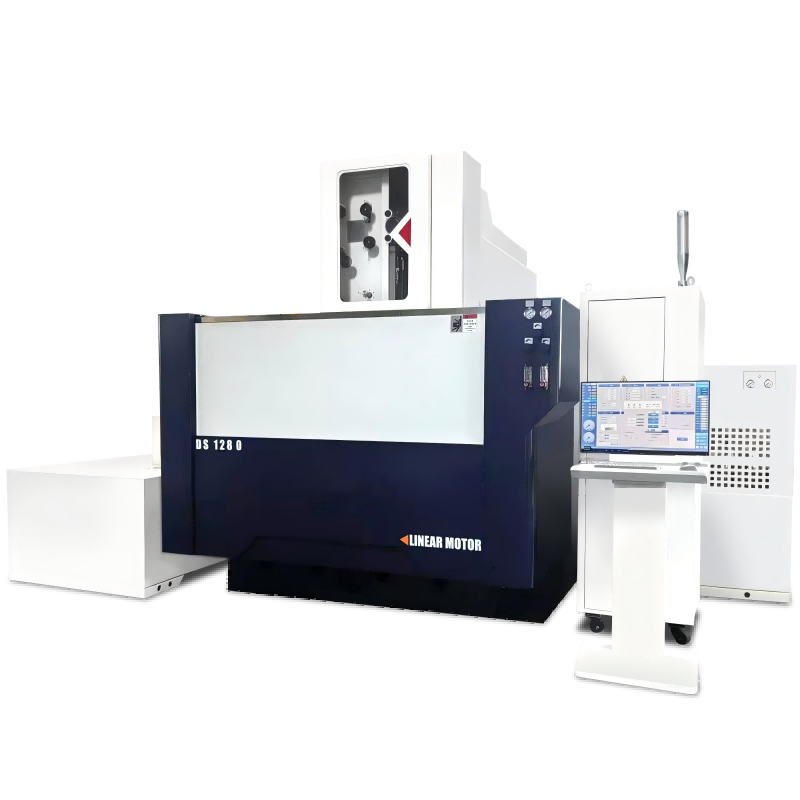
အီလက်ထရွန်ဒိုကို EDM လုပ်ငန်းစဉ်မှ အလွန်တိကျသော ပုံစံဖွဲ့မှုဖြင့် အရင်တွင် ထုတ်လုပ်ထားနိုင်သောကြောင့် ဆင်ကာ၏ တိကျမှု EDM ယဉ်ကျေးမှုခန်း သည် အဓိကအားဖြင့် လျှပ်ကူးသော အစိတ်အပိုင်းများ ထုတ်လုပ်မှု၏ အရည်အသွေးနှင့် စနစ်၏ နေရာချထားမှု ပုံမှန်မှုအပေါ်တွင် မှီခိုပါသည်။ အရည်အသွေးမြင့်မားသော ဂရပ်ဖိုက် (graphite) သို့မဟုတ် ကြေးနီ (copper) လျှပ်ကူးသော အစိတ်အပိုင်းများကို တိကျမှုရှိသော CNC ထုပ်ချုပ်မှုနှင့် ပေါင်းစပ်ခြင်းဖြင့် ထုတ်လုပ်သူများသည် မိုက်ခရွန်အဆင့် (micron-level) အတိအကျရှိသော အရွယ်အစားများဖြင့် အက်ခ်ဒီအမ် (EDM) အိတ်များကို ထပ်ခါထပ်ခါ ထုတ်လုပ်နိုင်ပါသည်။
အိတ်ဒီအမ် (EDM) အရည်အသွေးတွင် ပစ္စည်း၏ မာကြမ်းမှုသည် မပါဝင်သော အချက်
စင်ကာ (sinker) ၏ အရည်အသွေးကို မြင့်တင်ပေးသည့် အရေးကြီးဆုံး အိတ်ဒီအမ် (EDM) အရည်အသွေးမြင့်တင်မှု အားသာချက်များထဲမှ တစ်ခု EDM ယဉ်ကျေးမှုခန်း သည် ၎င်း၏ အလုပ်လုပ်ရာတွင် အလုပ်လုပ်သည့် ပစ္စည်း၏ မာကြမ်းမှုကို လုံးဝ မထောက်ထားခြင်းဖြစ်ပါသည်။ အက်ခ်ဒီအမ် (EDM) ဖြစ်စဉ်သည် စက်မှုနည်းလမ်းဖြင့် မဟုတ်ဘဲ အပူနည်းလမ်းဖြင့် ဖျက်ဆီးခြင်းဖြစ်သောကြောင့် ပုံမှန်သော သံမှုန် (soft steel)၊ မာကြမ်းသော ကိရိယာသံမှုန် (hardened tool steel)၊ ကာဘိုင်း (carbide) နှင့် အထူးသော စူပါအလော့ (exotic superalloys) တို့ပေါ်တွင် အတူတူပဲ အလုပ်လုပ်နိုင်ပါသည်။ ထို့ကြောင့် ထုတ်လုပ်သူများသည် အပူကုသမှုပြီးနောက် ပုံစံပေါ်တွင် ဖောက်ထားသည့် ပုံစံများကို အပူကုသမှုပြီးနောက် ပုံစံပေါ်တွင် ဖောက်ထားသည့် ပုံစံများကို အပူကုသမှုပြီးနောက် ပုံစံပေါ်တွင် ဖောက်ထားသည့် ပုံစံများကို အပူကုသမှုပြီးနောက် ပုံစံပေါ်တွင် ဖောက်ထားသည့် ပုံစံများကို အပူကုသမှုပြီးနောက် ပုံစံပေါ်တွင် ဖောက်ထားသည့် ပုံစံများကို အပူကုသမှုပြီးနောက် ပုံစံပေါ်တွင် ဖောက်ထားသည့် ပုံစံများကို အပူကုသမှုပြီးနောက် ပု......
ပုံသောင်းနှင့် အမိုက် (mold and die) ထုတ်လုပ်မှုတွင် ဤစွမ်းရည်သည် အရည်အသွေးဆိုင်ရာ လုပ်ဆောင်မှုစီစဥ်မှုကို အခြေခံကျစွာ ပြောင်းလဲပေးပါသည်။ အက်ခ်ဒီအမ် (EDM) အိတ်များကို အစပိုင်းတွင် ဖောက်ထားပြီး ပုံသောင်းကို မာကြမ်းစေပြီး ထို့နောက် EDM ယဉ်ကျေးမှုခန်း အဆုံးသတ်မှုအဆင့်တွင် အသုံးပြုနိုင်ပါသည်။ အဆုံးသတ် EDM လုပ်ဆောင်မှုမှီအထိ အပူကုသမှုကြောင့် ပုံစံပြောင်းလဲမှုများ ဖြစ်ပေါ်ပြီးသားဖြစ်သောကြောင့် အဆုံးသတ်အရွယ်အစားများသည် အသုံးပြုမည့်အချိန်တွင် ထုတ်လုပ်မည့် အစိတ်အပိုင်း၏ အရွယ်အစားကို တိကျစွာ ကိုယ်စားပြုပါသည်။ ထို့ကြောင့် အရေးကြီးသော အဆုံးသတ်အဆင့်တွင် အရွယ်အစားဆိုင်ရာ အန္တရာယ်ကို လျော့နည်းစေပါသည်။
ဤလုပ်ဆောင်မှုစီးဆီးလားသည် ယန္တရားဖြင့် ဖြတ်တောက်ခြင်းနည်းလမ်းများဖြင့် မှုန်းနိုင်ခြင်းမရှိပါ။ အကြောင်းမှာ အဆုံးသတ်မှုအဆင့်တွင် အလုပ်လုပ်ရမည့် အစိတ်အပိုင်းများကို ပိုမိုနုပ်သော အခြေအနေတွင် ထုတ်လုပ်ရန် လိုအပ်သောကြောင့်ဖြစ်ပါသည်။ အထွက်အလုပ်လုပ်ရမည့် အစိတ်အပိုင်းများကို အများအားဖြင့် အများကြီးမာသော အခြေအနေတွင် အတိအကျအရွယ်အစားဖြင့် ဖြတ်တောက်နိုင်ခြင်းသည် EDM ယဉ်ကျေးမှုခန်း အမြဲတမ်းမာသော အလုပ်လုပ်ရမည့် အစိတ်အပိုင်းများတွင် အထူးသဖြင့် အရည်အသွေးကောင်းမှုကို အောင်မြင်စွာ အောင်ထွက်နိုင်သည့် အဖြေတစ်ခုအဖြစ် အထူးသဖြင့် အသုံးဝင်ပါသည်။
EDM ဖြတ်တောက်မှုတွင် လုပ်ဆောင်မှုတူညီမှုနှင့် အရည်အသွေး ထပ်တဲ့မှု
CNC ထိန်းချုပ်မှုနှင့် အလိုအလျောက် ပါရာမီတာ စီမံခန့်ခွဲမှု
ခေတ်မီ EDM ယဉ်ကျေးမှုခန်း စနစ်များသည် လုပ်ငန်းစဉ်၏ အားလုံးသော အဆင့်များကို အလိုအလျောက် လုပ်ဆောင်ခြင်းနှင့် စောင်းကြည့်ခြင်းတို့ကို ပြုလုပ်သည့် CNC ထိန်းချုပ်မှုစနစ်များနှင့် နက်ရှိုင်းစွာ ပေါင်းစပ်ထားပါသည်။ စပာ့က်ဂက်ပ် ဗို့အား၊ ဒီစ်ချာ့ဂ် ကြိမ်နှုန်း၊ ဆာဗို တုံ့ပြန်မှုနှင့် ဒိုင်အီလက်ထရစ် အခြေအနေများကို အချိန်နှင့်တစ်ပါက် စောင်းကြည့်ပြီး အချိန်နှင့်တစ်ပါက် ညှိပေးပါသည်။ ဤပိတ်ထားသည့် ထိန်းချုပ်မှု အဆောက်အဦးသည် ရှည်လျားသည့် ထုတ်လုပ်မှု လုပ်ငန်းများတွင် အရည်အသွေး တည်ငြိမ်မှုကို အောင်မြင်စေရန် အခြေခံအားဖြင့် အထောက်အကူပေးသည့် အရေးကြီးသည့် အချက်ဖြစ်ပါသည်။ EDM ယဉ်ကျေးမှုခန်း ရှည်လျားသည့် ထုတ်လုပ်မှု လုပ်ငန်းများတွင် အရည်အသွေး တည်ငြိမ်မှုကို အောင်မြင်စေရန် အခြေခံအားဖြင့် အထောက်အကူပေးသည့် အရေးကြီးသည့် အချက်ဖြစ်ပါသည်။
အလိုအလျောက် ပါရာမီတာ စုစည်းမှုများသည် ထုတ်လုပ်သူများအား သိရှိထားသည့် ပစ္စည်းနှင့် ခွင့်ပေးထားသည့် အများဆုံး အမှားအမှင် တွေ့ရှိမှုများအတွက် စမ်းသပ်ပြီးသည့် လုပ်ငန်းစဉ် အခြေအနေများကို သိမ်းဆောင်ထားရန်နှင့် ပြန်လည် ခေါ်ယူရန် အခွင့်အရေးပေးပါသည်။ အသစ်သော အစိတ်အပိုင်းများ၏ အမုန်းအစုကို စတင်သည့်အခါ စနစ်သည် စမ်းသပ်ပြီးသည့် ပါရာမီတာများဖြင့် ဖွင့်လောက်ပါသည်။ ထို့ကြောင့် လုပ်သူများသည် စမ်းသပ်မှုများနှင့် အမှားအမှင်များကို ပြုလုပ်ရန် မလိုအပ်တော့ပါ။ ဤစွမ်းရည်သည် စတင်မှုအတွင်း အမှားအမှင်များကို လျော့နည်းစေပါသည်။ အတည်ပြုခြင်းအချိန်ကို တိုတောင်းစေပါသည်။ ထုတ်လုပ်မှုလုပ်ငန်းတွင် ပုံစံတစ်ခုချင်းစီသည် ပထမဆုံး ပုံစံနှင့် အရည်အသွေး အတူတူ ဖြစ်စေရန် သေချာစေပါသည်။
အမြင့်မာန် အတိကျမှု လုပ်ငန်းများတွင် ဤအဆင့်သော လုပ်ငန်းစဉ် အလိုအလျောက်ပြုလုပ်မှုသည် EDM ယဉ်ကျေးမှုခန်း ကို အတိကျမှု ကိရိယာသာမက အရည်အသွေး စနစ်တစ်ခုအဖြစ် ဖော်ပေးပါသည်။ CNC ထိန်းချုပ်မှုဖြင့် အတိကျမှု ထိန်းသိမ်းနိုင်မှုသည် EDM ယဉ်ကျေးမှုခန်း ထုတ်လုပ်သူများအနေဖြင့် စံချိန်စံညွှန်းအတိုင်း လုပ်ငန်းစဉ်ထိန်းချုပ်မှုဆိုင်ရာ စေတနာများကို စုစည်းရန်၊ Cpk တန်ဖီးများကို အတည်ပြုရန်နှင့် စီမံခန့်ခွဲမှုလုပ်ငန်းများတွင် လုပ်ငန်းစဉ်စွမ်းရည်ကို ဖော်ပြရန် အခွင့်အရေးပေးပါသည်။
အလုပ်သမ်းမပါဘဲ စက်မှုလုပ်ငန်းနှင့် အရည်အသွေးအာမခံခြင်း
EDM ယဉ်ကျေးမှုခန်း အလုပ်သမ်းမပါဘဲ စက်မှုလုပ်ငန်းနှင့် အလုပ်သမ်းမပါဘဲ ညဘက်လုပ်ငန်းများအတွက် အသင်းတော်သည်။ ထိုသို့သော လုပ်ငန်းစဉ်များသည် အရည်အသွေးတူညီမှုအတွက် အရေးကြီးသော အကျိုးသက်ရောက်မှုများရှိပါသည်။ အကြောင်းမှာ လုပ်ငန်းစဉ်သည် အရှိန်အဟောင်းမှုမရှိခြင်းနှင့် ကိုယ်တိုင်ထိန်းချုပ်နိုင်ခြင်းတို့ကြောင့် အများအားဖြင့် EDM ယဉ်ကျေးမှုခန်း စနစ်များကို ညဘက် သို့မဟုတ် အလုပ်အဖွဲ့များအလုပ်လုပ်နေစဉ် အလုပ်သမ်းမပါဘဲ လုပ်ဆောင်နိုင်ပါသည်။ ဝိုင်ယာ EDM စနစ်များပေါ်တွင် အလုပ်သမ်းမပါဘဲ ဝိုင်ယာကို ပြန်လည်ချိတ်ဆက်ခြင်းစနစ်သည် ဝိုင်ယာပျောက်ဆုံးမှုများမှ စနစ်ကို ပြန်လည်လုပ်ဆောင်နိုင်စေပြီး လူသားအကူအညီမရှိဘဲ ဖြတ်တောက်မှုကို ဆက်လက်လုပ်ဆောင်နိုင်ပါသည်။
အလုပ်သမ်းမပါဘဲ လုပ်ငန်းလုပ်ဆောင်ခြင်းသည် အလုပ်သမ်းများအကြား စီမံခန့်ခွဲမှု၊ စောင်းကြည့်မှုနှင့် လုပ်ဆောင်မှုဆိုင်ရာ ဆုံးဖြတ်ချက်များတွင် ကွဲလွဲမှုများကြောင့် အရည်အသွေးပေါ်တွင် ကွဲလွဲမှုများ ဖြစ်ပေါ်စေနိုင်ခြင်းကို လျော့နည်းစေပါသည်။ အခါများတွင် EDM ယဉ်ကျေးမှုခန်း စနစ်သည် အတည်ပြုထားသော ပရိုဂရမ်တစ်ခုအတွင်း အလုပ်သမ်းမပါဘဲ အလုပ်လုပ်ပါသည်။ ထိုအခါ အားလုံးသော အစိတ်အပိုင်းများသည် တူညီသော လုပ်ငန်းစဉ်အခြေအနေများကို ရရှိပါသည်။ ထိုသို့သော အခြေအနေများသည် အရည်အသွေးတူညီမှုအတွက် အခြေခံဖြစ်ပါသည်။ ထိုလက္ခဏာသည် EDM ယဉ်ကျေးမှုခန်း အရည်အသွေးတည်ငြိမ်မှုကို လေးနက်သော ဖောက်သည်များအား ပြသရန် လိုအပ်သည့် တိကျမှုအတွက် စံချိန်စံညွှန်းများနှင့် ကိုက်ညီသော စီမံခန့်ခွဲမှုများကို လုပ်ဆောင်သည့် ကုန်ထုတ်လုပ်ရေးလုပ်ငန်းများအတွက် ဆွဲဆောင်မှုရှိပါသည်။
လုပ်ငန်းစဉ်အတွင်း တိုင်းတာမှုနှင့် လိုက်လျောညီထွှင်သော ပြန်လည်အကူအညီပေးမှုစနစ်များနှင့် ချိတ်ဆက်မှုသည် ဤတည်ငြိမ်မှုကို နောက်တစ်ဆင့် မြင့်တင်ပေးပါသည်။ အချို့သော အဆင့်မြင့် EDM ယဉ်ကျေးမှုခန်း ပလက်ဖောင်းများသည် စက်ယန္တရားအတွင်း အရွယ်အစားဆိုင်ရာ ပြန်လည်အကူအညီပေးမှုအပေါ် အခြေခံ၍ ဖြတ်တောက်မှု ပါရာမီတာများကို ချိန်ညှိနိုင်ပါသည်။ ဤသို့ဖြင့် လျှပ်မှုအိုင်းရှင် (electrode) ပုပ်စေမှု သို့မဟုတ် ပစ္စည်းဂုဏ်သတ္တိများ ပြောင်းလဲမှုကို အလိုအလျောက် ပြုပြင်ပေးပါသည်။ ထို့ကြောင့် လုပ်သမ်းများ၏ လက်တွေ့လုပ်ဆောင်မှုများ မလိုအပ်ဘဲ ပုံစံအတိုင်း အရွယ်အစားများကို ထိန်းသိမ်းပေးနိုင်ပါသည်။
EDM စက်ဖွဲ့စည်းမှုသည် အရည်အသွေးအကောင်းဆုံး အကျိုးကျေးဇူးများကို ပေးစေသည့် အသုံးပြုမှုအခြေအနေများ
ပုံသေပုံစံ၊ ပုံသေပုံစံအတွက် အသုံးပြုသည့် သံမဏိများနှင့် ပုံသေပုံစံအတွက် အသုံးပြုသည့် သံမဏိများ
EDM ယဉ်ကျေးမှုခန်း ပုံသေပုံစံနှင့် ပုံသေပုံစံအတွက် အသုံးပြုသည့် သံမဏိများ ထုတ်လုပ်မှုတွင် EDM စက်ဖွဲ့စည်းမှုသည် အချိန်ကြာမှုအတွင်း အဓိက အဆင်းသော ပြီးစီးမှုလုပ်ငန်းစဉ်ဖြစ်လာခဲ့ပါသည်။ အကြောင်းမှာ အရွယ်အစားများကို တိကျစွာ ထိန်းသိမ်းနိုင်သည့် အရွယ်အစားများ၊ ရှုပ်ထွေးသည့် ပုံပေါ်မှုများကို ဖန်တီးနိုင်သည့် စွမ်းရည်များနှင့် မျှတသည့် မျက်နှာပြင်အရေးအသားများ တွေ့ရှိရသည့် အတွက် ဖြစ်ပါသည်။ ထို့ကြောင့် အရွယ်အစားများနှင့် မျက်နှာပြင်အရေးအသားများကို တိကျစွာ ထိန်းသိမ်းနိုင်သည့် အရွယ်အစားများနှင့် မျက်နှာပြင်အရေးအသားများကို တိကျစွာ ထိန်းသိမ်းနိုင်သည့် အရွယ်အစားများနှင့် မျက်နှာပြင်အရေးအသားများကို တိကျစွာ ထိန်းသိမ်းနိုင်သည့် အရွယ်အစားများနှင့် မျက်နှာပြင်အရေးအသားများကို တိကျစွာ ထိန်းသိမ်းနိုင်သည့် အရွယ်အစားများနှင့် မျက်နှာပြင်အရေးအသားများကို တိကျစွာ ထိန်းသိမ်းနိုင်သည့် အရွယ်အစားများနှင့် မျက်နှာပြင်အရေးအသားများကို တိကျစွာ ထိန်းသိမ်းနိုင်သည့် အရွယ်အစားများနှင့် မျက်နှာပြင်အရေးအ...... EDM ယဉ်ကျေးမှုခန်း အရွယ်အစားများနှင့် မျက်နှာပြင်အရေးအသားများကို တိကျစွာ ထိန်းသိမ်းနိုင်သည့် အရွယ်အစားများနှင့် မျက်နှာပြင်အရေးအသားများကို တိကျစွာ ထိန်းသိမ်းနိုင်သည့် အရွယ်အစားများနှင့် မျက်နှာပြင်အရေးအသားများကို တိကျစွာ ထိန်းသိမ်းနိုင်သည့် အရွယ်အစားများနှင့် မျက်နှာပြင်အရေးအသားများကို တိကျစွာ ထိန်းသိမ်းနိုင်သည့် အရွယ်အစားများနှင့် မျက်နှာပြင်အရေးအသားများကို တိကျစွာ ထိန်းသိမ်းနိုင်သည့် အရွယ်အစားများနှင့် မျက်နှာပြင်အရေးအသားများကို တိကျစွာ ထိန်းသိမ်းနိုင်သည့် အရွယ်အစားများနှင့် မျက်နှာပြင်အရေးအသားမ...... EDM ယဉ်ကျေးမှုခန်း သည် အကောင်းဆုံးဖြေရှင်းနည်းကို ပေးစေပါသည်။
အင်ဂျက်ရှင် မော်လ်ဒင်း စက်ကိရိယာများတွင် ကော်ဖီတီ မျက်နှာပုံအဆင့်သည် ပစ္စည်းအရည်အသွေးနှင့် စက်လုပ်ဆောင်မှုအချိန်ကို တိုက်ရိုက်အကျိုးသက်ရောက်မှုရှိပါသည်။ အထူးသဖြင့် EDM ဖြင့် အဆင့်မြင့်မှုပေးထားသော မျက်နှာပုံများသည် လက်ဖျားဖြင့် ပေးသော မှုန်ညှင်းခြင်းလုပ်ငန်းကို လျော့နည်းစေပါသည်။ ထိုလက်ဖျားဖြင့် ပေးသော မှုန်ညှင်းခြင်းသည် အရည်အသွေးမှုန်ညှင်းမှုများကို ဖော်ပေးရန် ခက်ခဲပါသည်။ ထို့အပေါ်အခြေခံ၍ အဆင့်မြင့်မှုန်ညှင်းခြင်း EDM ယဉ်ကျေးမှုခန်း နည်းလမ်းများကို အသုံးပြုခြင်းဖြင့် စက်ကိရိယာ ထုတ်လုပ်သူများသည် မော်လ်ဒင်းပစ္စည်းအရည်အသွေးနှင့် ကောင်းစွာဆက်စပ်နေသော မျက်နှာပုံအဆင့်အတိုင်းအတာများကို သတ်မှတ်နှင့် အကောင်အထည်ဖော်နိုင်ပါသည်။
စတမ်ပင်နှင့် ဘလန်ကင်း သော့ချက်များအတွက် အရေးကြီးသည်မှာ EDM ယဉ်ကျေးမှုခန်း အထူးသဖြင့် အမြဲတမ်းခိုင်မာသော သံမှုန်ပစ္စည်းများတွင် အနားမှုန်ညှင်းမှုများကို အန်တီ-ဘာ (burr-free) ဖြင့် ထုတ်လုပ်နိုင်မှုဖြစ်ပါသည်။ အမြဲတမ်းခိုင်မာသော ပစ္စည်းများတွင် မှုန်ညှင်းအနားများကို စက်မှုနည်းဖြင့် ထုတ်လုပ်ရာတွင် အန်တီ-ဘာဖြစ်စေရန် ခက်ခဲပါသည်။ သို့သော် EDM ယဉ်ကျေးမှုခန်း သည် ပစ္စည်း၏ ခိုင်မာမှုအဆင့်ကို မှီတွယ်မှုမရှိဘဲ အန်တီ-ဘာဖြစ်သော အနားများကို အမျှတ်တမ်းအတိုင်း ထုတ်လုပ်ပေးနိုင်ပါသည်။ ထို့ကြောင့် သော့ချက်များ၏ အသက်တမ်းကို တိုးမြှင့်ပေးပါသည်။ ထို့အပေါ်အခြေခံ၍ စတမ်ပင်လုပ်ထုတ်သော ပစ္စည်းများ၏ အရည်အသွေးကိုလည်း မြှင့်တင်ပေးပါသည်။
လေကြောင်း၊ ဆေးဘက်ဆိုင်ရာနှင့် အထူးသဖြင့် အရည်အသွေးမြင့်မားသော စက်မှုပစ္စည်းများ
စက်ကိရိယာများအပေါ်တွင် အပေါ်ထက် EDM ယဉ်ကျေးမှုခန်း လေကြောင်းအာကာသ၊ ဆေးဘက်ဆိုင်ရာပစ္စည်းများနှင့် အထူးသဖွယ်အတန်းမြင့်သော စက်မှုလုပ်ငန်းများတွင် တိကျမှုရှိသော အစိတ်အပိုင်းများကို တိုက်ရိုက်ထုတ်လုပ်ရာတွင် အရေးပါသော အခန်းကဏ္ဍမှ ပါဝင်ပါသည်။ တာဘိုင်းဘလေဒ်များ၏ အအေးခံပေါက်များ၊ လောင်စာနောဇ်များ၏ အောက်စီဖိုင်များ၊ အသုံးပြုသည့် အေးခဲသော ဆေးကုသမှုပစ္စည်းများ၏ အစိတ်အပိုင်းများနှင့် တိကျမှုရှိသော စက်ပစ္စည်းများ၏ အစိတ်အပိုင်းများသည် အတိအကျမှုနှင့် ပစ္စည်းအမျိုးအစားမှ လွတ်မောင်းသည့် သဘောသော အသုံးပြုမှုကို အကောင်အထည်ဖော်ကြပါသည်။ EDM ယဉ်ကျေးမှုခန်း .
လေကြောင်းအာကာသ အသုံးပြုမှုများတွင် နိကယ် စူပါအလေားများနှင့် တိုင်တေးနီယမ် အလေားများသည် ၎င်းတို့၏ မာကြမ်းမှုနှင့် အပူခံနိုင်မှုကြောင့် သာမန် စက်ဖြင်းမှုများကို ခုခံနေပါသည်။ EDM ယဉ်ကျေးမှုခန်း သည် စက်မှုဖြတ်တေးမှုများတွင် ဖြစ်ပေါ်လေ့ရှိသည့် ကိရိယာများ ပုပ်စေခြင်းနှင့် မျက်နှာပုံပျက်စေခြင်း ပြဿနာများကို ရှောင်ရှားရန် ရှုပ်ထွေးသည့် အစိတ်အပိုင်းများ၏ ပုံစံများကို အောင်မ်းနိုင်သည့် ယုံကြည်စိတ်ချရသော နည်းလမ်းကို ပေးစေပါသည်။ EDM ယဉ်ကျေးမှုခန်း ၏ အပူစွမ်းအင်အခြေပြု အလုပ်လုပ်မှုသည် စက်မှုဖြတ်တေးမှုများတွင် ဖြစ်ပေါ်သည့် ပစ္စည်းများ၏ မာကြမ်းမှုနှင့် ခံနိုင်ရည်ရှိမှုကို ကန့်သတ်မှုများမှ လွတ်မောင်းပါသည်။
ဆေးဘက်ဆိုင်ရာပစ္စည်းများ ထုတ်လုပ်ရာတွင် စံနှုန်းများနှင့် လုပ်ဆောင်မှုဆိုင်ရာ လိုအပ်ချက်များကို ဖော်ထုတ်ရန် အတိအကျရှိသည့် အရွယ်အစားများနှင့် အသေးစိတ်အထုပ်အပိုးများကို လိုအပ်ပါသည်။ EDM ယဉ်ကျေးမှုခန်း လုပ်ဆောင်ချက်နှစ်ရပ်လုံးကို တစ်ပါတည်း ဖော်ထုတ်ပေးပြီး အရွယ်အစားအတိအကျရှိသော အင်္ဂါရပ်များကို ထုတ်လုပ်ပေးနိုင်ပါသည်။ ထို့အပ alongside အစိတ်အပိုင်းများ၏ အရည်အသွေးကို ထိခိုက်စေနိုင်သည့် အမှုန်များ (burrs)၊ အမှုန်များ ပေါ်လေးခြင်း (smearing) နှင့် ယန္တရားမှ ဖြစ်ပေါ်လာသည့် ပျက်စီးမှုများများမှ လွတ်မ်းသည့် အစိတ်အပိုင်းများကို ထုတ်လုပ်ပေးနိုင်ပါသည်။ ထိုသို့သော အစိတ်အပိုင်းများသည် ဆေးဘက်ဆိုင်ရာ အသုံးပျော်များတွင် အရေးကြီးသည့် အရည်အသွေးများကို ထိန်းသိမ်းရာတွင် အရေးပါပါသည်။
မေးလေ့ရှိသောမေးခွန်းများ
EDM စက်ဖော်ထုတ်မှုဖြင့် အသုံးပြုနိုင်သည့် ပစ္စည်းအမျိုးအစားများများကား အဘယ်နည်း။
EDM ယဉ်ကျေးမှုခန်း eDM စက်ဖော်ထုတ်မှုသည် ပစ္စည်း၏ အမျိုးအစားနှင့် အမျိုးအစားအလိုက် မှုန်းမှုန်းမှု အားလုံးကို ဖော်ထုတ်နိုင်ပါသည်။ ထိုသို့သော ပစ္စည်းများတွင် သံမှုန်အမျိုးအစားအားလုံး၊ အမျိုးအစားအလိုက် မှုန်းမှုန်းမှု အမျိုးအစားများ၊ ကာဘိုင်ဒ်၊ တိုင်တေနီယမ်၊ နီကယ် စူပာအလေားများ၊ ကြေးနီ၊ အလူမီနီယမ် နှင့် လျှပ်စီးနိုင်သည့် ကြေးနီများ ပါဝင်ပါသည်။ ထိုစက်ဖော်ထုတ်မှုသည် အထူးသဖြင့် အမျိုးအစားအလိုက် မှုန်းမှုန်းမှု အမျိုးအစားများကို အသုံးပြုရာတွင် အထူးသဖြင့် အကောင်းများ ဖော်ထုတ်နိုင်ပါသည်။ ထိုသို့သော ပစ္စည်းများသည် အမျိုးအစားအလိုက် မှုန်းမှုန်းမှု အမျိုးအစားများကို အသုံးပြုရာတွင် အထူးသဖြင့် အကောင်းများ ဖော်ထုတ်နိုင်ပါသည်။
EDM စက်ဖော်ထုတ်မှုသည် ပုံမှန် မီလ်လင်းနှင့် တာန်နင်းစက်ဖော်ထုတ်မှုများထက် ပိုမိုတိကျသည့် အရည်အသွေးကို မည်သို့ ဖော်ထုတ်နိုင်ပါသနည်း။
EDM ယဉ်ကျေးမှုခန်း ဤနည်းစနစ်သည် စက်မှုအတိုင်းအတာဖြင့် ဖြတ်တောက်ခြင်းအားကို မသုံးဘဲ ထိန်းချုပ်ထားသော အပူစွမ်းအင်ဖြင့် ပစ္စည်းများကို ဖယ်ရှားခြင်းကြောင့် အထူးသဖြင့် တိကျမှုများကို ရရှိစေပါသည်။ အလုပ်လုပ်ရေးပစ္စည်းပေါ်သို့ ဖြတ်တောက်ခြင်းအားများ မသုံးသောကြောင့် ပစ္စည်းပုံစံပေါ်တွင် အနိမ့်အမြင့်ဖောက်ခြင်း၊ တုန်ခါမှု သို့မဟုတ် ကိရိယာဖိအားကြောင့် ဖြစ်ပေါ်လာသော အမှားအမှင်များ မရှိပါ။ စပါ့က်အကွာအဝေးကို မိုက်ခရွန်အဆင့်အထ do အထိ စီမံထိန်းချုပ်ထားပြီး စံသတ်မှတ်ချက်များအရ မျက်နှာပုံပေါ်လွှမ်းမှုကို ထိန်းချုပ်နိုင်ပါသည်။ ထို့ကြောင့် ကိရိယာအသုံးပြုမှုကြောင့် ပုံပေါ်လွှမ်းမှု ပြောင်းလဲမှု သို့မဟုတ် ဖြတ်တောက်ခြင်းအားများပေါ်တွင် မှီခိုမှုမရှိဘဲ အတိအကျဖြင့် အရည်အသွေးကောင်းများကို ထုတ်လုပ်နိုင်ပါသည်။
EDM စက်သုံးခြင်းသည် အထူးသဖြင့် အများအပြားထုတ်လုပ်ခြင်းအတွက်သာမက ပရိုတိုကော့စ်အတွက်လည်း သင့်တော်ပါသလား။
ဟုတ်တယ်၊ EDM ယဉ်ကျေးမှုခန်း ပရိုတိုကော့စ်ဖွံ့ဖြိုးရေးနှင့် အထူးသဖြင့် အများအပြားထုတ်လုပ်ခြင်းအတွက် အသုံးဝင်ပါသည်။ ပရိုတိုကော့စ်အတွက် အထူးသဖြင့် အသုံးပြုရန် ဖြတ်တောက်ခြင်းကိရိယာများ မလိုအပ်ဘဲ ရှုပ်ထွေးသော ပုံစံများကို အများအပြားအကြိမ်ကြိမ် အလွယ်တက် ပြောင်းလဲနိုင်ပါသည်။ အများအပြားထုတ်လုပ်ခြင်းအတွက် CNC အလိုအလျောက်စနစ်၊ သတ်မှတ်ထားသော စံသတ်မှတ်ချက်များကို သိမ်းဆောင်ထားခြင်းနှင့် လူသို့မဟုတ် စီမံခန့်ခွဲမှုမရှိဘဲ အလုပ်လုပ်နိုင်သော စွမ်းရည်များကြောင့် EDM ယဉ်ကျေးမှုခန်း အတိအကျဖြင့် ထုတ်လုပ်နိုင်သော အများအပြားထုတ်လုပ်ခြင်းအတွက် ထိရောက်မှုရှိသော စွမ်းရည်ကောင်းများကို ပေးစေပါသည်။
EDM စက်သုံးခြင်းဖြင့် ရရှိနိုင်သော မျက်နှာပုံပေါ်လွှမ်းမှု အများအပြားမှာ အဘယ်နည်း။
EDM စက်သုံးခြင်းဖြင့် ရရှိနိုင်သော EDM ယဉ်ကျေးမှုခန်း လုပ်စဉ်အမျိုးအစားနှင့် အသုံးပြုသည့် ပါရာမီတာဆက်စပ်ချက်များပေါ်တွင် မူတည်ပါသည်။ ဝိုင်ယာ EDM ယဉ်ကျေးမှုခန်း အဆုံးသတ်အဆင့်များဖြင့် ရောင်းအောင်းမှု (Ra) တန်ဖိုးများကို မိုက်ခရွန် ၀.၂ အောက်သို့ ရောက်ရှိစေနိုင်ပါသည်။ စင်ကာ EDM ယဉ်ကျေးမှုခန်း အသေးစိတ်အဆုံးသတ်ပေးသည့် ပါရာမီတာများဖြင့် ရောင်းအောင်းမှု (Ra) တန်ဖိုးများကို မိုက်ခရွန် ၀.၄ မှ ၁.၀ အထိ ရောက်ရှိစေပါသည်။ ဤတန်ဖိုးများသည် လုပ်ဆောင်နေသည့် များစွာသော မျက်နှာပြင်များနှင့် မျက်နှာပြင်အရည်အသွေးနီးပါး အလင်းရောင်အသုံးပြုမှုအတွက် လုံလောက်ပါသည်။ ထို့ကြောင့် အဆုံးသတ်အဆင့်တွင် လက်ဖြင့် မှုန်းခြင်းကို မလိုအပ်တော့ပါသည်။
အကြောင်းအရာများ
- EDM စက်မှုလုပ်ငန်းတွင် အတိကျမှုကို ဖန်တီးပေးသည့် အဓိက လုပ်ငန်းစဉ်
- ဝိုင်ယာ EDM စက်ဖွကဴးခြင်းနှင့် ၎င်း၏ တိကျမှု အက advantage များ
- ရှုပ်ထွေးသော အောက်ခေါင်းပေါက်များအတွက် စင်ကာ EDM ဖြတ်ထုတ်မှု
- EDM ဖြတ်တောက်မှုတွင် လုပ်ဆောင်မှုတူညီမှုနှင့် အရည်အသွေး ထပ်တဲ့မှု
- EDM စက်ဖွဲ့စည်းမှုသည် အရည်အသွေးအကောင်းဆုံး အကျိုးကျေးဇူးများကို ပေးစေသည့် အသုံးပြုမှုအခြေအနေများ
-
မေးလေ့ရှိသောမေးခွန်းများ
- EDM စက်ဖော်ထုတ်မှုဖြင့် အသုံးပြုနိုင်သည့် ပစ္စည်းအမျိုးအစားများများကား အဘယ်နည်း။
- EDM စက်ဖော်ထုတ်မှုသည် ပုံမှန် မီလ်လင်းနှင့် တာန်နင်းစက်ဖော်ထုတ်မှုများထက် ပိုမိုတိကျသည့် အရည်အသွေးကို မည်သို့ ဖော်ထုတ်နိုင်ပါသနည်း။
- EDM စက်သုံးခြင်းသည် အထူးသဖြင့် အများအပြားထုတ်လုပ်ခြင်းအတွက်သာမက ပရိုတိုကော့စ်အတွက်လည်း သင့်တော်ပါသလား။
- EDM စက်သုံးခြင်းဖြင့် ရရှိနိုင်သော မျက်နှာပုံပေါ်လွှမ်းမှု အများအပြားမှာ အဘယ်နည်း။