EN
EN



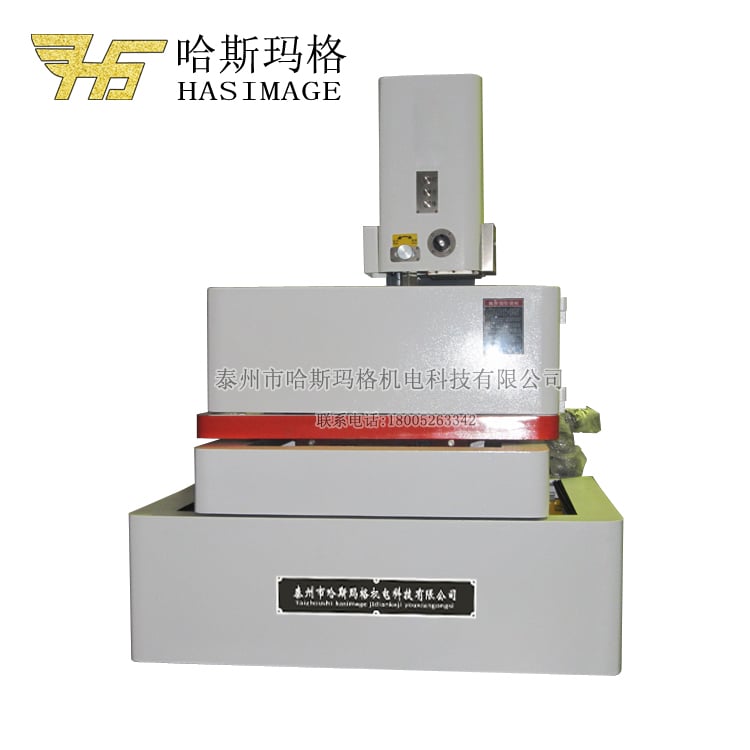
Safe Wire EDM operation starts with the instructions for the exact machine, not a generic voltage, fluid-change interval or PPE list. Before cutting, the operator should confirm training and authorization, guards and interlocks, emergency controls, workholding, wire routing, working-fluid condition, electrical installation and program clearance. Stop the machine when an abnormal condition appears, and isolate hazardous energy before maintenance or reaching into an area where unexpected motion or energization could cause harm.
This guide is a practical review for HarsMarg single-cut Wire EDM machines and multi-cut Wire EDM machines. Both current ranges use drum-stored, reciprocating molybdenum wire and cut electrically conductive workpieces by controlled electrical discharge. It does not replace the model-specific operating manual, machine nameplate, electrical drawings, working-fluid safety data sheet, employer risk assessment or applicable requirements at the installation site.
What Does This Wire EDM Safety Checklist Cover?
The checklist covers normal preparation, setup, cutting, shutdown and maintenance planning for a reciprocating Wire EDM machine. The exact controls depend on the model, configuration, controller, working fluid, auxiliary equipment and local installation. The owner should convert the machine documentation and site risk assessment into a written procedure for operators, maintenance personnel and outside service technicians.
Do not use this page as an authorization to work on energized electrical equipment. Electrical installation, testing and cabinet service should be completed only by personnel qualified for the work and in accordance with the documentation and rules that apply at the destination.
1. Checks Before Starting the Machine
- Confirm the correct documents. Use the operating manual, electrical drawings, machine nameplate, controller instructions, working-fluid specification and safety data sheet for the actual machine and configuration.
- Confirm operator readiness. Only trained and authorized personnel should set up or operate the machine. The operator should know the normal stop, emergency stop, main isolating device and the site's emergency procedure.
- Inspect the work area. Keep access to controls, electrical enclosures and exits clear. Remove slip and trip hazards and clean any leak using the site's approved procedure.
- Inspect safeguards. Check that required covers, guards, doors, limit functions and interlocks are present and show no obvious damage. Do not operate with a defeated or bypassed safeguard.
- Inspect the wire system. Check the molybdenum wire, drum, guide path, guide wheels and tensioning components for incorrect routing, obstruction, excessive wear or visible damage. Follow the manual for threading and tension.
- Check the working-fluid system. Confirm the specified fluid, level, condition, filtration, flow path, hoses and visible connections. Do not substitute a fluid or additive without confirmation for the selected machine.
- Review the program and movement. Confirm the work zero, travel, contour, taper settings when used, fixture clearance and wire path. Use the controller's approved setup, simulation or low-risk verification method when the manual provides one.
If a guard, interlock, emergency control, electrical enclosure, wire-transport component or fluid system is damaged or behaving abnormally, label the condition and keep the machine out of production until an authorized person has assessed it.
2. Safe Workholding and Wire Setup
Workpiece Handling and Clamping
Check the workpiece and fixture against the selected model's travel, worktable, load and clearance limits. Use suitable handling equipment for a part that cannot be positioned safely by hand. Support the load during placement, keep hands away from pinch points and confirm that the load is stable before removing the handling device.
Clamp on stable surfaces and verify that the workpiece cannot move under flushing or axis movement. The fixture, clamps and any support must remain clear of the programmed wire path through the complete contour and taper range. Confirm the required electrical contact between the conductive workpiece and the machine circuit according to the operating manual.
Wire Threading and Drum Safety
Use the machine's designated threading or setup procedure. Keep hands, clothing, tools and cleaning materials away from the wire drum, guide wheels and other pinch or entanglement points. Never touch, guide or clean the wire while it is reciprocating. Secure loose clothing and jewelry and restrain long hair before working near the machine.
Before correcting a jam, broken wire or incorrect route, stop the machine and follow the model-specific safe-access and energy-control procedure. A stopped display or stationary wire alone does not prove that the equipment is isolated.
3. Electrical and Working-Fluid Precautions
Electrical Installation and Access
Match the incoming supply, protective earthing or grounding, overcurrent protection, cable size and isolating arrangement to the machine nameplate, electrical drawings and local installation requirements. Keep electrical cabinets closed during normal operation and protect them from working-fluid leaks and unauthorized access.
Do not reach into an electrical enclosure, defeat an interlock or troubleshoot exposed energized parts unless the work is specifically required, risk-assessed and performed by qualified personnel using an approved procedure. Do not copy a voltage range or protection device from another model or another country's installation.
Working Fluid, Filtration and Leaks
Use only the working fluid and concentration or preparation specified for the selected machine. Check the supplier's safety data sheet for handling, skin or eye contact, ventilation, storage, spill response and disposal information. Fluid service life should be determined from the machine and fluid guidance plus actual condition; it should not be set from a universal calendar interval.
During setup, confirm that filters, nozzles, pumps, hoses and returns are correctly installed. Stop and assess an unexpected leak, loss of flow, excessive foaming, unusual odor or abnormal temperature indication. Keep the floor clean and dry enough for safe footing, and dispose of used fluid and filters according to the applicable site and local requirements.
4. Precautions During Cutting
- Close the required guard or cover and keep the cutting area clear before enabling wire motion or discharge power.
- Start with the verified program, work zero and process settings for the workpiece. Do not use a remembered setting as proof that a different material, thickness or contour is safe.
- Monitor the controller and normal machine indicators, wire motion, working-fluid flow and the work area.
- Stop the process if there is abnormal vibration, repeated wire breakage, unstable wire motion, unexpected axis movement, unusual sound or odor, smoke, leakage, loss of fluid flow or a safeguard alarm.
- Do not reach into the working area, touch the wire or reposition a clamp while the machine is cutting or the wire transport is moving.
- Do not bypass an alarm, door function, limit or interlock to maintain production.
- Leave a running machine unattended only when the specific machine configuration, operating manual and the site's written procedure explicitly permit it and the required monitoring and response arrangements are active.
If the wire breaks, use the normal stop or emergency stop as appropriate, wait for all motion to stop, and follow the approved safe-access procedure before removing the broken wire or rethreading. Investigate repeated breakage rather than repeatedly restarting without finding the cause.
5. PPE and Safe Personal Conduct
PPE should be selected from the employer's risk assessment, the task and the safety data sheet for the working fluid. Appropriate protection may differ between normal operation, handling a sharp workpiece, changing filters, cleaning a spill and electrical service. PPE does not replace a guard, interlock, safe-access procedure or energy isolation.
For example, the site assessment may call for eye protection during threading, cleaning or tasks with splash risk; suitable hand protection when handling a stopped, sharp-edged workpiece or the specified fluid; and protective footwear for workpiece handling. Gloves must not introduce an entanglement hazard near a moving wire, drum or guide. Do not publish one glove, clothing or eye-protection specification as “mandatory” for every site without the machine, task and jurisdiction being assessed.
6. Maintenance and Hazardous-Energy Isolation
Maintain the wire path, guides, contacts, drum system, filtration, pumps, hoses, electrical enclosure, guards and safety functions according to the selected machine's maintenance schedule. Record faults and completed work so repeated wire, fluid, alarm or motion problems can be investigated.
Before service, cleaning, adjustment or clearing a jam that could expose a person to unexpected movement or energization, use the site's documented hazardous-energy-control procedure. Identify every relevant energy source, shut the machine down, operate the proper isolating device, prevent restart, control stored or residual energy and verify the safe condition before work begins. The procedure and authorized personnel must be defined by the employer and the rules that apply at the installation site.
Use replacement parts and settings confirmed as compatible with the exact model and configuration. Do not defeat an interlock, alter an electrical protective function or change a safety-related setting without documented engineering authorization. After maintenance, confirm that tools and temporary devices are removed, guards are restored and the affected personnel are clear before controlled restart.
7. Emergency Stop and Incident Response
An emergency-stop button is not automatically an energy-isolating device. It is used to stop a hazardous situation, but the machine may still contain electrical or stored energy. Operators should know the separate locations and functions of the normal stop, emergency stop and main isolating device for their machine.
- If an unsafe condition develops, stop the machine using the appropriate control without putting yourself at additional risk.
- Keep people away from the affected area and follow the site's emergency plan.
- Where safe access or service is required, have authorized personnel isolate and verify the relevant energy sources before intervention.
- For electric shock, fire, smoke, significant fluid release or injury, contact the site's emergency response and public emergency services as required. Firefighting or rescue should be attempted only by trained people using the site's approved equipment and procedure.
- Do not restart the machine until the event, damage and underlying cause have been assessed and the equipment has been released for use by an authorized person.
Test emergency controls and safety functions at the intervals and by the method specified in the machine documentation and site program. Do not assume that pressing an emergency stop proves that all power has been removed.
8. Is This Checklist Also for CNC Diamond Wire Saws?
No. A CNC diamond wire saw mechanically removes material with fixed diamond abrasive. It is not Wire EDM, and the workpiece does not need to be electrically conductive. HarsMarg diamond-wire machines include reciprocating drum-wire and endless-loop structures, so their wire-motion, breakage, guarding, tension, coolant and abrasive-waste risks must be reviewed using the manual and configuration for that machine.
The two product families may both be called “wire cutting machines,” but a Wire EDM checklist should not be copied to a diamond wire saw as a complete procedure.
9. Safety Information to Confirm Before Ordering
When requesting a technical quotation, send enough information to review both process suitability and site preparation:
- Required machine type: single-cut or multi-cut Wire EDM
- Workpiece material and grade, dimensions, thickness and weight
- Drawing, contour, taper and required tolerance or surface finish
- Loading, lifting, fixture and automation requirements
- Destination country, installation environment, incoming voltage and frequency
- Available floor space, foundation or leveling constraints and access for delivery
- Required guarding, interlocks, electrical documentation and site interfaces
- Working-fluid restrictions, filtration and disposal requirements
- Operator and maintenance training scope, language and service expectations
- Any customer, industry or local safety requirements that must be addressed in the quotation
Review the complete HarsMarg Wire EDM range, then send the machine and application requirements for a configuration-specific technical review. The final quotation and supplied documentation should identify the selected machine, power requirements, included safety functions, installation responsibilities, working-fluid requirements and training scope.
Frequently Asked Questions
Does pressing the emergency stop make a Wire EDM safe to service?
Not by itself. The emergency stop is intended to stop a hazardous situation, but it may not isolate every electrical or stored-energy source. Service and intrusive maintenance require the site's approved energy-isolation procedure and verification by authorized personnel.
How often should Wire EDM working fluid be replaced?
There is no reliable universal interval for every machine and fluid. Follow the selected machine and fluid instructions, and consider actual use, concentration or condition, contamination, filtration performance and process stability. Do not copy a fixed month range from an unrelated machine.
What PPE is required for Wire EDM?
The required PPE depends on the task, machine, working fluid, site risk assessment and local rules. Normal operation, sharp-part handling, filter service, spill cleanup and electrical work are different tasks. PPE should be specified by the employer for each task and must not replace guarding, safe access or energy isolation.
Can the same safety procedure be used for single-cut and multi-cut machines?
The general controls are similar because both HarsMarg ranges use reciprocating, drum-stored molybdenum wire. However, the exact guards, controller functions, wire path, working-fluid system, electrical configuration and maintenance steps are model-specific. Use the manual and procedure for the supplied machine.
Table of Contents
- What Does This Wire EDM Safety Checklist Cover?
- 1. Checks Before Starting the Machine
- 2. Safe Workholding and Wire Setup
- 3. Electrical and Working-Fluid Precautions
- 4. Precautions During Cutting
- 5. PPE and Safe Personal Conduct
- 6. Maintenance and Hazardous-Energy Isolation
- 7. Emergency Stop and Incident Response
- 8. Is This Checklist Also for CNC Diamond Wire Saws?
- 9. Safety Information to Confirm Before Ordering
- Frequently Asked Questions