EN
EN



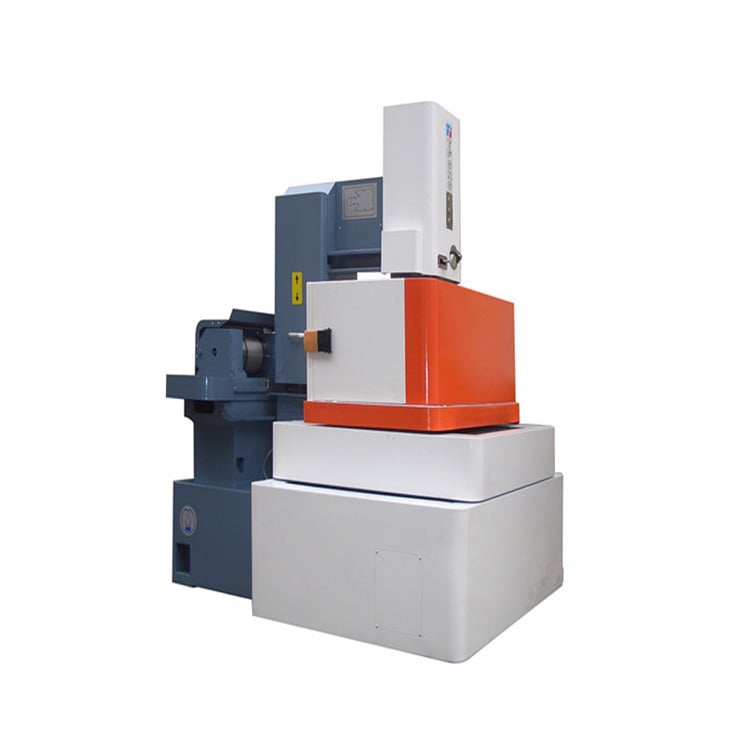
Improving productivity with EDM machines starts with the number of accepted parts completed over the full job, including preparation, machining, interruptions and inspection. Identify the actual bottleneck before changing a process. Compare candidate settings or routes against the same drawing and acceptance requirements, recording both time and consumable use rather than assuming higher output or profit.
Understanding EDM Technology Fundamentals
Core Operational Principles
EDM removes material through electrical discharges across a dielectric-filled gap, rather than through contact with a cutting edge. The discharge still produces thermal surface changes and can affect residual stress. Fluid movement helps carry particles from the gap. Any automatic adjustment depends on the supplied controller; stable discharge feedback alone does not establish dimensional conformance.
Standard EDM requires an electrically conductive workpiece and a suitable connection to the machining region. Hardness does not impose the same cutting-edge limitation as conventional machining, but material grade, heat treatment, thickness and geometry still affect process selection. Match the electrode or wire, working fluid and approved conditions to the actual job, then verify the finished result.
Types and Applications
Wire EDM is considered for through-profiles where the wire has a suitable path, while sinker EDM uses a shaped electrode to form conductive cavities. EDM drilling serves hole-making tasks with a suitable electrode and fluid system. Select the family from the feature, access and acceptance requirements; capabilities from one family do not establish those of another.
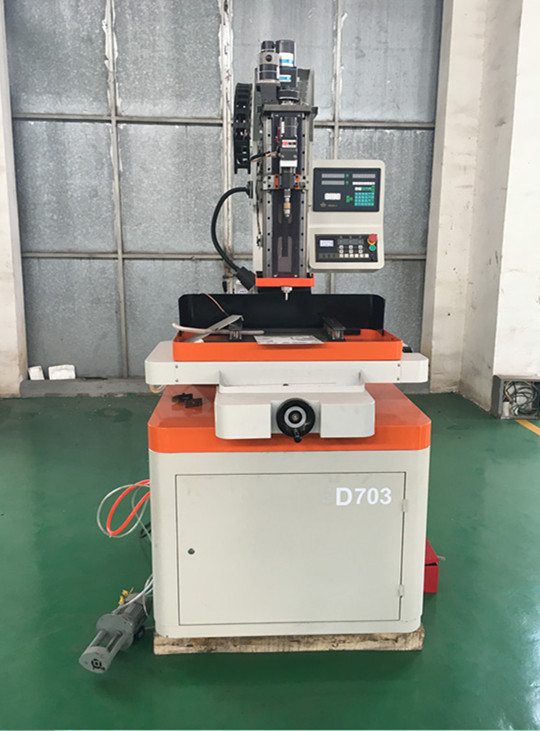
For a drilled feature, specify the material, thickness or hole depth, required diameter, roundness, taper and surface condition. Review these requirements against the particular drilling machine, electrode and guide arrangement. Hole size alone is not a complete capability description: confirm access, fluid delivery and the measurement method before accepting a proposed setup or production result.
Machine Setup and Configuration Review
Electrode Selection and Preparation
Begin electrode selection by distinguishing shaped sinker electrodes, wire consumables and the electrodes used by EDM drilling equipment. Copper and graphite choices for sinker work should follow the machine's approved conditions and the workpiece requirements. Assess wear and finished quality together; neither material has an established universal advantage for carbide or for every EDM family.
Prepare a shaped electrode to its own drawing, accounting for the planned machining gap and wear allowance. Electrode manufacturing dimensions, machine positioning and finished workpiece acceptance describe different parts of the process. Confirm the relevant preparation and checking method for wire or drilling consumables separately; an electrode's measured tolerance cannot establish the accuracy of the finished part.
Workholding and Fixturing Strategies
Evaluate workholding from the part's material, geometry, datums and machining access. The fixture must support the workpiece and allow the required fluid path without obstructing the electrode or wire. Compare magnetic and mechanical arrangements for the actual setup, including positioning repeatability, deformation and changeover time, rather than ranking them by generic heavy-cutting claims.
Choose workpiece orientation and flushing arrangements from the feature and the selected EDM process, checking access and the route for expelled particles. Flushing supports gap cleanliness and discharge stability; it does not guarantee freedom from recast material, thermal effects or cracks. For wire EDM, roughing and finishing conditions need separate review because excessive flushing can deflect the wire.
Programming and Machining Condition Review
Machining Condition Selection
Use the supplied machine's condition tables as the starting point for a known material, thickness, electrode or wire, fluid and finishing requirement. Current and pulse settings affect the discharge process, but their practical effects depend on that combination and the controller. Evaluate an approved adjustment through trial machining, comparing total cycle time, consumable wear, dimensions and surface quality.
Check what the actual controller means by its gap and servo settings before interpreting or changing them. If adaptive control is offered, confirm its functions and permitted adjustments in the quotation and machine documentation. Feedback that keeps erosion stable is a process control function; it does not independently measure finished dimensions or guarantee the shortest acceptable cycle.
Toolpath Planning and Verification
Plan the machining path around access, gap conditions, flushing and corner behavior, using only functions supported by the selected machine and compatible software. EDM removes material by discharge, so tooth-based chip-load reasoning from milling does not explain its path requirements. Orbit or contour motion may be available on particular EDM platforms, but its use must suit the documented configuration.
Where the machine supports the required finishing sequence, distinguish bulk material removal from later passes intended to meet dimensional and surface requirements. Additional passes consume time and may need different conditions and compensation. Compare the entire sequence with the accepted result; more passes do not establish simultaneous maximum removal rate, minimum cycle time and best finish.
Maintenance and Performance Review
Manufacturer Maintenance Instructions
Build maintenance work from the manual supplied with the exact machine, its usage records and any applicable alarms. Separate operator checks, fluid and consumable servicing, component inspection and calibration assigned to qualified service personnel. Record the object and reason for each task. Required intervals and authorization depend on the machine and service task, not a generic maintenance calendar.
Identify the machine's approved working fluid before selecting its treatment or replacement method. Wire equipment may use water-based or other specified fluids; sinker and drilling platforms can require different systems. Filtration, deionization and fluid-condition checks are therefore equipment-specific. Use the relevant manual and observed fluid condition, rather than applying carbon removal, resin treatment or fluid interchange rules across all EDM.
Performance Monitoring and Troubleshooting
Record the process information actually available on the machine, such as condition selections, job duration, interruptions and reported alarms. Where automatic logs are absent, a consistent operator record can support comparisons between jobs. Relate changes to material, setup and inspection results. A trend in process signals may prompt investigation, but cannot prove that a quality deviation was detected or prevented.
When dimensions, finish or consumable wear depart from the expected result, preserve the job settings and measurement evidence before investigating. Review possible contributions from workholding, temperature, material, electrode or wire condition, fluid delivery and machining conditions. Follow the manufacturer's fault process for the observed symptoms; a dimensional error alone does not justify diagnosing servo drift or attempting operator calibration.
Quality Control and Measurement Techniques
In-Process Signals and Monitoring Options
If the supplied controller reports discharge or gap signals, establish which conditions those signals describe and which alarms or responses are documented. Keep process monitoring separate from measurements of the completed part. A controller may respond to an unstable gap without detecting a dimensional or surface defect, so use the drawing's acceptance checks to assess the result.
Treat additional sensing as a configuration question rather than an existing machine capability. Ask which sensors, recorded signals, fault categories and response functions are included in the supplied system and how they have been validated. Do not assume acoustic monitoring detects electrode breakage, workpiece movement or fluid contamination; assess the documented fault coverage under the actual operating conditions.
Post-Process Inspection and Verification
Define inspection from the drawing and customer acceptance requirements, including dimensions and surface characteristics to be measured. Confirm the available instruments, their calibration traceability, measurement conditions and retained results. Select a coordinate measuring machine or another method according to the feature and measurement requirement. Photographs can supplement records but cannot replace the required dimensional or surface measurements.
Agree the inspection and any sampling rules with the responsible quality team or customer before applying them to production. The appropriate coverage depends on the specified feature, process history and consequences of a nonconforming result. Include inspection time in the productivity assessment. Neither a generic sampling approach nor a reduced set of checks demonstrates that a particular batch meets its requirements.
Operating Cost and Resource Review
Energy Use and Tariff Review
Assess energy cost from measured use during machining, idle periods and the supporting systems included in the job boundary. Relate those records to the site's applicable electricity charges. Confirm any standby function and restart requirements in the machine documentation; power-factor correction or immediate machining readiness cannot be assumed to be supplied features or sources of savings.
Review scheduling against the actual tariff, production deadlines and the need for supervision, preparation and inspection. Off-peak timing is relevant only where the applicable rates and operating conditions support it. For a facility with several machines, assess its measured demand and billing rules before claiming a benefit from rescheduling; a scheduling change alone does not establish lower cost.
Material Utilization and Waste Reduction
Consider material layout where the job involves cutting through-profiles from a blank, allowing for the wire path, kerf, clamping and retained supports. Check any proposed nesting output against these constraints and the machine's program requirements. Keep identifiable remnant records where useful. Sinker electrode preparation and drilling material use require separate assessment rather than a shared promise of optimal nesting.
Separate recovering scrap from reusing a machining consumable. Shaped sinker electrodes may be assessed for approved redressing, while drilling electrode end treatment depends on the machine and remaining geometry. Wire consumption and reuse rules depend on the wire system. Follow the supplied instructions and verify suitability after any permitted treatment; worn wire or electrodes are not universally regrindable.
Manufacturing System Integration Review
Automation and Robotics Options
Review automation as a proposed configuration with documented workholding, transfer, sensing, interfaces and abnormal-condition responses. Loading, electrode changing, inspection and production-system communication are separate functions that need individual confirmation. Any unattended operation also needs the manufacturer's approved operating conditions and a demonstrated job setup. Confirm robot and manufacturing execution system compatibility before specifying either in an order.
Confirm electrode exchange, wire threading, electrode dressing, discharge-stability control and geometric wear compensation separately for the relevant EDM family. A changer does not by itself establish automatic correction for wear, and stable feedback does not establish finished-part accuracy. Review how each offered function handles consumable condition, interruptions and recovery before including it in a production plan.
Job Records and Data Analysis
Use job records that connect material and feature requirements with preparation, machining conditions, interruptions, consumable use and inspection results. Comparable records can reveal where a trial change deserves attention, provided their definitions and completeness are checked. Any proposed machine-learning or predictive function needs separate software and validation evidence; historical records alone do not establish automatic optimal parameter selection.
For job costing, define which preparation, machine, consumable, inspection and rework costs are included, then reconcile the available records to that boundary. Confirm any proposed enterprise-system interface, software licence and data fields from the quotation and documentation. Manual records remain a possible input; automated reporting, real-time integration and improved profitability cannot be inferred from the presence of a machine.
FAQ
What should be reviewed when EDM productivity changes?
Start with the actual constraint on accepted output: preparation, machining, interruptions, consumable handling or inspection. Match conditions and working fluid to the particular EDM family and job. Flushing helps remove particles and stabilize the gap, but does not guarantee an absence of recast material or other thermal surface changes. Judge an adjustment by the measured part and complete job time.
How should electrode wear and replacement costs be evaluated?
Evaluate wear with the selected EDM family, electrode or wire, fluid and manufacturer-approved conditions. Compare a proposed change through trial machining and inspect both consumable condition and finished quality. A change that reduces wear may also alter cycle time or surface results. There is no general current-and-pulse recipe that establishes longer electrode life across these different processes.
What maintenance practices are essential for maintaining EDM machine performance
Use the supplied maintenance manual to identify tasks, responsible personnel and triggers such as operating use, alarms or a specified service condition. Keep operator checks and consumable care distinct from calibration requiring qualified service personnel. Use machine-specific calibration requirements instead of a general weekly or monthly power-supply schedule, and leave servo adjustment to authorized personnel.
How do modern EDM machines compare to traditional machining methods for complex geometries
Compare the relevant EDM family and conventional route against the same feature and acceptance requirements. Wire profiles, sinker cavities and drilled holes have different access, electrode and motion limits. Internal corners and deep features still need geometry and surface verification. Avoid treating non-contact removal as freedom from deviation; aerospace or medical use also requires the customer's specific qualification and acceptance.