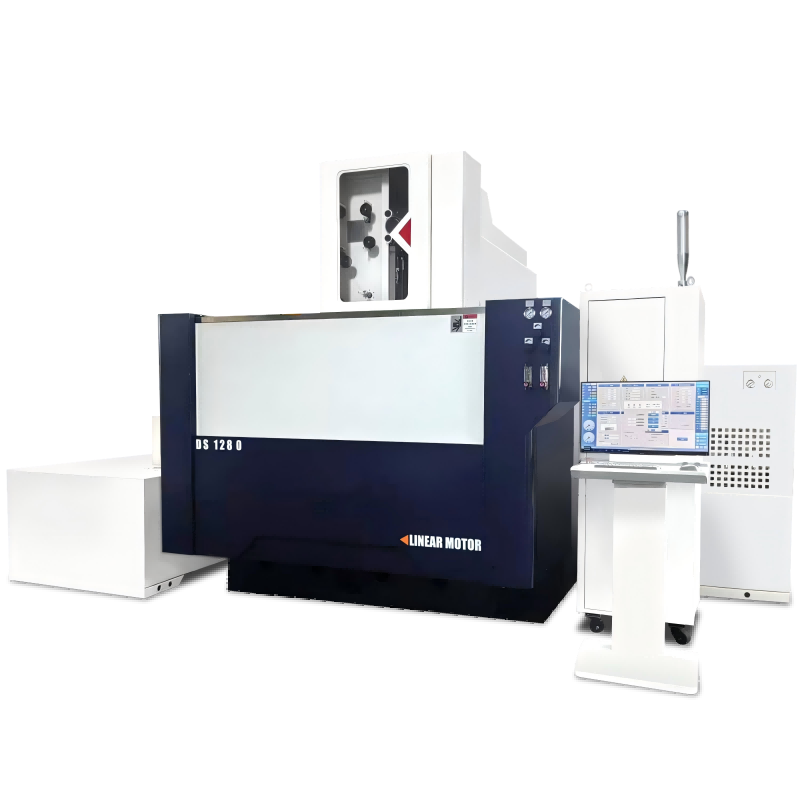
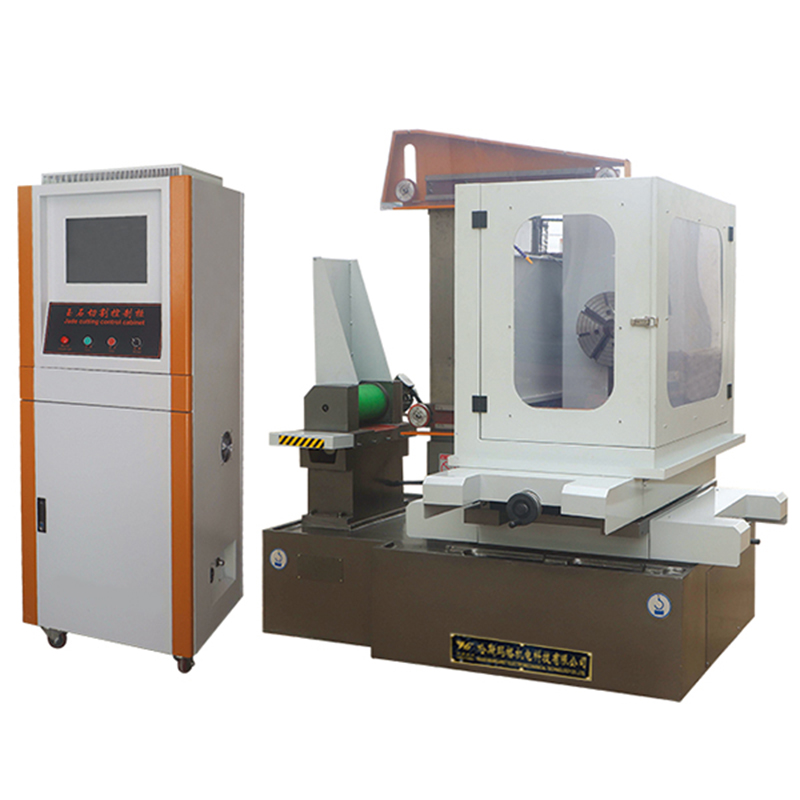
The manufacturing landscape has experienced remarkable transformation over the past decade, with wire cutting machines standing at the forefront of precision engineering evolution. These sophisticated tools have become indispensable in industries ranging from aerospace to medical device manufacturing, where tolerances measured in microns determine product viability. Modern wire cutting machines represent a convergence of mechanical engineering, advanced materials science, and digital automation, enabling manufacturers to achieve previously impossible levels of accuracy while simultaneously reducing production times and material waste. Understanding the latest advancements in these critical manufacturing tools is essential for industrial decision-makers seeking competitive advantages in an increasingly demanding marketplace.
The current generation of wire cutting machines incorporates breakthrough technologies that address the fundamental challenges manufacturers have faced for decades. From intelligent control systems that optimize cutting parameters in real-time to advanced wire materials that extend operational lifespans dramatically, these innovations are reshaping production capabilities across multiple sectors. This comprehensive exploration examines the technological breakthroughs that define contemporary wire cutting machines, analyzing how each advancement translates into tangible operational benefits and addressing the practical considerations that influence adoption decisions in modern manufacturing environments.
Revolutionary Control Systems and Automation Integration
Artificial Intelligence Driven Parameter Optimization
Contemporary wire cutting machines now incorporate artificial intelligence algorithms that fundamentally transform how cutting parameters are determined and adjusted during operation. These intelligent systems analyze multiple variables simultaneously, including material composition, wire tension, cutting speed, and thermal conditions, to calculate optimal settings that maximize both precision and efficiency. Unlike traditional programmable systems that rely on preset parameters, AI-driven wire cutting machines continuously learn from each cutting operation, building sophisticated databases that enable predictive adjustments before quality issues emerge. This advancement represents a paradigm shift from reactive to proactive process control, substantially reducing scrap rates while extending wire life through intelligent load management.
The integration of machine learning capabilities enables wire cutting machines to recognize patterns that human operators might overlook, identifying subtle correlations between environmental factors and cutting performance. These systems can detect minute variations in power supply stability, ambient temperature fluctuations, or material inconsistencies that might compromise precision, automatically compensating before deviations exceed tolerance thresholds. Manufacturing facilities implementing AI-enhanced wire cutting machines report quality improvement rates exceeding thirty percent while simultaneously achieving fifteen to twenty percent reductions in consumable costs. The self-optimizing nature of these systems means performance continues improving over time as the algorithms refine their predictive models based on accumulated operational data.
Adaptive Real-Time Process Monitoring
Modern wire cutting machines feature comprehensive sensor arrays that provide unprecedented visibility into the cutting process at microsecond intervals. Advanced monitoring systems track wire vibration patterns, electrical discharge characteristics, dielectric fluid conditions, and workpiece temperature profiles, creating detailed process signatures that enable immediate detection of anomalous conditions. This real-time monitoring capability allows wire cutting machines to identify potential issues such as wire breakage precursors, electrode wear patterns, or contamination in the dielectric fluid before these conditions compromise part quality. The data generated by these monitoring systems also provides valuable insights for predictive maintenance scheduling, reducing unplanned downtime by identifying component degradation trends well before catastrophic failure occurs.
The sophistication of current monitoring technology extends to three-dimensional thermal mapping of the cutting zone, enabling wire cutting machines to maintain optimal temperature distributions even during extended production runs on thermally sensitive materials. These thermal management systems actively adjust cooling strategies based on workpiece geometry and material properties, preventing the thermal distortion that historically limited precision in complex cutting operations. Integration with enterprise manufacturing execution systems allows wire cutting machines to communicate process data across the production network, enabling centralized quality management and facilitating statistical process control initiatives that drive continuous improvement across entire manufacturing operations.
Collaborative Human-Machine Interface Design
The latest wire cutting machines incorporate intuitive interface designs that dramatically reduce the learning curve for operators while simultaneously providing expert users with unprecedented control granularity. Modern touchscreen systems present complex cutting parameters through visual programming environments where operators can simulate cutting strategies before committing to production, significantly reducing setup times and eliminating trial-and-error approaches that waste materials. These interfaces employ augmented reality overlays that guide operators through maintenance procedures, calibration sequences, and troubleshooting protocols, democratizing expertise that was previously accessible only to highly specialized technicians.
Voice-activated control systems represent an emerging frontier in wire cutting machines, enabling hands-free operation that enhances both safety and efficiency in production environments. These natural language interfaces allow operators to adjust parameters, request status updates, or initiate diagnostic routines without interrupting their workflow, particularly valuable during quality inspection procedures where maintaining visual focus on the workpiece is critical. The conversational nature of these systems also facilitates knowledge transfer, as less experienced operators can ask questions and receive contextual guidance that accelerates skill development while maintaining production continuity.
Advanced Wire Technology and Material Science Innovations
Next-Generation Wire Electrode Compositions
Material science breakthroughs have produced wire electrodes with dramatically improved performance characteristics compared to traditional brass formulations. Modern wire cutting machines benefit from composite wire designs that incorporate zinc-coated copper cores, delivering enhanced electrical conductivity while maintaining the mechanical strength necessary for high-tension applications. These advanced wire compositions demonstrate substantially improved resistance to tensile stress and thermal degradation, enabling higher cutting speeds without sacrificing surface finish quality. The reduced wire breakage rates associated with these materials translate directly into improved productivity, as interrupted cuts require time-consuming workpiece repositioning and often result in scrapped parts when cutting complex geometries.
Specialized wire formulations now exist for specific material applications, with wire cutting machines capable of automatically selecting optimal electrode compositions based on workpiece material specifications programmed into the control system. Molybdenum-enhanced wires excel when cutting carbide tooling and hardened steel components, while silver-alloyed compositions provide superior performance on aluminum and copper workpieces where electrical conductivity matching prevents electrode adhesion and improves surface quality. These application-specific wires enable wire cutting machines to maintain consistent performance across diverse material portfolios, eliminating the compromises inherent in universal electrode approaches and expanding the range of materials that can be processed economically.
Intelligent Wire Tension Management Systems
Contemporary wire cutting machines employ sophisticated tension control mechanisms that maintain optimal wire stress throughout the cutting envelope, compensating for the geometric variations that historically caused precision degradation in tall workpieces or complex angular cuts. These systems utilize multiple tension sensors positioned along the wire path, creating feedback loops that enable microsecond-level adjustments responding to dynamic loading conditions during the cutting process. Advanced wire cutting machines can even implement position-dependent tension profiles, automatically increasing wire tension in areas requiring maximum rigidity while reducing tension in sections where excessive stress might induce breakage, optimizing the balance between precision and reliability across the entire cutting path.
The integration of predictive tension algorithms represents a significant advancement, with wire cutting machines now capable of calculating required tension adjustments based on upcoming tool path geometry before the wire reaches challenging sections. This anticipatory approach prevents the precision losses that occur when reactive systems lag behind rapidly changing cutting conditions, particularly important when executing intricate geometries with frequent direction changes or variable cross-sections. Manufacturers report that intelligent tension management extends wire life by twenty to thirty percent while simultaneously improving dimensional accuracy, delivering dual benefits that significantly impact operational economics in high-volume production environments.

Enhanced Wire Threading and Breakage Recovery
Automatic wire threading systems have evolved from time-consuming procedures requiring several minutes to rapid processes completed in under thirty seconds, dramatically reducing the productivity impact of wire changes and breakage events. Modern wire cutting machines employ vision-guided threading mechanisms that precisely align the wire with threading pathways regardless of wire end condition, eliminating the manual intervention that previously extended downtime during wire replacement operations. These systems incorporate multiple redundant threading strategies, automatically attempting alternative approaches if initial threading attempts encounter obstacles, achieving success rates exceeding ninety-eight percent without operator assistance.
Breakage recovery capabilities now enable wire cutting machines to resume interrupted cuts with positioning accuracy measured in single-digit microns, preserving expensive workpieces that would have been scrapped under earlier technology generations. Advanced systems photograph the wire path immediately before breakage occurs, using image analysis algorithms to calculate the precise retreat distance necessary to clear debris before rethreading, then repositioning the wire to resume cutting at the exact interruption point. This capability proves particularly valuable when processing high-value aerospace components or medical implants where material costs justify the additional time required for breakage recovery rather than accepting the loss of partially completed parts.
Precision Enhancement Through Advanced Motion Control
Multi-Axis Synchronization and Contouring Accuracy
The latest wire cutting machines implement sophisticated motion control algorithms that synchronize up to six axes simultaneously with positioning resolution approaching ten nanometers, enabling the production of complex three-dimensional contours that challenge the capabilities of alternative manufacturing processes. These precision motion systems employ linear motor technology that eliminates the backlash and compliance issues inherent in traditional ball screw drives, delivering immediate response to directional commands without the positioning errors that accumulate during intricate tool paths. Advanced wire cutting machines maintain contouring accuracy within two microns even when executing rapid direction changes, preserving the geometric fidelity essential for aerospace turbine components and medical prosthetics where dimensional deviations directly impact functional performance.
Thermal compensation systems integrated into modern motion control architectures actively counteract the dimensional changes that occur as machine structures heat during operation, maintaining positioning accuracy throughout extended production runs. These systems employ thermal models that predict structural expansion based on ambient conditions and operational parameters, preemptively adjusting axis positions to maintain programmed tool paths despite physical dimension changes in the machine frame. Wire cutting machines equipped with comprehensive thermal management report positioning stability improvements exceeding forty percent compared to systems relying solely on passive thermal design, particularly significant when maintaining tolerances below five microns across multi-hour cutting operations.
Vibration Suppression and Dynamic Stability
Contemporary wire cutting machines incorporate active vibration damping systems that monitor structural resonances and inject precisely calculated counter-vibrations to maintain mechanical stability during cutting operations. These systems prove particularly valuable when processing thin-walled components or delicate structures where cutting forces might induce workpiece vibrations that degrade surface finish or compromise dimensional accuracy. Advanced damping algorithms distinguish between vibrations originating from the cutting process itself and environmental disturbances transmitted through building structures, applying appropriate suppression strategies for each vibration source to maintain the quiescent conditions necessary for achieving mirror-surface finishes.
The implementation of magnetic levitation technology in premium wire cutting machines represents the ultimate expression of vibration isolation, completely decoupling the cutting zone from mechanical drivetrain components that historically introduced cyclic disturbances. These maglev systems position and move the workpiece using electromagnetic fields rather than mechanical linkages, eliminating every potential vibration pathway between motors and the cutting interface. While the cost premium associated with magnetic levitation limits adoption to ultra-precision applications, wire cutting machines incorporating this technology achieve positioning stability and surface finish quality that establishes new benchmarks for what electrically-driven material removal processes can accomplish.
Taper Control and Complex Angle Capabilities
Modern wire cutting machines offer programmable taper control with angular precision below point-zero-one degrees, enabling the production of draft angles, clearance features, and complex three-dimensional geometries that expand application possibilities beyond traditional through-cutting operations. Independent upper and lower guide positioning allows wire cutting machines to maintain different XY coordinates at the top and bottom of the workpiece, creating controlled taper angles throughout the cutting path without requiring specialized fixturing or secondary operations. This capability proves particularly valuable for producing stamping dies, extrusion tooling, and injection mold components where draft angles constitute critical functional requirements.
Advanced taper interpolation algorithms enable wire cutting machines to smoothly transition between varying taper angles within a single cutting path, producing compound-angle surfaces that previously required multi-setup operations or alternative manufacturing processes. These systems calculate the complex motion profiles necessary to maintain constant cutting conditions despite continuously changing wire angles, preserving surface finish consistency across features with varying geometric characteristics. Manufacturers leveraging advanced taper capabilities report significant reductions in tooling production timelines, as complex geometries that formerly required electrical discharge machining followed by manual finishing can now be completed in single wire cutting machine setups with minimal post-processing.
Environmental Sustainability and Operational Efficiency Improvements
Energy Consumption Optimization Technologies
Recent generations of wire cutting machines incorporate comprehensive energy management systems that reduce electrical consumption by twenty-five to forty percent compared to earlier models through intelligent power allocation and regenerative technologies. These systems employ variable-frequency drives that precisely match motor power output to instantaneous load requirements, eliminating the continuous full-power operation characteristic of conventional designs. During idle periods and non-cutting movements, wire cutting machines automatically transition components to low-power standby modes that maintain readiness for immediate operation while minimizing electrical draw, aggregating substantial energy savings across facilities operating multiple machines throughout extended production shifts.
Regenerative braking systems capture kinetic energy during axis deceleration, converting motion energy back into electrical power that either returns to facility distribution systems or charges onboard storage capacitors for subsequent use. This energy recovery proves particularly significant in wire cutting machines executing rapid positioning movements between cutting sections, where traditional systems dissipate deceleration energy as waste heat while regenerative architectures reclaim up to sixty percent of this energy for productive use. The cumulative impact of these efficiency improvements extends beyond direct operational cost reductions, as decreased energy consumption reduces cooling requirements and extends component service life through reduced thermal stress.
Dielectric Fluid Management and Filtration Systems
Advanced wire cutting machines feature closed-loop dielectric management systems that dramatically extend fluid service life while maintaining the purity levels necessary for consistent cutting performance and superior surface finish. Multi-stage filtration incorporating progressively finer media removes both the metallic particles generated during cutting and the carbon contamination resulting from electrical discharge, maintaining fluid clarity and electrical resistivity within optimal ranges. These sophisticated filtration systems employ automated backflushing sequences that prevent filter media saturation, ensuring consistent filtration efficiency without the productivity losses associated with manual filter maintenance procedures.
Continuous fluid monitoring sensors track conductivity, contamination levels, and chemical composition, providing wire cutting machines with real-time fluid condition data that enables predictive maintenance scheduling and prevents quality issues arising from degraded dielectric properties. When fluid parameters drift beyond acceptable ranges, these systems automatically initiate corrective actions such as increased filtration cycling or operator alerts indicating fluid replacement necessity. Modern dielectric management extends fluid service intervals from weeks to months, substantially reducing both disposal costs and the environmental impact associated with fluid replacement while simultaneously improving process stability through more consistent electrical discharge characteristics.
Waste Reduction and Material Utilization Strategies
Contemporary wire cutting machines implement intelligent nesting algorithms that optimize workpiece layout to maximize material utilization, reducing scrap generation by fifteen to thirty percent compared to manual programming approaches. These systems analyze multiple orientation possibilities and cutting sequence options to identify arrangements that minimize remnant material while respecting manufacturing constraints such as feature proximity requirements and thermal distortion considerations. Advanced nesting capabilities prove particularly valuable when processing expensive materials like titanium alloys or exotic superalloys where material costs dominate production economics and modest utilization improvements generate substantial cost savings.
Wire cutting machines now integrate with enterprise resource planning systems to coordinate production scheduling based on material availability and remnant inventory, automatically identifying opportunities to produce smaller components from remnant pieces generated during earlier operations. This systematic approach to remnant utilization transforms materials previously considered scrap into productive resources, improving overall material yield while reducing both procurement costs and disposal expenses. Facilities implementing comprehensive material management strategies report total material waste reductions exceeding forty percent, demonstrating that advanced wire cutting machines contribute to sustainability objectives while simultaneously strengthening operational economics through improved resource utilization.
Connectivity and Industry Four Point Zero Integration
Industrial Internet of Things Implementation
Modern wire cutting machines function as fully networked manufacturing nodes within Industry 4.0 architectures, continuously streaming operational data to centralized analytics platforms that enable enterprise-level visibility and optimization. These connected systems transmit comprehensive process parameters including cycle times, quality metrics, consumable usage rates, and equipment health indicators, providing manufacturing management with real-time insights that facilitate data-driven decision making. Wire cutting machines equipped with IoT capabilities enable remote monitoring and diagnostics, allowing technical specialists to assess operational conditions and provide troubleshooting guidance without physical presence at the machine location, significantly reducing resolution time for technical issues.
The data generated by networked wire cutting machines feeds advanced analytics engines that identify optimization opportunities invisible to operators focused on individual machine operation. These enterprise systems detect patterns across machine fleets, recognizing that specific operational strategies prove more effective for particular material-geometry combinations and automatically disseminating best practices throughout the organization. Manufacturers implementing comprehensive IoT integration report productivity improvements ranging from twelve to twenty percent as accumulated operational intelligence drives continuous refinement of cutting strategies and maintenance procedures across entire production networks.
Predictive Maintenance and Condition Monitoring
Advanced wire cutting machines incorporate comprehensive condition monitoring systems that track component wear patterns and performance degradation trends, enabling predictive maintenance strategies that prevent unexpected failures while optimizing maintenance interval scheduling. These systems monitor bearing vibration signatures, servo motor performance characteristics, guide wear progression, and power supply output stability, comparing real-time measurements against baseline parameters to identify developing issues before functional impact occurs. Predictive algorithms calculate remaining useful life for critical components, automatically scheduling maintenance activities during planned production breaks to minimize operational disruption while preventing the costly emergency repairs associated with unexpected component failures.
The integration of predictive maintenance capabilities transforms wire cutting machines from reactive maintenance subjects requiring scheduled interventions regardless of actual condition into self-aware systems that request service only when evidence indicates necessity. This condition-based approach reduces maintenance costs by eliminating unnecessary preventive procedures while simultaneously improving reliability through earlier intervention when degradation trends indicate approaching failure. Facilities implementing predictive maintenance report maintenance cost reductions approaching thirty percent combined with availability improvements exceeding fifteen percent, demonstrating that intelligent condition monitoring delivers benefits across multiple operational dimensions.
Cloud-Based Programming and Knowledge Management
Contemporary wire cutting machines leverage cloud connectivity to access centralized programming libraries and manufacturing knowledge bases, enabling operators to retrieve proven cutting strategies rather than developing programs from scratch for each new component. These cloud repositories accumulate organizational manufacturing intelligence, preserving the expertise of experienced programmers and making this knowledge accessible across entire facilities or even globally distributed manufacturing operations. Wire cutting machines connected to cloud resources can automatically download optimized cutting parameters based on material specifications and geometric requirements, dramatically reducing programming time while improving first-article success rates through application of validated strategies.
Collaborative programming environments enabled by cloud connectivity allow engineering teams to develop and refine cutting programs in parallel, with version control systems preventing conflicts and maintaining comprehensive documentation of programming evolution. These platforms facilitate virtual collaboration between application engineers and production personnel, enabling real-time program optimization based on shop floor feedback without requiring physical co-location. Manufacturers leveraging cloud-based programming report new product introduction timeline reductions exceeding twenty-five percent as streamlined programming workflows and accessible expertise repositories accelerate the transition from design concept to production reality.
FAQ
How do artificial intelligence systems improve wire cutting machine performance compared to traditional controls?
Artificial intelligence systems in wire cutting machines continuously analyze multiple process variables simultaneously to optimize cutting parameters in real-time, whereas traditional controls rely on preset parameters that cannot adapt to changing conditions. AI algorithms learn from each cutting operation, building predictive models that enable proactive adjustments before quality issues develop, resulting in scrap rate reductions exceeding thirty percent while extending consumable life through intelligent load management. These systems detect subtle correlations between environmental factors and performance that human operators might overlook, automatically compensating for power fluctuations, temperature variations, and material inconsistencies to maintain precision within specified tolerances.
What advantages do advanced wire electrode materials provide in modern manufacturing applications?
Next-generation wire electrodes featuring composite designs with zinc-coated copper cores deliver substantially improved electrical conductivity and mechanical strength compared to traditional brass formulations, enabling higher cutting speeds without compromising surface finish quality. These advanced materials demonstrate enhanced resistance to tensile stress and thermal degradation, reducing wire breakage rates that interrupt production and potentially damage expensive workpieces. Application-specific wire formulations optimized for particular material combinations enable wire cutting machines to maintain consistent performance across diverse workpiece portfolios, with molybdenum-enhanced wires excelling on hardened materials while silver-alloyed compositions improve results on conductive metals like aluminum and copper.
How do modern wire cutting machines contribute to environmental sustainability objectives?
Contemporary wire cutting machines incorporate comprehensive energy management systems that reduce electrical consumption by twenty-five to forty percent through intelligent power allocation and regenerative technologies that reclaim kinetic energy during axis deceleration. Advanced dielectric management systems with multi-stage filtration extend fluid service life from weeks to months, substantially reducing disposal volumes and associated environmental impact while improving process stability through more consistent fluid properties. Intelligent nesting algorithms optimize workpiece layout to maximize material utilization, reducing scrap generation by fifteen to thirty percent, while integration with enterprise systems enables systematic remnant utilization that transforms materials previously considered waste into productive resources.
What role does predictive maintenance play in maximizing wire cutting machine productivity?

Predictive maintenance systems in advanced wire cutting machines monitor component wear patterns and performance degradation trends through comprehensive condition monitoring, enabling maintenance scheduling based on actual component condition rather than arbitrary time intervals. These systems track bearing vibration signatures, servo performance characteristics, guide wear progression, and power supply stability, comparing real-time measurements against baseline parameters to identify developing issues before functional impact occurs. This condition-based approach reduces maintenance costs by eliminating unnecessary preventive procedures while improving reliability through earlier intervention when degradation trends indicate approaching failure, with facilities reporting maintenance cost reductions approaching thirty percent combined with availability improvements exceeding fifteen percent.
Table of Contents
- Revolutionary Control Systems and Automation Integration
- Advanced Wire Technology and Material Science Innovations
- Precision Enhancement Through Advanced Motion Control
- Environmental Sustainability and Operational Efficiency Improvements
- Connectivity and Industry Four Point Zero Integration
-
FAQ
- How do artificial intelligence systems improve wire cutting machine performance compared to traditional controls?
- What advantages do advanced wire electrode materials provide in modern manufacturing applications?
- How do modern wire cutting machines contribute to environmental sustainability objectives?
- What role does predictive maintenance play in maximizing wire cutting machine productivity?