EN
EN



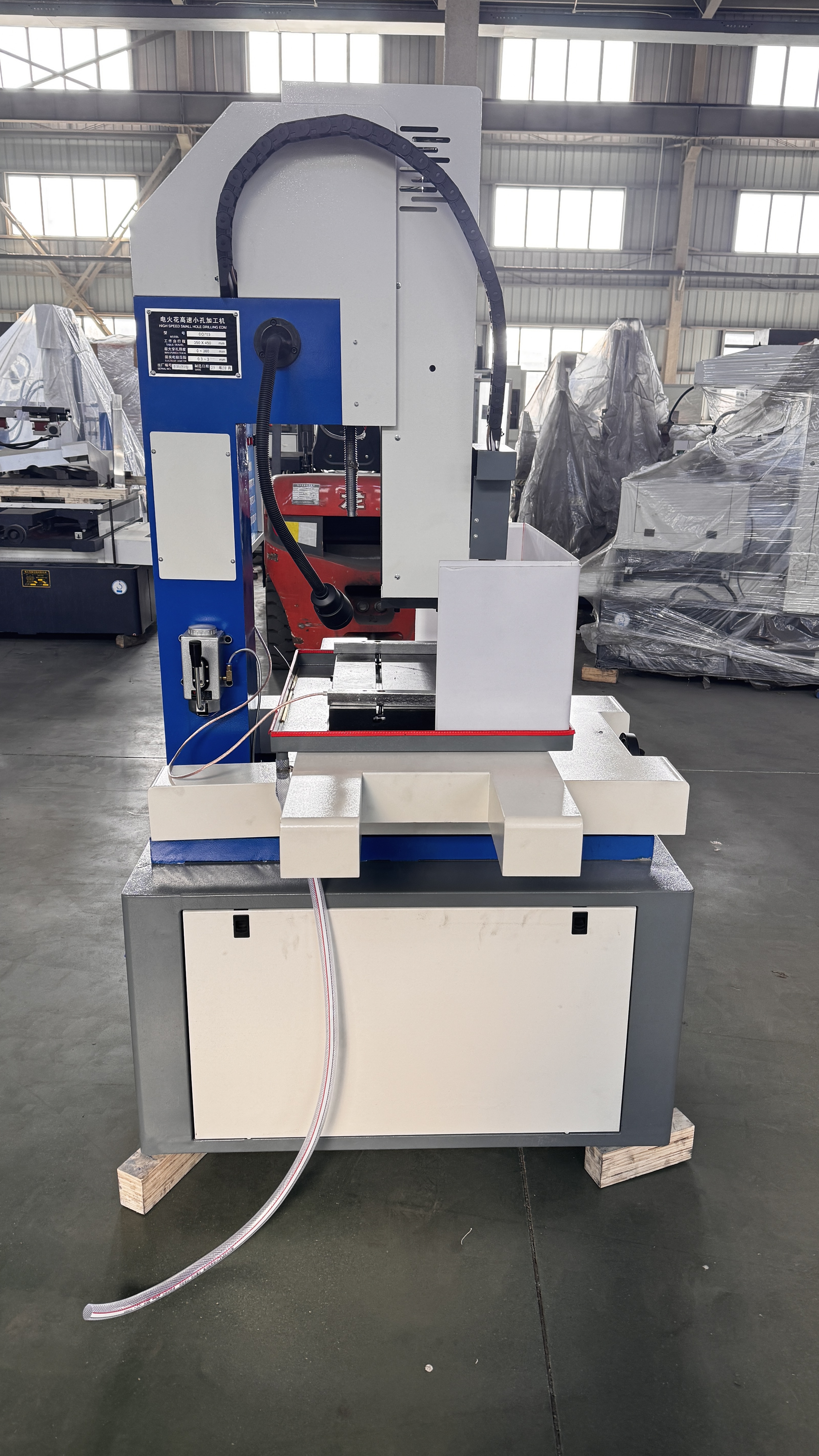
EDM drilling machine technology has revolutionized precision manufacturing across industries requiring micro-hole drilling capabilities. These sophisticated electrical discharge machines deliver unparalleled accuracy in creating holes as small as 0.02mm in hardened materials that would challenge conventional drilling methods. Modern manufacturers rely on EDM drilling machine systems to achieve tight tolerances and superior surface finishes in critical applications ranging from aerospace components to medical devices.
Optimizing EDM drilling machine performance requires a comprehensive understanding of electrical discharge machining principles and systematic approach to parameter control. The electrical discharge process involves creating controlled sparks between an electrode and workpiece in a dielectric fluid environment. This non-contact machining method removes material through thermal erosion, making it ideal for processing hard materials without mechanical stress or tool wear concerns.
Fundamental EDM Drilling Machine Parameters
Current and Voltage Settings
Current intensity directly influences material removal rates and surface quality in EDM drilling operations. Higher current settings increase cutting speed but may compromise surface finish quality and electrode wear characteristics. Optimal current ranges typically fall between 0.1 to 20 amperes depending on hole diameter requirements and material properties. Voltage settings work in conjunction with current to establish proper gap conditions between electrode and workpiece.
Pulse duration and frequency parameters control the timing of electrical discharge cycles in EDM drilling machine operations. Shorter pulse durations generally produce finer surface finishes but reduce material removal rates. Longer pulses increase productivity while potentially creating rougher surface textures. Finding the optimal balance requires consideration of specific application requirements and material characteristics.
Electrode Selection and Preparation
Electrode material selection significantly impacts EDM drilling machine performance and hole quality outcomes. Copper electrodes offer excellent conductivity and machining stability for most applications. Graphite electrodes provide superior wear resistance and are preferred for high-volume production runs. Tungsten electrodes excel in creating ultra-precise micro-holes but require specialized handling techniques.
Electrode geometry must be precisely manufactured to achieve desired hole characteristics. Electrode diameter should be calculated considering discharge gap and material shrinkage factors. Proper electrode preparation includes ensuring smooth surface finishes, accurate dimensions, and contamination-free surfaces that promote consistent electrical discharge patterns.
Dielectric Fluid Management
Fluid Selection and Properties
Dielectric fluid serves multiple critical functions in EDM drilling machine operations including electrical insulation, debris flushing, and temperature control. Deionized water provides excellent flushing characteristics and cost-effectiveness for many applications. Hydrocarbon-based fluids offer superior surface finish quality and reduced electrode wear but require enhanced safety precautions.
Fluid conductivity levels must be carefully maintained within specified ranges to ensure optimal discharge characteristics. High conductivity can cause unstable arcing and poor surface quality. Low conductivity may result in insufficient material removal rates and inconsistent hole geometry. Regular monitoring and filtration systems help maintain proper fluid conditions throughout production runs.
Flushing Optimization Techniques
Effective debris removal through proper flushing prevents secondary discharges and maintains stable cutting conditions. Pressure flushing systems deliver dielectric fluid directly through hollow electrodes to flush debris from the machining zone. Suction flushing creates negative pressure to extract contaminated fluid and debris particles from deep holes.
Flushing timing coordination with discharge cycles maximizes debris removal efficiency while maintaining stable electrical conditions. Proper flushing reduces recast layer formation and improves overall hole quality in precision applications. Inadequate flushing can lead to electrode sticking, irregular hole geometry, and premature electrode wear.
Advanced Process Control Strategies
Adaptive Control Systems
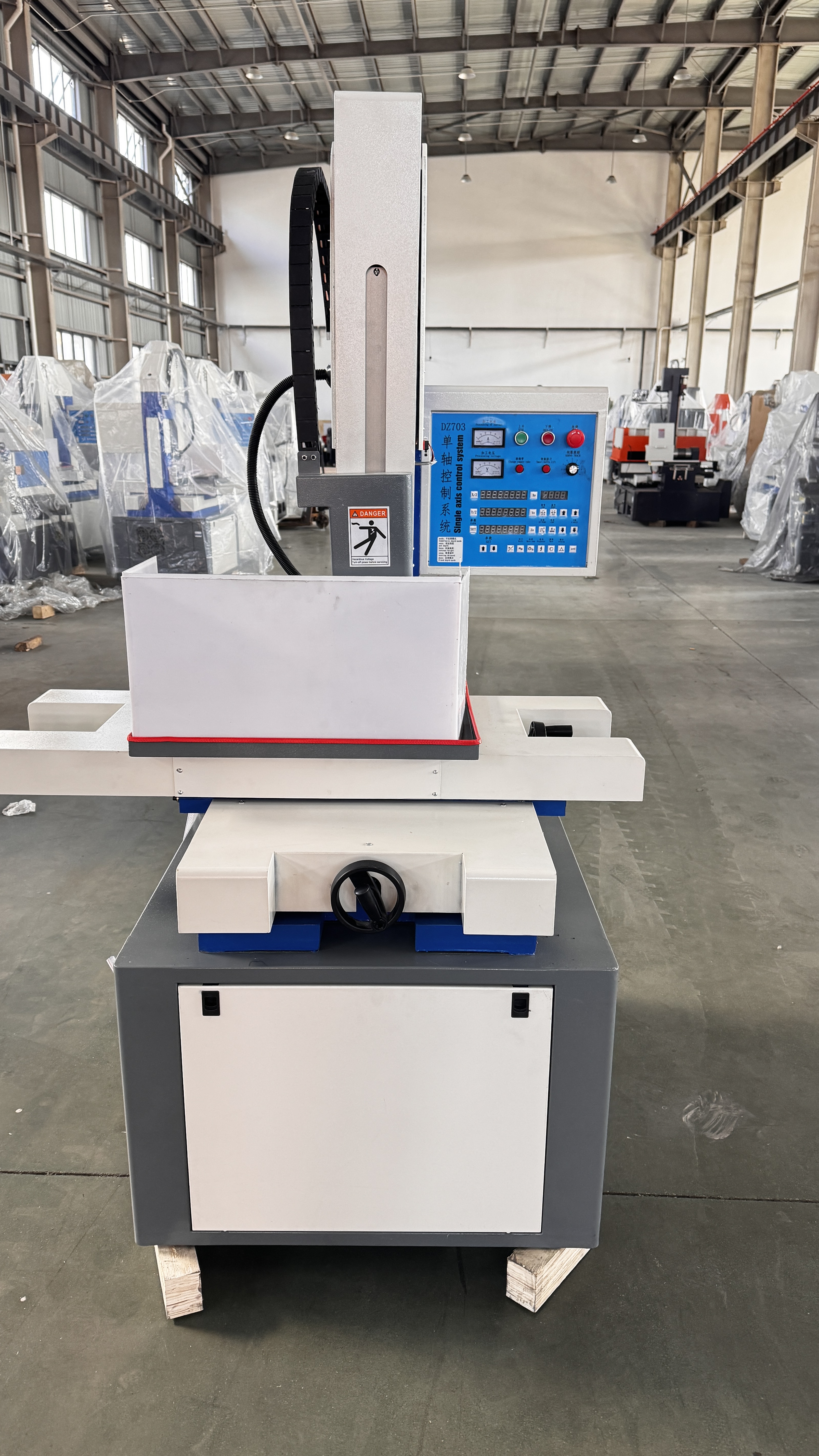
Modern EDM drilling machine systems incorporate adaptive control algorithms that automatically adjust machining parameters based on real-time process feedback. These intelligent systems monitor gap voltage, current feedback, and servo response to optimize cutting conditions continuously. Adaptive control reduces operator intervention requirements while maintaining consistent quality standards across production batches.
Servo control systems regulate electrode feed rates and gap maintenance to ensure stable discharge conditions. Proper servo sensitivity settings prevent electrode crashes while maintaining optimal gap distances for efficient material removal. Advanced servo systems can detect and compensate for electrode wear automatically, extending tool life and improving dimensional accuracy.
Multi-Axis Coordination
Complex drilling patterns require precise coordination between multiple axes to achieve accurate hole positioning and orientation. CNC integration enables automated tool changing, precise positioning, and repeatable drilling sequences. Multi-axis capabilities allow for angled drilling operations and complex hole geometries that would be impossible with conventional drilling methods.
Rotary axis integration expands EDM drilling machine capabilities to include helical drilling patterns and improved debris evacuation through electrode rotation. Coordinated motion planning ensures smooth transitions between drilling operations while maintaining optimal cutting parameters throughout the machining cycle.
Quality Assurance and Measurement
Surface Integrity Monitoring
Surface quality assessment involves measuring recast layer thickness, surface roughness, and heat-affected zone characteristics. Recast layers form during the EDM process and may require post-processing removal depending on application requirements. Proper parameter selection minimizes recast layer formation while maintaining acceptable material removal rates.
Micro-crack inspection ensures structural integrity of drilled components, particularly in high-stress applications. Non-destructive testing methods including penetrant testing and ultrasonic inspection can detect subsurface defects that might compromise component performance. Regular quality monitoring prevents defective parts from reaching critical applications.
Dimensional Accuracy Verification
Coordinate measuring machines provide precise dimensional verification of drilled hole characteristics including diameter, position, and straightness. Statistical process control methods track dimensional trends over time to identify parameter drift or tooling wear issues. Automated measurement systems can integrate with EDM drilling machine controls to provide real-time quality feedback.
Hole taper measurement ensures consistent geometry throughout the drilling depth, particularly important for deep hole applications. Optical measurement systems can assess hole entrance and exit quality without destructive sectioning. Regular calibration of measurement equipment maintains accuracy standards required for precision manufacturing applications.
Troubleshooting Common Performance Issues
Electrode Wear Management
Excessive electrode wear reduces drilling accuracy and increases production costs through frequent tool changes. Wear patterns can indicate improper parameter settings, contaminated dielectric fluid, or inadequate flushing conditions. Regular electrode inspection and wear measurement help optimize replacement schedules and identify process improvement opportunities.
Electrode polarity selection influences wear characteristics and material removal efficiency. Positive polarity typically produces faster cutting rates but increases electrode wear. Negative polarity reduces electrode consumption while potentially decreasing material removal rates. Optimal polarity selection depends on specific application requirements and cost considerations.
Surface Quality Optimization
Poor surface finish quality often results from improper discharge energy settings or contaminated dielectric fluid. Reducing pulse energy through lower current settings or shorter pulse durations generally improves surface quality at the expense of cutting speed. Maintaining clean dielectric fluid and proper flushing prevents carbon buildup that degrades surface finish.
Unstable discharge conditions create irregular surface textures and dimensional variations. Proper gap control through servo adjustment eliminates erratic discharges that cause poor surface quality. Regular maintenance of electrical contacts and cable connections ensures consistent power delivery throughout the machining process.
FAQ
What factors most significantly impact EDM drilling machine productivity
Current intensity and pulse parameters have the greatest influence on material removal rates in EDM drilling operations. Higher current settings increase productivity but require careful balance with surface quality requirements. Proper electrode selection and dielectric fluid management also significantly affect overall machining efficiency and consistency.
How can electrode wear be minimized during extended production runs
Electrode wear reduction strategies include optimizing discharge parameters for specific materials, maintaining clean dielectric fluid, and implementing proper flushing techniques. Using negative polarity when possible and selecting appropriate electrode materials for the application also help extend tool life. Regular parameter monitoring and adjustment prevent excessive wear conditions.
What are the key indicators of optimal EDM drilling performance
Consistent material removal rates, stable gap voltage readings, and uniform surface finish quality indicate optimal EDM drilling machine performance. Minimal electrode wear, proper debris evacuation, and accurate dimensional results also reflect well-optimized machining conditions. Regular monitoring of these parameters helps maintain peak performance levels.
Which materials present the greatest challenges for EDM drilling operations
Highly conductive materials like aluminum and copper require specialized parameter settings due to their excellent electrical conductivity. Extremely hard materials such as polycrystalline diamond and some ceramic composites demand careful electrode selection and extended machining times. Proper parameter optimization and electrode material selection overcome most material-related challenges in EDM drilling applications.