EN
EN



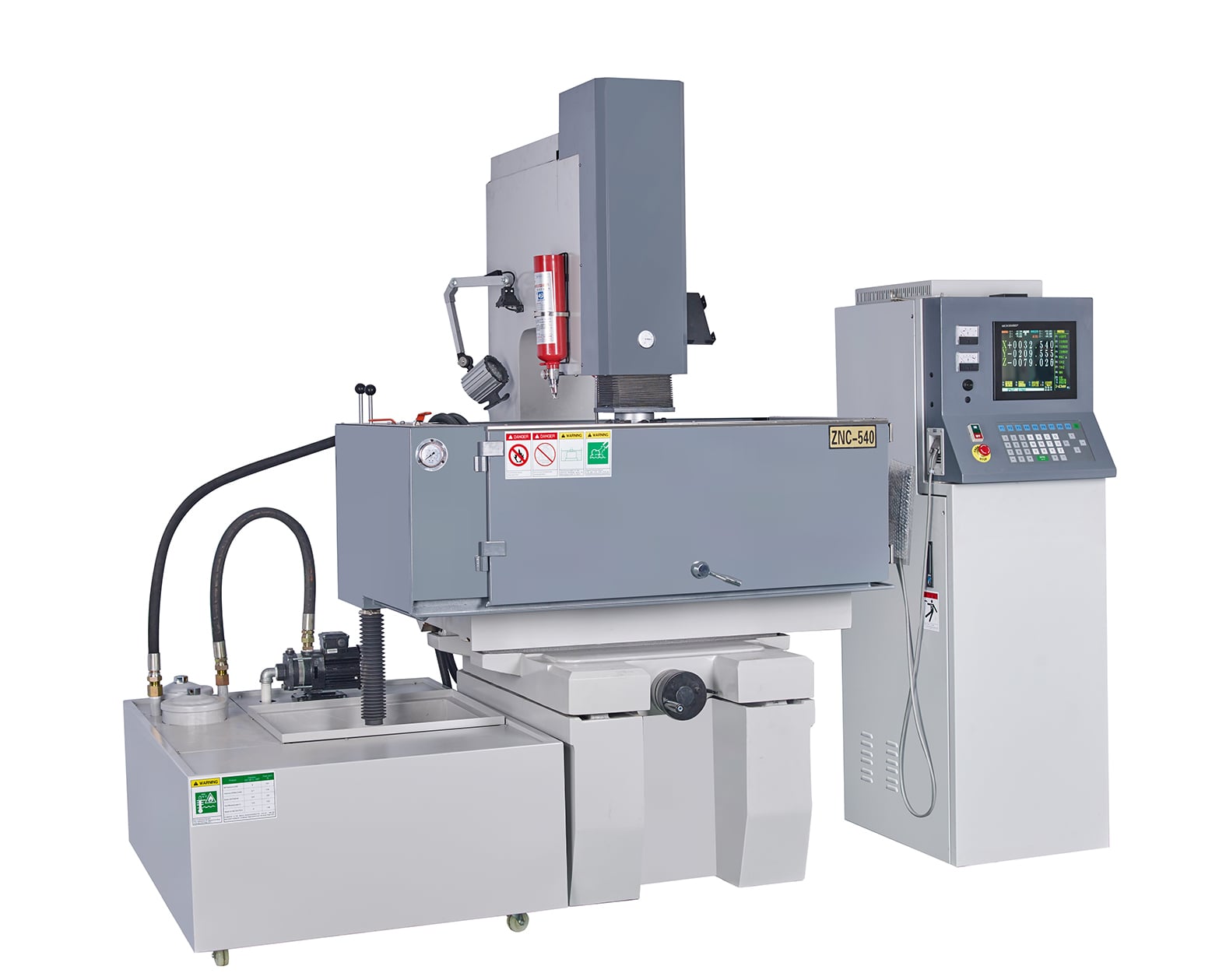
Electric discharge machining represents one of the most precise and versatile manufacturing processes in modern industrial production. This advanced machining technique utilizes controlled electrical discharges to remove material from conductive workpieces, enabling manufacturers to create complex geometries and intricate parts that would be nearly impossible to achieve through conventional machining methods. The process has revolutionized industries ranging from aerospace to medical device manufacturing, offering unparalleled precision and the ability to work with extremely hard materials that traditional cutting tools cannot effectively process.
The fundamental principle behind electric discharge machining involves creating a series of rapid electrical sparks between an electrode and the workpiece, both submerged in a dielectric fluid. These controlled electrical discharges generate intense heat that melts and vaporizes microscopic portions of the material, allowing for precise material removal without direct contact between the cutting tool and the workpiece. This non-contact machining approach eliminates mechanical stresses and enables the processing of delicate components and extremely hard materials with exceptional accuracy.
Fundamental Principles of Electric Discharge Machining
Electrical Discharge Process Mechanics
The core mechanism of electric discharge machining relies on the generation of precisely controlled electrical sparks between two electrodes separated by a small gap filled with dielectric fluid. When sufficient voltage is applied across this gap, the dielectric breaks down and creates a conductive plasma channel, allowing electrical current to flow between the electrodes. This plasma channel reaches temperatures exceeding 10,000 degrees Celsius, instantly melting and vaporizing a small portion of the workpiece material. The process occurs thousands of times per second, with each discharge removing microscopic amounts of material to gradually shape the desired geometry.
The dielectric fluid plays a crucial role in the electric discharge machining process by providing electrical insulation between sparks, cooling the work area, and flushing away debris. Common dielectric fluids include deionized water, hydrocarbon oils, and specialized synthetic fluids, each chosen based on the specific application requirements and material properties. The fluid circulation system maintains consistent conditions throughout the machining process, ensuring optimal spark formation and preventing contamination that could affect machining quality.
Electrode Configuration and Design
Electric discharge machining employs various electrode configurations depending on the specific application and desired geometry. The electrode, typically made from materials such as copper, graphite, or tungsten, serves as the tool that shapes the workpiece through controlled electrical discharges. Electrode design requires careful consideration of factors including thermal conductivity, wear resistance, and the ability to maintain precise dimensions throughout the machining process. The electrode geometry directly influences the final part shape, making electrode manufacturing a critical aspect of the overall process.
Modern electric discharge machining systems often utilize computer-controlled electrode positioning systems that maintain optimal gap distances and follow complex three-dimensional toolpaths. These advanced control systems monitor electrical parameters in real-time, adjusting machining conditions to optimize material removal rates while maintaining surface quality. The precision of electrode positioning directly impacts the achievable tolerances and surface finishes, with some systems capable of maintaining positioning accuracy within micrometers.
Types and Applications of Electric Discharge Machining
Die Sinking Electric Discharge Machining
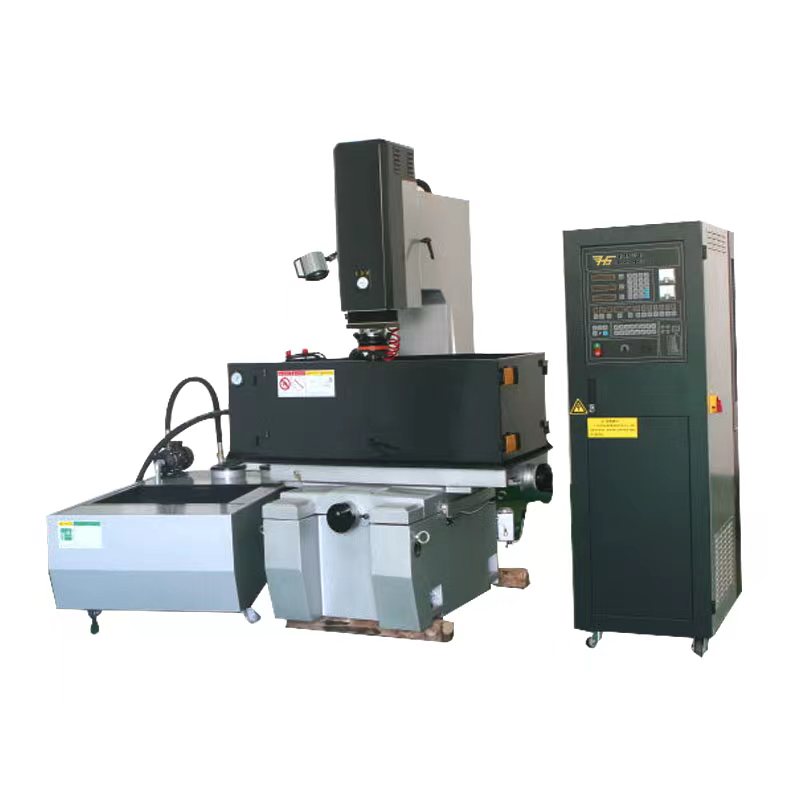
Die sinking represents the most traditional form of electric discharge machining, where a shaped electrode gradually penetrates the workpiece to create complex cavities and intricate internal geometries. This process excels in manufacturing injection mold cavities, forging dies, and stamping tools that require precise surface textures and complex three-dimensional shapes. The die sinking process typically involves multiple electrodes of different sizes and shapes to achieve the desired final geometry, with roughing electrodes removing bulk material and finishing electrodes providing the final surface quality.
Modern die sinking applications extend beyond traditional toolmaking to include aerospace components, medical implants, and precision mechanical parts. The ability to machine hardened materials after heat treatment makes die sinking particularly valuable for creating components that must maintain specific metallurgical properties while achieving precise dimensional requirements. Advanced die sinking systems incorporate adaptive control technologies that automatically adjust machining parameters based on real-time feedback, optimizing productivity while maintaining consistent quality.
Wire Electric Discharge Machining
Wire electric discharge machining utilizes a continuously moving wire electrode to cut through workpieces, creating precise contours and complex profiles with exceptional accuracy. The wire, typically made from brass, copper, or specialized alloys, serves as a consumable electrode that maintains consistent cutting conditions throughout the machining process. This process excels in creating precision stampings, gear teeth, and intricate mechanical components that require tight tolerances and smooth surface finishes.
The wire electric discharge machining process offers significant advantages in terms of automation and programming flexibility, as computer numerical control systems guide the wire along predetermined paths to create complex geometries. Modern wire systems achieve positioning accuracies within micrometers and can machine materials up to several inches thick while maintaining parallel walls and precise corner radii. The process eliminates the need for custom electrodes, making it particularly cost-effective for prototype development and small-batch production runs.
Materials and Machining Capabilities
Compatible Material Properties
Electric discharge machining can process any electrically conductive material regardless of its hardness or mechanical properties, making it invaluable for machining superalloys, carbides, and other difficult-to-machine materials. Common materials processed through electric discharge machining include tool steels, stainless steels, titanium alloys, Inconel, Hastelloy, and various carbide compositions. The process maintains consistent material removal rates and surface quality across different materials, eliminating the tool wear issues associated with conventional machining of hard materials.
The material removal mechanism in electric discharge machining occurs through thermal erosion rather than mechanical cutting, allowing the process to achieve consistent results regardless of material hardness or work-hardening characteristics. This capability proves particularly valuable when machining heat-treated components or materials that exhibit poor machinability through conventional methods. The thermal nature of the process can affect material properties in a thin surface layer, requiring careful consideration of post-machining treatments for critical applications.
Precision and Surface Quality Characteristics
Electric discharge machining achieves exceptional dimensional accuracy, with typical tolerances ranging from ±0.0001 to ±0.001 inches depending on the specific application and machining parameters. The process produces characteristic surface textures that result from the discrete nature of electrical discharges, with surface roughness values typically ranging from 32 to 500 microinches Ra. Fine finishing operations can achieve mirror-like surface qualities suitable for optical applications or components requiring minimal friction characteristics.
The non-contact nature of electric discharge machining eliminates mechanical stresses and distortion commonly associated with conventional machining processes, making it ideal for processing thin-walled components and delicate structures. The process maintains consistent accuracy throughout the machining cycle, as there is no tool wear or deflection to affect dimensional stability. Advanced process monitoring systems track electrical parameters and automatically adjust machining conditions to maintain optimal surface quality and dimensional consistency.
Technological Advancements and Industry Integration
Computer Numerical Control Integration
Modern electric discharge machining systems incorporate sophisticated computer numerical control technologies that enable complex multi-axis machining operations and automated process optimization. These advanced control systems monitor electrical parameters in real-time, automatically adjusting voltage, current, and pulse timing to maintain optimal machining conditions throughout the process. Adaptive control algorithms analyze discharge characteristics and modify parameters to maximize material removal rates while preventing electrode damage and maintaining surface quality requirements.
Integration of computer-aided design and computer-aided manufacturing software streamlines the programming process for electric discharge machining operations, allowing engineers to directly translate complex geometries into machine-readable instructions. Advanced simulation capabilities predict machining times, identify potential issues, and optimize electrode paths before actual machining begins, reducing setup times and minimizing the risk of costly errors. These technological advances have significantly expanded the accessibility and efficiency of electric discharge machining across various industries.
Automation and Industry 4.0 Implementation
Contemporary electric discharge machining systems embrace Industry 4.0 principles through integration of sensors, data analytics, and connectivity features that enable predictive maintenance and process optimization. Smart monitoring systems collect vast amounts of operational data, analyzing patterns to predict electrode wear, optimize machining parameters, and schedule maintenance activities before failures occur. This proactive approach minimizes downtime and ensures consistent production quality while reducing operational costs.
Automated electrode changing systems and workpiece handling solutions enable lights-out manufacturing operations, allowing electric discharge machining systems to operate continuously with minimal human intervention. Remote monitoring capabilities provide real-time visibility into machining operations, enabling operators to oversee multiple systems and respond quickly to any issues that may arise. These automation technologies significantly improve productivity while maintaining the precision and quality standards required for critical manufacturing applications.
Economic Considerations and Process Selection
Cost Analysis and ROI Factors
The economic viability of electric discharge machining depends on several factors including part complexity, material properties, production volumes, and quality requirements. While the process typically operates at slower material removal rates compared to conventional machining, the elimination of tool wear costs and the ability to machine hardened materials can provide significant economic advantages. The process excels in applications where conventional machining would require multiple operations or specialized tooling, consolidating manufacturing steps and reducing overall production costs.
Electric discharge machining offers particular economic benefits for low-volume, high-precision applications where the cost of conventional tooling would be prohibitive. The flexibility to modify geometries through programming changes rather than physical tool modifications reduces development costs and accelerates time-to-market for new products. Long-term cost considerations include consumable electrode materials, dielectric fluid maintenance, and power consumption, which must be balanced against the unique capabilities and quality advantages offered by the process.
Process Selection Criteria
Selecting electric discharge machining as the optimal manufacturing process requires careful evaluation of part requirements, material properties, and production constraints. The process proves most advantageous for applications requiring complex internal geometries, tight tolerances on hard materials, or delicate features that would be damaged by mechanical machining forces. Factors such as surface finish requirements, dimensional tolerances, and material thermal sensitivity all influence the suitability of electric discharge machining for specific applications.
Manufacturing engineers must consider the complete production workflow when evaluating electric discharge machining, including secondary operations such as heat treatment, coating, or assembly processes. The thermal effects of electric discharge machining may require specific post-processing treatments to achieve desired material properties or surface characteristics. Understanding these interdependencies ensures optimal process selection and helps avoid costly redesigns or quality issues in downstream operations.
FAQ
What materials can be processed using electric discharge machining
Electric discharge machining can process any electrically conductive material regardless of hardness, including tool steels, stainless steels, titanium alloys, superalloys like Inconel and Hastelloy, carbides, and exotic materials. The process is particularly valuable for machining hardened materials that would be difficult or impossible to process through conventional machining methods, as material removal occurs through thermal erosion rather than mechanical cutting.
How does electric discharge machining achieve such high precision
The precision of electric discharge machining results from its non-contact material removal process, which eliminates mechanical stresses and tool deflection that can affect accuracy in conventional machining. Computer-controlled positioning systems maintain electrode gaps within micrometers, while real-time monitoring of electrical parameters ensures consistent material removal. The absence of cutting forces allows processing of delicate components without distortion, enabling tolerances as tight as ±0.0001 inches in many applications.
What are the typical surface finishes achievable with electric discharge machining
Surface finishes in electric discharge machining typically range from 32 to 500 microinches Ra, depending on machining parameters and electrode materials. Roughing operations may produce coarser finishes for rapid material removal, while finishing operations with fine electrical parameters can achieve mirror-like surfaces suitable for optical applications. The characteristic EDM surface texture results from discrete electrical discharges and can be controlled through parameter optimization.
How does electric discharge machining compare economically to conventional machining
Electric discharge machining offers economic advantages in applications involving hard materials, complex geometries, or tight tolerances where conventional machining would be difficult or impossible. While material removal rates are generally slower than conventional methods, the elimination of tool wear costs, ability to machine hardened parts, and consolidation of multiple operations can provide significant cost savings. The process is particularly cost-effective for low-volume, high-precision applications where conventional tooling costs would be prohibitive.
Table of Contents
- Fundamental Principles of Electric Discharge Machining
- Types and Applications of Electric Discharge Machining
- Materials and Machining Capabilities
- Technological Advancements and Industry Integration
- Economic Considerations and Process Selection
-
FAQ
- What materials can be processed using electric discharge machining
- How does electric discharge machining achieve such high precision
- What are the typical surface finishes achievable with electric discharge machining
- How does electric discharge machining compare economically to conventional machining