EN
EN



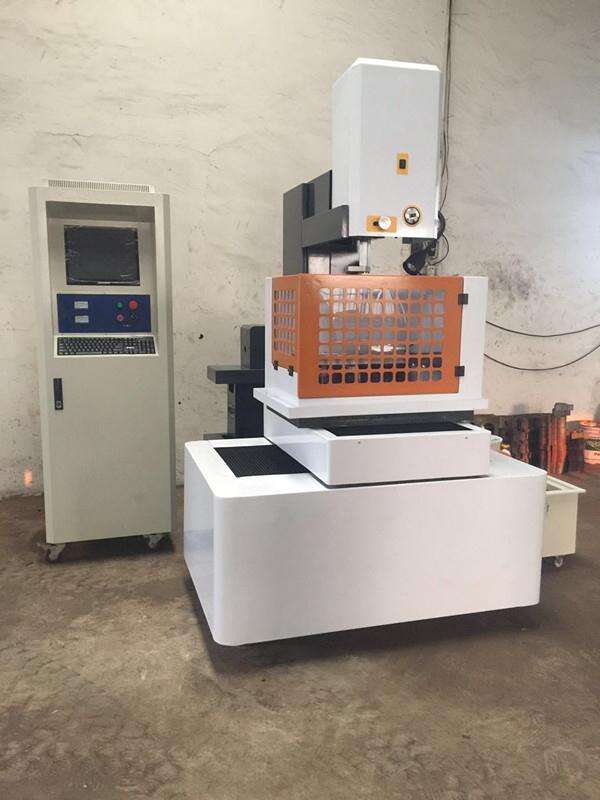
Manufacturing industries worldwide are experiencing a revolutionary transformation through automation technologies, fundamentally changing how wire EDM equipment operates in modern production environments. This technological evolution is reshaping traditional manufacturing processes, enabling unprecedented precision, efficiency, and cost-effectiveness in metalworking applications. Understanding the impact of automation on wire EDM equipment utilization becomes crucial for manufacturers seeking to maintain competitive advantages in today's rapidly evolving industrial landscape.
Automation Integration in Wire EDM Systems
Advanced Control Technologies
Modern wire EDM equipment incorporates sophisticated computer numerical control systems that enable seamless automation integration across multiple manufacturing processes. These advanced control technologies facilitate real-time monitoring, predictive maintenance scheduling, and automated parameter adjustments that optimize cutting performance while minimizing human intervention. The integration of artificial intelligence algorithms enhances decision-making capabilities, allowing wire EDM equipment to adapt to varying material properties and dimensional requirements automatically.
Contemporary automation systems utilize machine learning algorithms to analyze historical performance data and predict optimal cutting parameters for specific applications. This intelligent approach reduces setup times significantly while improving overall machining accuracy and surface finish quality. Wire EDM equipment equipped with these automated control systems can process complex geometries with minimal operator oversight, enabling continuous production runs that maximize equipment utilization rates.
Smart Manufacturing Connectivity
Industry 4.0 principles drive the development of interconnected wire EDM equipment systems that communicate seamlessly with enterprise resource planning platforms and manufacturing execution systems. This connectivity enables real-time production monitoring, automated scheduling optimization, and predictive quality control measures that enhance overall manufacturing efficiency. Smart sensors integrated throughout wire EDM equipment provide continuous feedback regarding machine health, cutting performance, and dimensional accuracy.
The implementation of Internet of Things technologies transforms traditional wire EDM equipment into intelligent manufacturing assets capable of self-diagnosis and autonomous optimization. These connected systems generate valuable data streams that inform strategic decision-making processes regarding production planning, maintenance scheduling, and quality assurance protocols. Manufacturers leveraging smart connectivity in their wire EDM equipment operations experience significant improvements in overall equipment effectiveness and production throughput.
Operational Efficiency Improvements
Reduced Setup and Changeover Times
Automated tool changing systems and programmable fixture configurations dramatically reduce setup times associated with wire EDM equipment operations, enabling rapid transitions between different part geometries and production batches. These efficiency improvements translate directly into increased machine utilization rates and enhanced production flexibility. Automated setup procedures eliminate many manual operations that traditionally consumed significant time and introduced potential human errors.
Advanced automation systems store comprehensive libraries of cutting parameters, fixture configurations, and tooling specifications that can be recalled instantly for recurring production jobs. This capability eliminates repetitive setup procedures and ensures consistent cutting performance across multiple production runs. Wire EDM equipment utilizing automated setup protocols achieves higher overall equipment effectiveness ratings while reducing labor requirements and operational costs.
Enhanced Production Throughput
Continuous operation capabilities enabled by automation technologies allow wire EDM equipment to maintain production schedules throughout extended periods without human intervention. Automated wire threading systems, integrated material handling equipment, and robotic workpiece loading mechanisms eliminate traditional bottlenecks that limited production throughput in manual operations. These technological advances enable wire EDM equipment to achieve significantly higher productivity levels while maintaining exceptional quality standards.
Automated production scheduling algorithms optimize workpiece sequencing to minimize idle time and maximize cutting efficiency across multiple wire EDM equipment installations. This intelligent coordination reduces overall production cycle times while ensuring optimal resource utilization throughout manufacturing facilities. The integration of automated material flow systems further enhances throughput by eliminating manual handling delays and reducing work-in-process inventory levels.
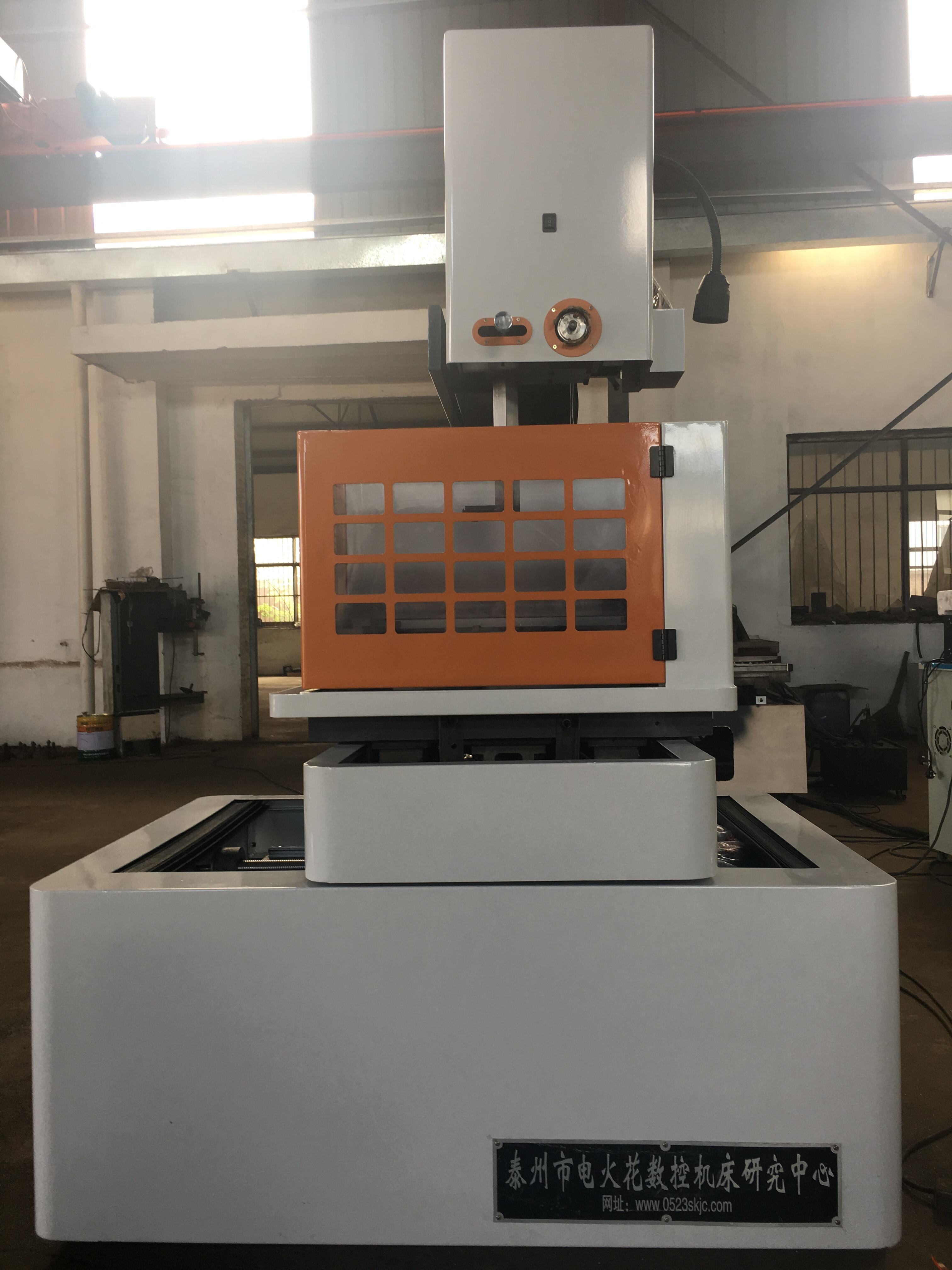
Quality Control and Precision Enhancement
Real-Time Monitoring Systems
Sophisticated sensor networks integrated within automated wire EDM equipment provide continuous monitoring of cutting parameters, dimensional accuracy, and surface quality characteristics throughout machining processes. These monitoring systems detect deviations from specified tolerances instantaneously, enabling immediate corrective actions that prevent defective parts from progressing through production sequences. Real-time quality feedback systems enhance overall process reliability while reducing scrap rates and rework requirements.
Advanced measurement technologies incorporated into automated wire EDM equipment systems enable in-process dimensional verification and automatic compensation for thermal effects, wire wear, and machine deflection factors. This capability ensures consistent part quality across extended production runs while minimizing the need for manual inspection procedures. Automated quality control systems generate comprehensive documentation that supports traceability requirements and quality certification processes.
Adaptive Process Control
Machine learning algorithms enable wire EDM equipment to adapt cutting parameters automatically based on real-time feedback regarding material characteristics, cutting conditions, and dimensional accuracy requirements. This adaptive capability optimizes cutting performance continuously while maintaining strict quality standards throughout production processes. Automated process optimization reduces variability in part dimensions and surface finish quality, enhancing overall product consistency.
Predictive control algorithms analyze cutting force patterns, electrical discharge characteristics, and wire tension variations to anticipate potential quality issues before they affect part characteristics. This proactive approach enables wire EDM equipment to maintain optimal cutting conditions while preventing costly production interruptions. Automated process control systems learn from historical performance data to improve cutting strategies continuously, enhancing overall manufacturing capability.
Economic Impact and Cost Considerations
Labor Optimization and Skill Requirements
Automation integration in wire EDM equipment operations transforms traditional manufacturing roles, shifting emphasis from manual operation to system supervision and optimization activities. This transition requires workforce development initiatives that focus on advanced technical skills related to automation programming, system maintenance, and data analysis capabilities. While automation reduces direct labor requirements, it creates opportunities for higher-skilled positions that add greater value to manufacturing operations.
The implementation of automated wire EDM equipment systems enables manufacturers to optimize labor allocation across multiple production areas while reducing dependency on specialized machining expertise for routine operations. This flexibility enhances operational resilience and enables more efficient resource utilization during varying production demands. Automated systems also reduce the impact of labor shortages on production schedules, providing greater operational stability.
Return on Investment Analysis
Economic benefits associated with automation integration in wire EDM equipment operations include reduced labor costs, improved production efficiency, enhanced quality consistency, and decreased material waste rates. These improvements generate measurable returns on automation investments while enhancing competitive positioning in demanding market segments. Comprehensive financial analysis should consider both direct cost savings and indirect benefits related to improved customer satisfaction and market responsiveness.
Long-term economic advantages of automated wire EDM equipment include reduced maintenance costs through predictive monitoring systems, improved energy efficiency through optimized cutting parameters, and enhanced asset utilization through continuous operation capabilities. These benefits compound over time, providing sustained competitive advantages and improved profitability for manufacturing organizations investing in automation technologies.
Future Trends and Technological Developments
Artificial Intelligence Integration
Emerging artificial intelligence technologies promise to revolutionize wire EDM equipment operations through advanced pattern recognition, predictive analytics, and autonomous decision-making capabilities. These developments will enable wire EDM equipment to optimize cutting strategies automatically based on comprehensive analysis of material properties, part geometry requirements, and production constraints. AI-enhanced systems will continuously improve performance through machine learning algorithms that adapt to changing manufacturing conditions.
Future wire EDM equipment systems will incorporate computer vision technologies that enable automatic workpiece recognition, fixture alignment verification, and real-time quality assessment without human intervention. These capabilities will further enhance automation levels while reducing setup times and improving overall production efficiency. Advanced AI systems will also optimize maintenance scheduling and predict equipment failures before they impact production operations.
Collaborative Robotics Integration
The integration of collaborative robotics with wire EDM equipment systems will enable flexible automation solutions that adapt to varying production requirements while maintaining safety standards for human operators. These systems will provide enhanced material handling capabilities, automated fixture changes, and intelligent workpiece positioning that optimize cutting performance. Collaborative robotics will enable smaller manufacturers to implement automation technologies economically while maintaining production flexibility.
Advanced robotic systems will incorporate force sensing capabilities that enable gentle handling of delicate workpieces and precise positioning requirements associated with high-precision wire EDM equipment operations. These developments will expand automation applications to complex geometries and sensitive materials that previously required manual handling procedures. Collaborative robotics will also enable rapid reconfiguration of production lines to accommodate changing product requirements.
Implementation Strategies and Best Practices
Phased Automation Approach
Successful automation implementation in wire EDM equipment operations typically follows a phased approach that begins with basic automation features and progressively incorporates more advanced capabilities as operators gain experience and confidence with new technologies. This gradual implementation strategy minimizes disruption to existing production schedules while allowing workforce development activities to proceed in parallel with technology deployment. Phased approaches also enable organizations to validate automation benefits before committing to comprehensive system upgrades.
Initial automation phases often focus on basic parameter control, automated wire threading, and simple material handling functions that provide immediate productivity improvements. Subsequent phases incorporate advanced monitoring systems, predictive maintenance capabilities, and intelligent process optimization features that maximize long-term benefits. This systematic approach ensures successful technology adoption while maintaining production continuity throughout implementation periods.
Training and Change Management
Effective automation implementation requires comprehensive training programs that prepare operators and maintenance personnel for new responsibilities associated with automated wire EDM equipment systems. These programs should address technical aspects of automation technology, troubleshooting procedures, and optimization strategies that maximize system performance. Change management initiatives should emphasize the benefits of automation while addressing concerns regarding job security and role modifications.
Successful automation projects incorporate continuous learning programs that keep personnel updated regarding new features, best practices, and emerging technologies relevant to wire EDM equipment operations. This ongoing education ensures organizations can fully utilize automation capabilities while maintaining high performance standards. Training programs should also address safety procedures specific to automated systems and emergency response protocols.
FAQ
What are the primary benefits of automating wire EDM equipment operations
Automating wire EDM equipment operations provides numerous benefits including increased production throughput, improved dimensional accuracy, reduced labor costs, enhanced process consistency, and minimized material waste. Automated systems enable continuous operation capabilities, predictive maintenance scheduling, and real-time quality monitoring that significantly improve overall equipment effectiveness. These advantages translate into enhanced competitive positioning and improved profitability for manufacturing organizations implementing automation technologies in their wire EDM equipment operations.
How does automation affect the skill requirements for wire EDM equipment operators
Automation transforms traditional operator roles from manual machine operation to system supervision, programming, and optimization activities that require advanced technical skills. Operators must develop competencies in automation programming, data analysis, troubleshooting complex systems, and understanding interconnected manufacturing processes. While automation reduces routine manual tasks, it creates opportunities for higher-value positions that contribute more significantly to overall manufacturing success and require continuous learning to keep pace with technological developments.
What factors should be considered when evaluating automation investments for wire EDM equipment
Key factors for evaluating automation investments include current production volumes, part complexity requirements, quality standards, available floor space, workforce capabilities, and long-term business objectives. Financial considerations should encompass equipment costs, installation expenses, training requirements, maintenance costs, and expected productivity improvements. Organizations should also evaluate supplier support capabilities, system scalability, integration requirements with existing equipment, and potential for future technology upgrades when making automation investment decisions.
How can manufacturers ensure successful automation implementation in wire EDM equipment operations
Successful automation implementation requires careful planning, phased deployment strategies, comprehensive training programs, and ongoing support from automation suppliers. Manufacturers should begin with pilot projects that demonstrate automation benefits while developing internal expertise and confidence with new technologies. Clear communication regarding automation goals, realistic timeline expectations, and adequate resource allocation are essential for successful implementation. Regular performance monitoring, continuous improvement initiatives, and maintaining strong relationships with technology suppliers contribute to long-term automation success in wire EDM equipment operations.
Table of Contents
- Automation Integration in Wire EDM Systems
- Operational Efficiency Improvements
- Quality Control and Precision Enhancement
- Economic Impact and Cost Considerations
- Future Trends and Technological Developments
- Implementation Strategies and Best Practices
-
FAQ
- What are the primary benefits of automating wire EDM equipment operations
- How does automation affect the skill requirements for wire EDM equipment operators
- What factors should be considered when evaluating automation investments for wire EDM equipment
- How can manufacturers ensure successful automation implementation in wire EDM equipment operations