EN
EN



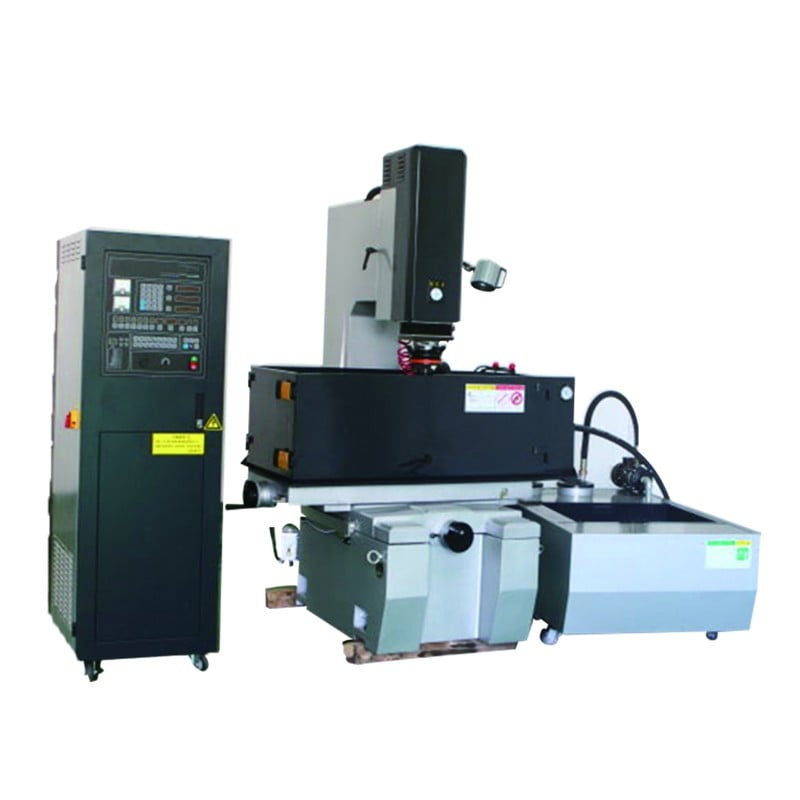
Electrical discharge machining has revolutionized precision manufacturing across numerous industries, offering unparalleled capabilities for creating complex geometries and intricate components. This advanced manufacturing process utilizes controlled electrical sparks to remove material from conductive workpieces, enabling manufacturers to achieve tolerances and surface finishes that would be impossible with conventional machining methods. The technology has become indispensable in aerospace, automotive, medical device manufacturing, and toolmaking industries where precision and reliability are paramount.
Modern manufacturing demands have pushed the boundaries of what traditional machining can accomplish, leading to increased adoption of electrical discharge machining systems worldwide. The process offers unique advantages that complement conventional manufacturing techniques, particularly when working with hardened materials, complex internal cavities, or components requiring exceptional dimensional accuracy. Understanding the comprehensive benefits of this technology enables manufacturers to make informed decisions about integrating EDM systems into their production workflows.
Precision and Accuracy Advantages
Exceptional Dimensional Tolerance Control
Electrical discharge machining delivers dimensional accuracies within ±0.0001 inches consistently across production runs, making it ideal for critical aerospace components and precision tooling applications. The process maintains these tight tolerances regardless of material hardness, as the cutting force is essentially zero during material removal. This absence of mechanical cutting forces eliminates workpiece distortion and tool deflection, common issues in conventional machining that compromise dimensional accuracy.
The controlled spark erosion process allows manufacturers to achieve repeatable results with complex three-dimensional geometries that would be challenging or impossible to machine using traditional methods. Advanced CNC controls integrated with modern EDM systems provide automated compensation for electrode wear and thermal effects, ensuring consistent dimensional accuracy throughout extended production runs. This level of precision control makes electrical discharge machining essential for manufacturing high-value components where dimensional variations can result in significant performance degradation or safety concerns.
Superior Surface Finish Quality
The spark erosion process inherent in electrical discharge machining produces exceptionally smooth surface finishes ranging from 32 to 4 microinches Ra depending on machining parameters and electrode selection. Unlike conventional machining that can leave tool marks and directional patterns, EDM creates a unique recast layer with uniform texture characteristics across the entire machined surface. This surface quality eliminates the need for secondary finishing operations in many applications, reducing overall production time and costs.
Advanced pulse generators in modern EDM systems enable precise control over discharge energy and frequency, allowing operators to optimize surface finish characteristics for specific applications. The ability to achieve mirror-like finishes directly from the machining process proves particularly valuable in optical component manufacturing, injection mold cavities, and decorative applications where surface appearance directly impacts product quality and customer satisfaction.
Material Versatility Benefits
Hard Material Machining Capabilities
One of the most significant advantages of electrical discharge machining lies in its ability to machine materials regardless of hardness, including fully hardened tool steels, carbides, and exotic superalloys. Traditional machining becomes increasingly difficult and economically unfeasible as material hardness exceeds HRC 45, often requiring multiple heat treatment cycles and extensive tool changes. EDM eliminates these constraints by utilizing electrical energy rather than mechanical force for material removal.
The process proves particularly valuable for machining pre-hardened components, eliminating distortion risks associated with post-machining heat treatment cycles. Manufacturers can complete final machining operations on components after hardening, ensuring optimal material properties while maintaining precise dimensional characteristics. This capability has revolutionized toolmaking processes, enabling the production of complex injection mold cavities and stamping dies with intricate cooling channels and conformal surfaces.
Conductive Material Processing Range
Electrical discharge machining accommodates an extensive range of electrically conductive materials, including titanium alloys, Inconel, Hastelloy, and advanced ceramic composites. The process works effectively with materials that present significant challenges for conventional machining due to their abrasive nature, chemical reactivity, or tendency to work-harden during cutting operations. This versatility enables manufacturers to select optimal materials based on performance requirements rather than machinability constraints.
Modern electrical discharge machining systems incorporate advanced dielectric filtration and temperature control systems that optimize processing conditions for different material types. These technological improvements ensure consistent results across diverse material combinations while minimizing electrode consumption and maximizing cutting efficiency. The ability to process exotic materials with precision has opened new possibilities in aerospace, medical implant manufacturing, and advanced automotive applications.
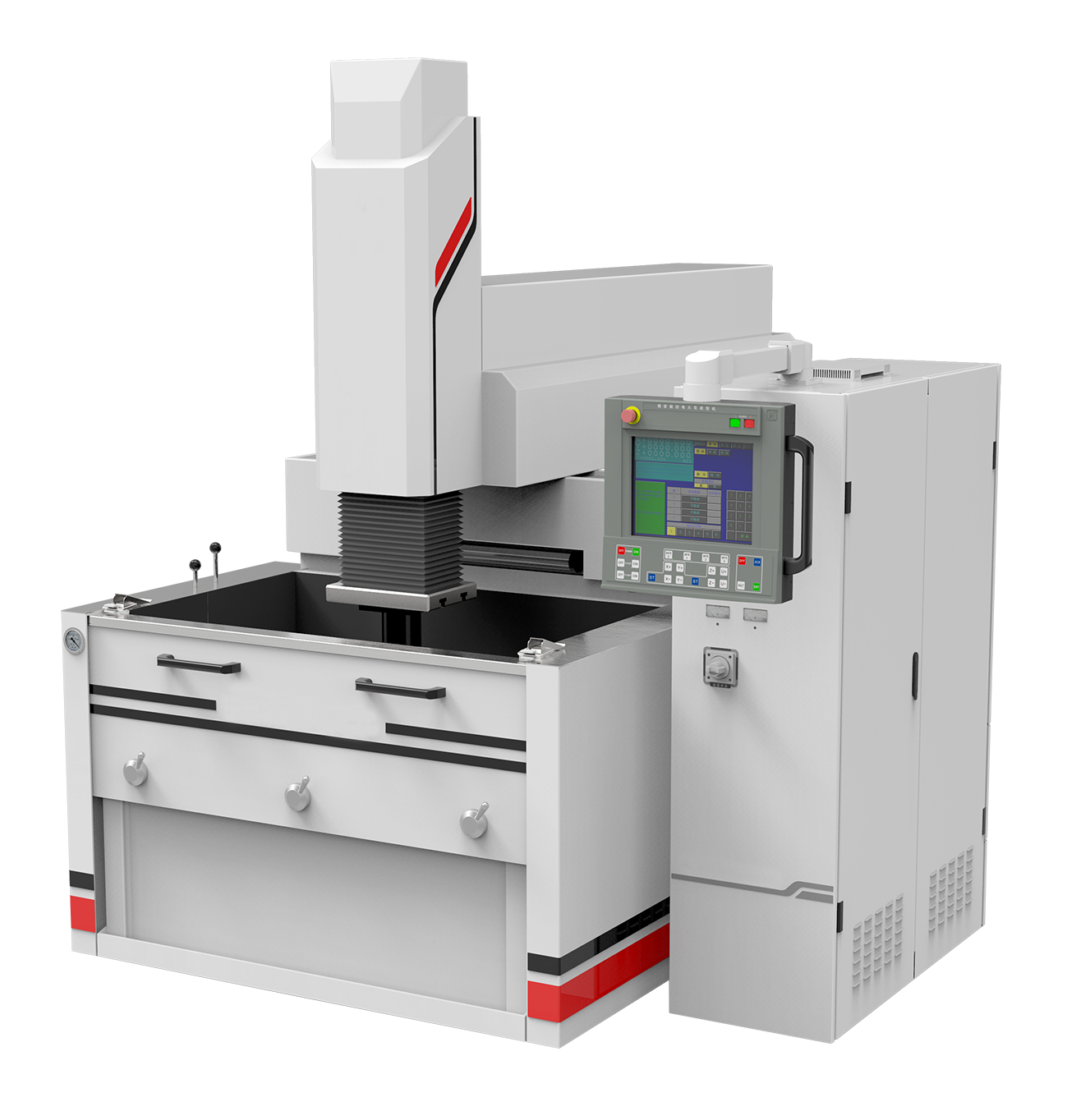
Complex Geometry Manufacturing
Intricate Internal Cavity Creation
Electrical discharge machining excels at creating complex internal cavities, undercuts, and geometries that would be impossible to produce using conventional machining methods. The process can machine internal corners with sharp radii, deep narrow slots, and intricate three-dimensional cavities without requiring specialized tooling or complex workholding fixtures. This capability proves essential for manufacturing injection mold cavities, aerospace components with internal cooling passages, and medical devices with complex internal features.
The ability to machine through small access holes while creating large internal volumes demonstrates the unique advantages of electrical discharge machining over traditional manufacturing processes. Advanced electrode design techniques, including segmented and orbiting electrode strategies, enable the creation of complex internal geometries while maintaining dimensional accuracy and surface finish requirements. This manufacturing flexibility has enabled design engineers to optimize component performance without being constrained by traditional manufacturing limitations.
Thin Wall and Delicate Feature Machining
The zero cutting force characteristic of electrical discharge machining makes it ideal for machining thin walls, delicate features, and fragile components that would be damaged by mechanical cutting forces. Traditional machining often causes thin sections to deflect or vibrate during cutting, resulting in dimensional inaccuracies and potential component damage. EDM eliminates these concerns by removing material through controlled electrical erosion rather than mechanical force.
This capability enables the production of components with wall thicknesses as thin as 0.005 inches while maintaining dimensional accuracy and surface finish requirements. The process proves particularly valuable in electronics manufacturing, where precise cavities and thin-walled housings are essential for optimal performance. Advanced process monitoring systems in modern EDM equipment detect and prevent conditions that could damage delicate features, ensuring consistent results in high-precision applications.
Production Efficiency and Cost Benefits
Reduced Tool Wear and Replacement Costs
Electrical discharge machining significantly reduces tool wear concerns compared to conventional machining, as electrodes experience controlled consumption rather than catastrophic failure modes common with mechanical cutting tools. Electrode wear occurs predictably and can be compensated automatically through advanced CNC programming, eliminating unexpected tool failures that disrupt production schedules and compromise component quality.
Modern EDM systems incorporate electrode wear compensation algorithms that maintain dimensional accuracy throughout the electrode life cycle, maximizing utilization efficiency and reducing material costs. The ability to manufacture electrodes from readily available materials, including graphite and copper, provides cost advantages over specialized cutting tools required for machining hard materials. This economic benefit becomes particularly significant in low-volume, high-precision manufacturing applications where tool costs can represent a substantial portion of total production expenses.
Unattended Operation Capabilities
Advanced electrical discharge machining systems offer extensive unattended operation capabilities through integrated process monitoring and adaptive control systems. These technologies enable continuous operation during off-shifts and weekends, maximizing equipment utilization and reducing per-part production costs. Automated electrode changing systems and dielectric maintenance functions further extend unattended operation periods.
Intelligent process monitoring systems detect abnormal conditions and implement corrective actions automatically, preventing component damage and maintaining consistent quality standards. Remote monitoring capabilities enable operators to supervise multiple machines from centralized locations, improving overall production efficiency while reducing labor requirements. These automation features have made electrical discharge machining increasingly attractive for manufacturers seeking to optimize production costs while maintaining quality standards.
Quality and Repeatability Assurance
Consistent Process Control
Electrical discharge machining provides exceptional process repeatability through precise control of electrical parameters, electrode positioning, and dielectric conditions. Modern EDM systems incorporate advanced sensors and feedback loops that maintain optimal cutting conditions throughout the machining cycle, ensuring consistent results across production batches. This level of process control proves essential for manufacturers operating under strict quality management systems.
Statistical process control integration enables real-time monitoring of critical quality parameters, with automatic adjustments to maintain process stability. Data logging and traceability features provide comprehensive documentation of machining parameters for each component, supporting quality audits and continuous improvement initiatives. This systematic approach to process control has made electrical discharge machining a preferred manufacturing method for regulated industries including aerospace, medical devices, and nuclear applications.
Minimal Heat Affected Zone
The controlled thermal process in electrical discharge machining creates a minimal heat affected zone compared to other thermal cutting processes, preserving base material properties in the bulk component. The localized heating and rapid cooling characteristic of the EDM process limits metallurgical changes to a thin recast layer on the machined surface. This thermal control proves critical when machining heat-sensitive materials or components requiring specific metallurgical properties.
Advanced pulse generator technology enables precise control over discharge energy and duration, minimizing thermal effects while maintaining productive cutting rates. Process optimization techniques, including adaptive control and real-time thermal monitoring, further reduce heat affected zone dimensions while maximizing material removal rates. This thermal management capability ensures that electrical discharge machining can meet stringent material property requirements in critical applications.
Frequently Asked Questions
What materials can be processed using electrical discharge machining?
Electrical discharge machining can process any electrically conductive material regardless of hardness, including hardened tool steels, carbides, titanium alloys, Inconel, Hastelloy, and conductive ceramics. The process works effectively with materials that are difficult or impossible to machine conventionally due to hardness, abrasiveness, or chemical properties. Material selection is based on conductivity rather than machinability, providing greater design flexibility for engineers selecting optimal materials based on performance requirements.
How does electrical discharge machining compare to conventional machining in terms of accuracy?
Electrical discharge machining typically achieves dimensional accuracies within ±0.0001 inches, often superior to conventional machining methods, particularly when working with hard materials or complex geometries. The absence of cutting forces eliminates workpiece distortion and tool deflection issues common in mechanical machining. EDM maintains consistent accuracy regardless of material hardness and can achieve these tolerances on internal features and complex three-dimensional geometries that would be challenging for conventional methods.
What are the typical surface finish results from electrical discharge machining?
Surface finish quality from electrical discharge machining ranges from 32 to 4 microinches Ra depending on machining parameters and electrode selection. The process produces uniform texture characteristics across machined surfaces without directional tool marks common in conventional machining. Advanced pulse control technology enables optimization of surface finish for specific applications, often eliminating the need for secondary finishing operations and reducing overall production time and costs.
Can electrical discharge machining operate unattended for extended periods?
Modern electrical discharge machining systems offer extensive unattended operation capabilities through integrated process monitoring, adaptive control systems, and automated electrode changing. These features enable continuous operation during off-shifts and weekends while maintaining quality standards through intelligent process monitoring and automatic corrective actions. Remote monitoring capabilities allow supervision of multiple machines from centralized locations, maximizing equipment utilization and reducing labor requirements while ensuring consistent production quality.
Table of Contents
- Precision and Accuracy Advantages
- Material Versatility Benefits
- Complex Geometry Manufacturing
- Production Efficiency and Cost Benefits
- Quality and Repeatability Assurance
-
Frequently Asked Questions
- What materials can be processed using electrical discharge machining?
- How does electrical discharge machining compare to conventional machining in terms of accuracy?
- What are the typical surface finish results from electrical discharge machining?
- Can electrical discharge machining operate unattended for extended periods?