EN
EN



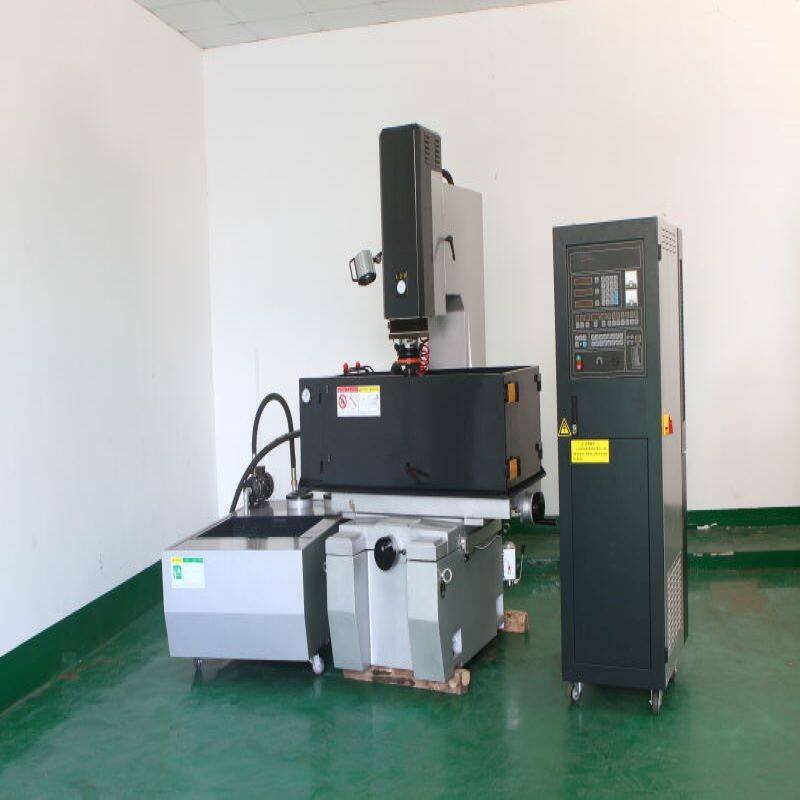
Electric discharge machining stands as one of the most versatile and precise manufacturing processes in modern industrial production, offering capabilities that traditional cutting methods cannot achieve. This non-traditional machining technique uses controlled electrical sparks to remove material from conductive workpieces, creating complex geometries, intricate cavities, and extremely fine details with exceptional accuracy. Understanding what electric discharge machining is used for helps manufacturers, engineers, and procurement professionals identify opportunities where this technology delivers superior results compared to conventional machining approaches. From aerospace components to medical devices, from automotive tooling to electronics manufacturing, the applications of this technology span virtually every advanced manufacturing sector.
The fundamental principle behind electric discharge machining involves creating a series of rapid electrical discharges between an electrode tool and the workpiece, both submerged in a dielectric fluid that controls the spark path and flushes away eroded particles. This process enables manufacturers to machine hardened materials, produce mirror-finish surfaces, and create features impossible to achieve through conventional milling, turning, or grinding operations. The technology finds particular value in situations requiring extreme precision, working with difficult-to-machine materials, or producing complex internal geometries that other processes cannot access. As manufacturing requirements become increasingly demanding across industries, the strategic applications of electric discharge machining continue to expand, making it an essential capability for competitive production facilities worldwide.
Primary Industrial Applications of Electric Discharge Machining
Tool and Die Manufacturing Operations
The tool and die industry represents one of the largest application sectors for electric discharge machining technology, where it serves as an indispensable method for creating precision molds, dies, and forming tools. Manufacturing facilities use electric discharge machining to produce injection mold cavities with complex surface contours, sharp internal corners, and deep recesses that conventional machining cannot reach effectively. The process excels at creating stamping dies for automotive body panels, progressive dies for metal forming operations, and extrusion dies for plastic and metal components. Because the electrode never physically contacts the workpiece during the erosion process, electric discharge machining eliminates mechanical stresses that could deform thin-walled die sections or delicate mold features.
Die makers particularly value electric discharge machining for finishing operations on hardened tool steels after heat treatment, eliminating the need for difficult grinding operations or the risk of thermal distortion from subsequent hardening processes. The technology enables direct machining of through-hardened materials at full hardness levels, producing dimensionally stable tooling that maintains tight tolerances throughout extended production runs. Complex cooling channel geometries, intricate texture patterns, and precise parting line details all become achievable through strategic application of electric discharge machining in tool and die production environments.
Aerospace Component Manufacturing
Aerospace manufacturing relies extensively on electric discharge machining for producing critical turbine engine components, structural parts, and specialized hardware that demand exceptional precision and material integrity. Turbine blade cooling holes represent a classic application where electric discharge machining creates hundreds of precisely angled micro-holes through nickel-based superalloys and other high-temperature materials that resist conventional drilling. These cooling passages follow complex three-dimensional paths through blade airfoils, requiring the non-contact nature and controlled material removal that electric discharge machining provides without inducing mechanical stress or thermal damage to surrounding material.
Aircraft structural components often incorporate electric discharge machining for creating weight-reduction pockets, inspection access openings, and assembly features in titanium alloys and hardened steel parts. The process machines these difficult materials without tool wear concerns, maintaining consistent dimensional accuracy across production quantities. Landing gear components, hydraulic system housings, and engine mount fittings frequently require electric discharge machining for producing deep slots, narrow keyways, and complex internal profiles that support critical aerospace functions while meeting stringent quality and traceability requirements.
Medical Device and Surgical Instrument Production
The medical device industry employs electric discharge machining extensively for manufacturing surgical instruments, orthopedic implants, and diagnostic equipment components that require biocompatible materials, exceptional surface quality, and microscopic feature precision. Surgical cutting instruments benefit from electric discharge machining's ability to create extremely sharp edges, complex blade geometries, and intricate serrations in stainless steel and titanium alloys without mechanical deformation. The process produces burr-free edges and stress-free surfaces that minimize post-machining finishing requirements while ensuring optimal instrument performance during medical procedures.
Orthopedic implant manufacturing utilizes electric discharge machining for creating porous surface structures that promote bone integration, precision alignment features for modular implant systems, and custom geometries for patient-specific devices. The technology's capability to machine fully hardened materials proves essential for producing long-lasting joint replacement components, spinal fixation hardware, and trauma repair devices that must withstand demanding biomechanical loading conditions. Dental instrument production similarly relies on electric discharge machining for creating fine details, precise angles, and consistent dimensions in hardened tool materials that maintain sharpness throughout extensive clinical use.
Specialized Manufacturing Applications
Electronics and Semiconductor Industry Uses
Electronics manufacturing leverages electric discharge machining for producing connector molds, semiconductor packaging tooling, and precision fixtures that support high-volume production of consumer electronics, communications equipment, and computing devices. The technology creates micro-cavity molds for miniature connectors, enabling consistent production of components with features measured in fractions of a millimeter. Lead frame dies for integrated circuit packaging represent another critical application where electric discharge machining produces the intricate cutting and forming profiles required for reliable semiconductor assembly processes.
Printed circuit board manufacturing employs electric discharge machining for drilling micro-vias in multilayer boards, creating precise alignment holes, and producing specialized tooling for board fabrication equipment. The process handles the abrasive nature of composite PCB materials while maintaining dimensional accuracy across thousands of holes per board. Test fixture manufacturing for electronics quality control similarly depends on electric discharge machining for creating precise probe positioning features, contact alignment surfaces, and mounting interfaces that ensure reliable electrical testing throughout production verification processes.
Automotive Manufacturing and Racing Applications
Automotive production facilities utilize electric discharge machining throughout powertrain manufacturing, body panel forming, and precision component fabrication processes that define modern vehicle quality and performance standards. Fuel injection system components require electric discharge machining for creating precisely sized and positioned spray holes in hardened nozzle tips, ensuring optimal fuel atomization and combustion efficiency. These micro-holes must maintain exact dimensional specifications to meet emissions regulations and fuel economy targets, making the accuracy and repeatability of electric discharge machining essential for high-volume injector production.
Transmission component manufacturing employs electric discharge machining for producing gear cutting tools, forming dies for clutch plates, and precision fixtures for assembly operations. The technology enables cost-effective production of complex tooling geometries that support efficient manufacturing of transmission internal components. Racing engine development particularly benefits from electric discharge machining's capability to create experimental cooling passages, lightweight structural modifications, and custom component features that push performance boundaries while maintaining structural integrity under extreme operating conditions.
Energy Sector and Power Generation Equipment
Power generation equipment manufacturing relies on electric discharge machining for producing turbine components, generator parts, and specialized tooling that withstand demanding operational environments in conventional and renewable energy systems. Steam and gas turbine blade manufacturing utilizes electric discharge machining for creating intricate cooling channel networks, precise attachment features, and aerodynamic surface details in superalloy materials that resist conventional machining approaches. The process maintains material properties throughout the machining operation, preserving the metallurgical characteristics essential for reliable turbine performance at elevated temperatures and rotational speeds.
Oil and gas industry applications include electric discharge machining for producing downhole tool components, valve internals, and drilling equipment parts that must function reliably in corrosive, high-pressure environments. The technology machines hardened steel components for blowout preventers, precision sealing surfaces for subsea valves, and wear-resistant features for drilling bits and stabilizers. Nuclear power equipment manufacturing similarly employs electric discharge machining for creating fuel assembly components, control rod mechanism parts, and reactor vessel internals that require exceptional dimensional accuracy and material traceability throughout the production process.
Technical Capabilities and Material Applications
Machining Hardened and Exotic Materials
One of the most significant advantages driving electric discharge machining adoption involves its unique capability to machine fully hardened materials without regard to material hardness levels that challenge or prevent conventional cutting operations. The thermal erosion process removes material through localized melting and vaporization, making hardness irrelevant to the machining operation. This characteristic enables manufacturers to machine components after heat treatment, eliminating dimensional distortion risks associated with post-machining hardening processes while ensuring optimal material properties throughout the finished part.
Exotic material applications include machining tungsten carbide cutting tools, polycrystalline diamond inserts, and ceramic components that exceed the capabilities of traditional machining methods. Electric discharge machining processes these materials with controlled wear rates and predictable removal rates, producing complex geometries in materials valued for extreme hardness, wear resistance, and temperature stability. Superalloy machining for aerospace and power generation applications similarly benefits from electric discharge machining's material-independent removal mechanism, enabling efficient production of nickel-based, cobalt-based, and titanium components without the tool wear and thermal damage concerns associated with conventional machining approaches.
Precision Micromachining and Miniature Features
Electric discharge machining excels at producing microscopic features, miniature components, and extremely fine details that approach the limits of mechanical manufacturing precision. Micro-hole drilling applications create openings as small as a few micrometers in diameter through materials of virtually any hardness, supporting applications in fuel injection, fiber optics, medical devices, and scientific instrumentation. The process maintains consistent hole geometry, precise entrance and exit characteristics, and minimal heat-affected zones that preserve surrounding material properties.
Miniature component manufacturing employs electric discharge machining for producing watch parts, micro-molds, scientific instrument components, and specialty fasteners that require dimensional accuracy measured in micrometers. The technology creates intricate surface textures, fine-pitch threading, and delicate structural features without mechanical loading that could deform or damage small, fragile workpieces. Wire electric discharge machining variants particularly support micro-manufacturing applications by cutting intricate two-dimensional profiles, producing delicate structural webs, and creating complex internal openings in miniature assemblies across diverse industrial sectors.
Complex Geometry and Internal Feature Production
The electrode-based nature of electric discharge machining enables creation of internal cavities, blind holes, and complex three-dimensional forms that conventional machining cannot access or produce efficiently. Deep-cavity mold production represents a prime example where electric discharge machining creates detailed surface features at the bottom of narrow cavities far beyond the reach of conventional cutting tools. The process produces sharp internal corners with minimal radii, vertical walls without draft angles, and intricate surface details that replicate electrode geometry with exceptional fidelity.
Internal spline cutting, keyway production, and specialty slot machining all benefit from electric discharge machining's ability to create features in locations inaccessible to rotating cutting tools. The technology produces square holes, rectangular cavities, and custom cross-sectional profiles by using shaped electrodes that mirror the desired feature geometry. This capability proves particularly valuable in repair operations where broken taps or drills must be removed from threaded holes, allowing electric discharge machining to erode the broken tool material without damaging the surrounding workpiece threads or precision surfaces.
Strategic Manufacturing Advantages
Eliminating Mechanical Stress and Tool Wear
The non-contact nature of electric discharge machining provides fundamental advantages for applications where mechanical cutting forces would cause problems, including machining thin-walled sections, delicate features, and stress-sensitive materials. Because the electrode never touches the workpiece during material removal, electric discharge machining eliminates deflection, vibration, and mechanical loading that compromise dimensional accuracy in conventional machining of flexible components. Thin ribs, delicate webs, and fragile structures maintain dimensional stability throughout the electric discharge machining process, enabling production of lightweight, high-performance designs that maximize strength-to-weight ratios.
Tool wear independence represents another strategic advantage where electric discharge machining maintains consistent dimensional accuracy regardless of workpiece hardness or abrasiveness. Conventional cutting tools experience progressive wear that affects dimensional accuracy, surface finish, and production consistency, requiring frequent tool changes and process adjustments. Electric discharge machining electrodes experience controlled, predictable wear that can be compensated automatically through modern control systems, ensuring consistent part quality throughout extended production runs. This characteristic proves particularly valuable for machining abrasive materials, hardened components, and applications requiring exceptional dimensional repeatability across production quantities.
Achieving Superior Surface Finish and Detail Reproduction
Electric discharge machining capabilities extend to producing mirror-finish surfaces, fine texture patterns, and precise surface characteristics that support both functional and aesthetic requirements across diverse manufacturing applications. Finishing operations using fine-grain electrodes and optimized electrical parameters achieve surface roughness values comparable to precision grinding while maintaining the geometric accuracy and detail reproduction advantages inherent to the electric discharge machining process. Mold cavity surfaces benefit from this capability by eliminating hand polishing operations, reducing production time, and ensuring consistent surface quality across multiple mold cavities.
Detail reproduction accuracy in electric discharge machining enables direct transfer of electrode surface features to workpiece surfaces, supporting applications requiring fine texturing, micro-engraving, and precision surface patterns. Logos, identification marks, and functional surface features can be incorporated into components during primary machining operations rather than requiring secondary marking or finishing processes. This capability supports both manufacturing efficiency and product quality objectives while enabling design features that enhance component functionality, assembly characteristics, or aesthetic appearance according to specific application requirements.
Supporting Advanced Manufacturing and Industry Transformation
Modern electric discharge machining systems integrate with digital manufacturing workflows, supporting automated production, quality verification, and process optimization strategies that define competitive manufacturing operations. Computer numerical control systems enable complex multi-axis electrode positioning, automatic tool changing, and adaptive process control that maximize productivity while maintaining precision requirements. Integration with computer-aided design and manufacturing systems allows direct translation of digital component models into electric discharge machining programs, reducing programming time and enabling rapid response to design changes or custom component requirements.
Additive manufacturing integration represents an emerging application area where electric discharge machining provides finishing, feature addition, and precision machining capabilities for components produced through metal 3D printing processes. The technology removes support structures, creates precision mounting features, and produces final surface finishes on additively manufactured parts without the tool access limitations that challenge conventional machining of complex additively manufactured geometries. This hybrid manufacturing approach combines the geometric freedom of additive processes with the precision and surface quality capabilities of electric discharge machining, enabling production strategies that leverage the complementary strengths of both technologies.
FAQ
What materials can be processed using electric discharge machining?
Electric discharge machining works effectively on any electrically conductive material regardless of hardness, including tool steels, stainless steels, titanium alloys, aluminum, copper, brass, tungsten carbide, superalloys, and even conductive ceramics. The process does not machine non-conductive materials like plastics, pure ceramics, or glass unless special conductive coatings are applied. Material hardness does not affect the machining process since removal occurs through thermal erosion rather than mechanical cutting, making electric discharge machining ideal for fully hardened components and exotic high-strength alloys that challenge conventional machining methods.
How does electric discharge machining compare to conventional machining in terms of production speed?
Electric discharge machining typically operates at slower material removal rates compared to conventional milling or turning operations, making it most economical for applications where its unique capabilities provide advantages that conventional processes cannot match. The technology excels in situations requiring extreme precision, complex geometries, hardened materials, or delicate features where conventional machining would be difficult or impossible. For high-volume production of simple geometries in softer materials, conventional machining usually offers better productivity. However, for tool and die applications, aerospace components, and precision parts requiring the specific capabilities of electric discharge machining, the process often reduces total manufacturing time by eliminating secondary operations, finishing steps, or complex fixturing requirements.
What determines the surface finish quality in electric discharge machining operations?
Surface finish in electric discharge machining depends primarily on the electrical parameters used during the process, including discharge current, pulse duration, and voltage settings. Roughing operations using high energy settings remove material quickly but produce rougher surfaces with larger crater patterns, while finishing operations using low energy settings create fine, smooth surfaces approaching mirror finish quality. Electrode material selection, dielectric fluid characteristics, and flushing conditions also influence surface finish results. Modern electric discharge machining systems typically employ multi-stage machining strategies that combine rough, semi-finish, and finish operations to optimize both productivity and surface quality according to specific component requirements.
Can electric discharge machining be used for high-volume production manufacturing?
Electric discharge machining serves effectively in both prototype development and high-volume production environments, with application suitability depending on component complexity, precision requirements, and material characteristics. While generally slower than conventional machining for simple geometries, electric discharge machining proves economical for high-volume production when manufacturing complex molds, precision tooling, or components in difficult materials where its unique capabilities provide competitive advantages. Multiple-electrode systems, automated electrode changing, and unmanned operation capabilities enable efficient high-volume production. Many manufacturers employ electric discharge machining for tool and die production that supports high-volume stamping or molding operations, where the technology's precision and capability advantages justify its use despite slower direct material removal rates compared to conventional processes.
Table of Contents
- Primary Industrial Applications of Electric Discharge Machining
- Specialized Manufacturing Applications
- Technical Capabilities and Material Applications
- Strategic Manufacturing Advantages
-
FAQ
- What materials can be processed using electric discharge machining?
- How does electric discharge machining compare to conventional machining in terms of production speed?
- What determines the surface finish quality in electric discharge machining operations?
- Can electric discharge machining be used for high-volume production manufacturing?