 ×
×
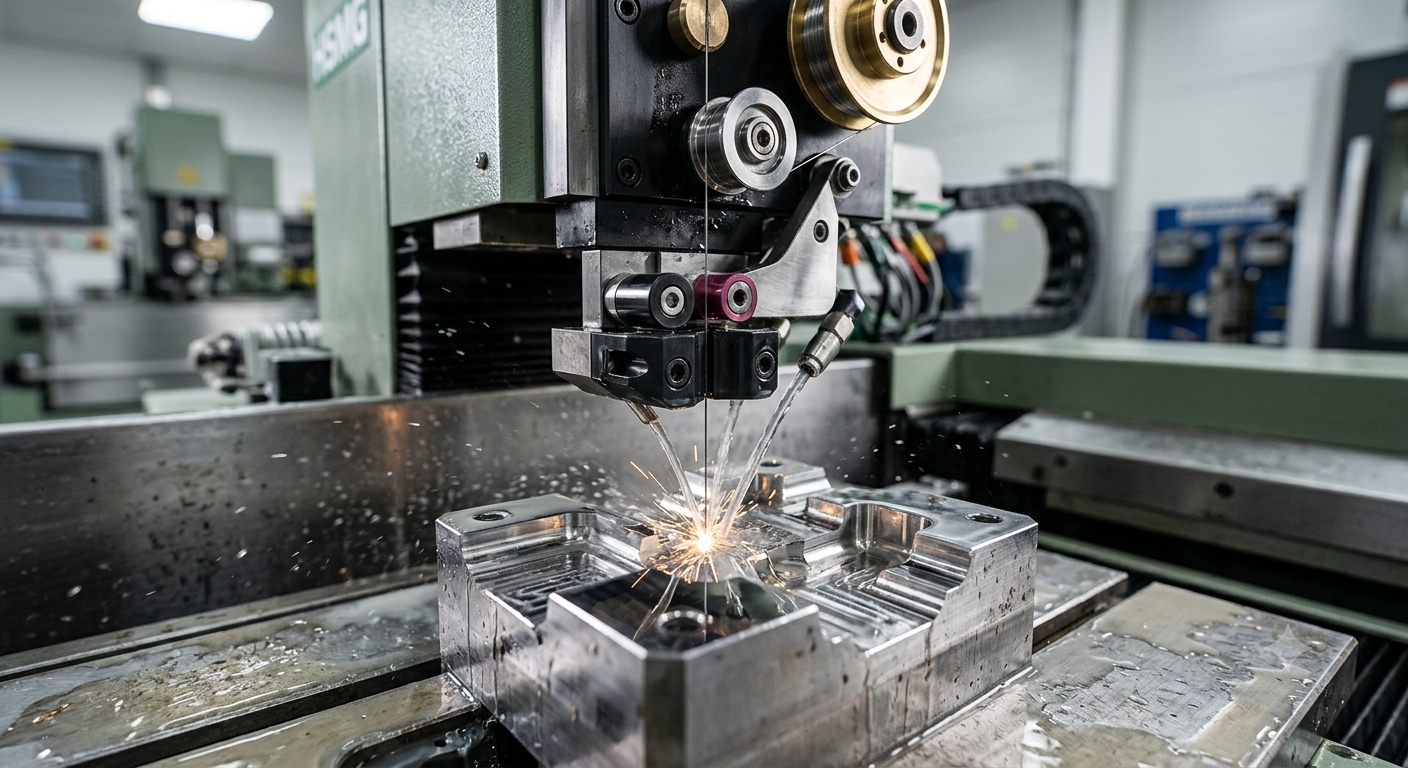
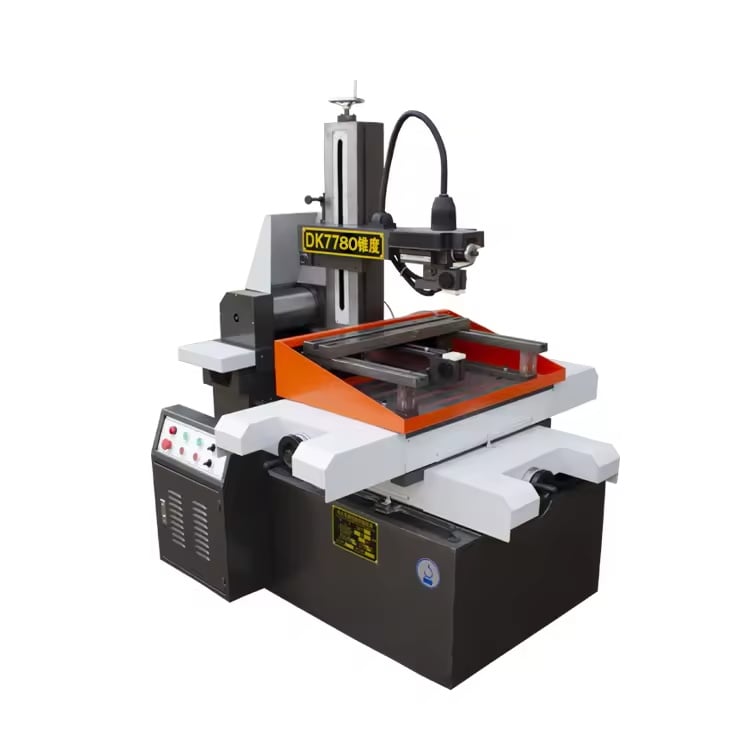
Í sviðum nákvæmrar framleiðslu og vinnslu háþróaðra myndanna eru há nákvæmni og útmerkt stöðugleiki helstu mælistikur fyrir ákvörðun á afköstum tæknisins. Í nýlegu tímaskeiði hefur rannsóknar- og þróunardeild okkar náð miklu framfaraskrefi í stýringartækni fyrir rafmagnsafskilja vinnslu (EDM) – opinbera góðkenningu og útfærslu nýja kynslóðarinnar háfrekvens-rafstraums skiptikerfis með sjálfstæðri stýringu (AAC) og tækni fyrir dynamískt spennukompensun á vinnusnór.
Upphaf þessa kerfis leysir ekki aðeins langvarandi iðjuþröngur eins og „hátt tíðnifylgi í tråðbrunnum“ og „endurhverfingarstrik sem áhrifast yfirborðsgræðu“, heldur táknar það einnig ákveðinn áfangastað í sjálfstæðri rannsókn okkar og þróun hávaxinna CNC-kerfa.
Að leysa vandamál viðskiptavina til að vinna yfir iðjuþröngur á allri íþróttinni
Venjuleg EDM-vél með tráðskerfisvinnslu er oft súrðuð af dreglegu stýrikerfi þegar hún er notað í mjög erfitt starfsstaða—t.d. þykkum hlutum, mjög neikvum sprungum og hraðskerfum—sem leiðir til nokkurra mikilvægra vandamála fyrir framleiðendur:
Til að hjálpa viðskiptavönunum okkar að ná hærri árangri og betri vinnuskyldu setti rannsóknar- og þróunarlið okkar mánaði að vinna að þessum grunnvandamálum. Með því að fullkomlega endurbyggja grundvallarsamskiptaprótokollin, háfrekvenzur pulsaða aflstýringarreiknirit og hreyfistærðauppviðhald komum við fram með þremur mikilvægum tæknilausnum:
Mikilvægar tæknilausnir: Tvöföld uppgráða á heimild og nákvæmni
Verkfræði nýjung til að uppfylla loforð okkar um gildi fyrir viðskiptavini
Tilraunir sýna að þessi nýja vísindalega byggða stillingarkerfi hefur verið vel þróuð og er það dæmi um stefnu okkar „Vísindalegur áhugi sem reynir nýjungar í nákvæmum framleiðsluferlum.“ Það birtist úr tilraunagögnunum að eftir uppgradingu á þetta kerfi hafi framleiðsluþættur tæknisins aukist um 20% í meðaltali og að yfirborðsmyndin hafi verið miklu betri. Þetta sker ekki aðeins niður á tíma sem þarf fyrir handvirkan polishing á eftir en minnkar einnig notkun á efnisbútum mjög mikið.
Í framtíðinni munum við halda áfram að rækta háþróaða nákvæmu framleiðslu, endurskoða áfram afstaða vörurnar og uppfæra reikniritin okkar. Við leggjum áherslu á að veita viðskiptavönunum okkar áhrifamiklar, mjög staðstæðar og snjallar framleiðslulausnir og vinna þannig að við skulum leiða atvinnuna að snjallari og háþróaðari framtíð.
Fyrir frekari tæknilegar upplýsingar, notkunaraðstæður eða lausnir fyrir uppgrading á vörum okkar næstu kynslóðar EDM-stjórnkerfisins, hafðu samband við tæknistuðningsskjá okkar eða hringdu í opinbera þjónustulínuna okkar.
 Heitar fréttir
 2026-08-26
2026-08-19
2026-08-13
2026-07-17

 EN
EN